26. Mar. | News
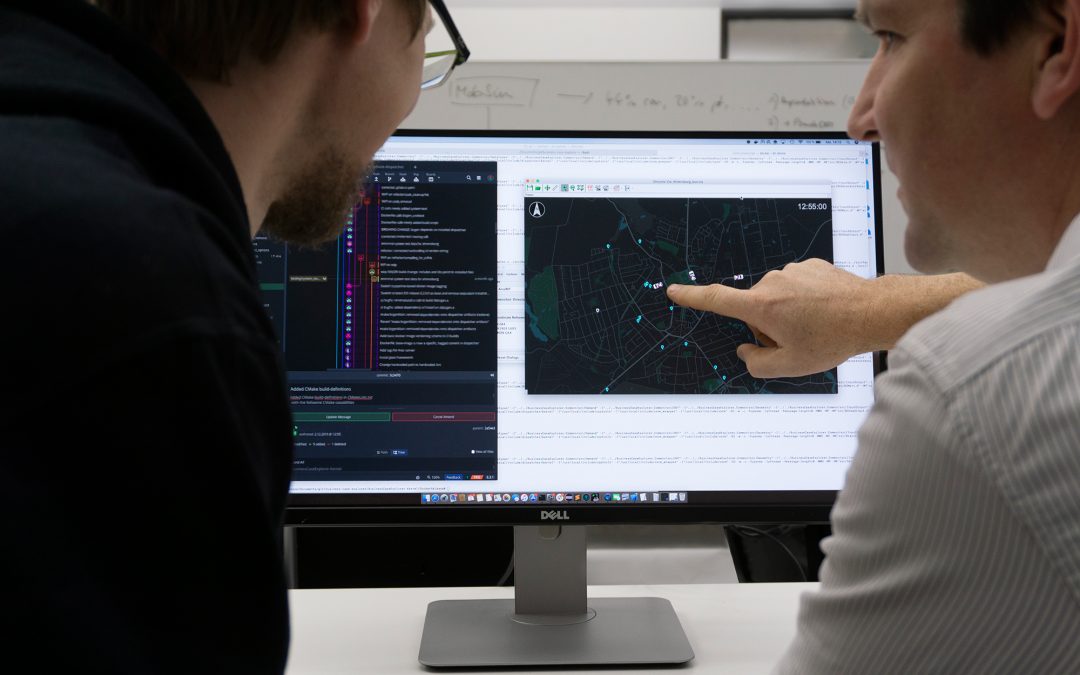
(Hamburg, March 11 2020) Hamburger Hochbahn AG and Deutsche Bahn subsidiary ioki present concept for climate-friendly mobility in Hamburg 2030 • Experts: Demand-responsive transport (DRT) offers significantly reduce the use of private cars
26. Mar. | Mobility Insights
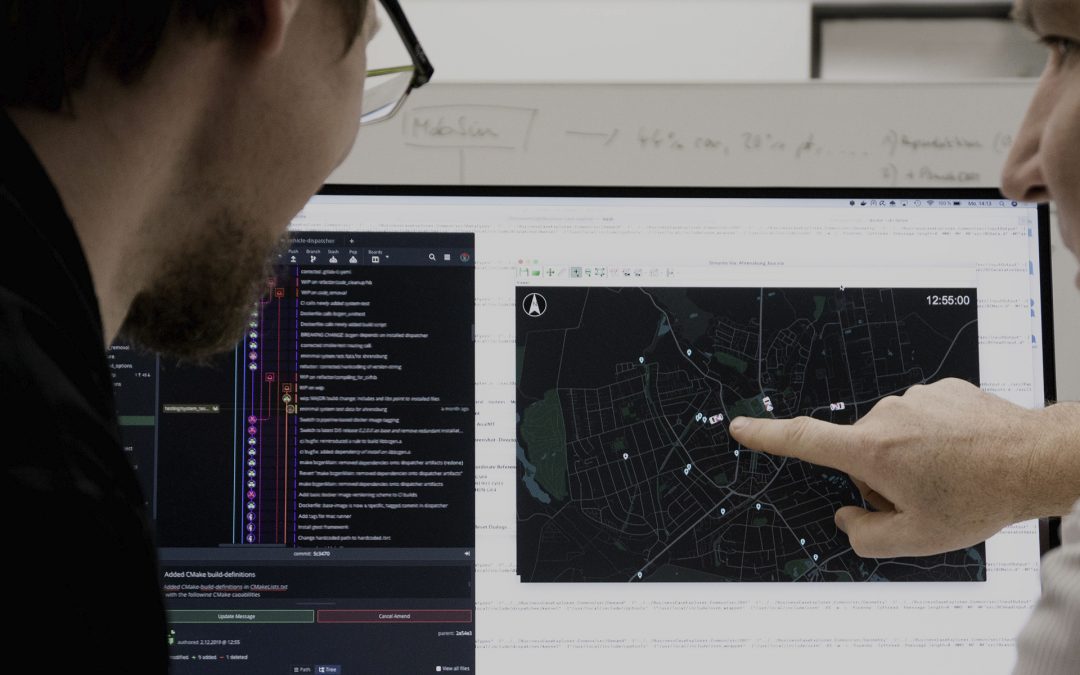
Whether socio-demographic or geographical data, information from travel diaries from household surveys or flows of people from mobile phone data – mobility-related data and information are available in large quantities in times of digitisation, but are still too rarely used to develop user-centred services and offers.
26. Mar. | Mobility Insights
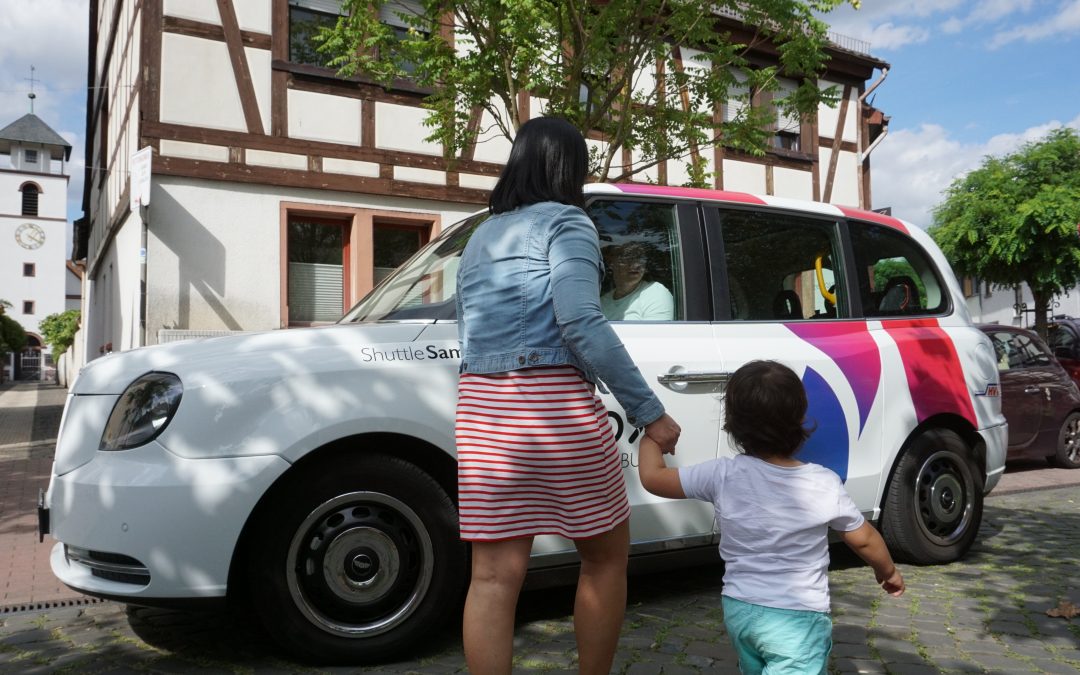
What began in 1977 in Friedrichshafen is today generally known as on-demand transport: In a large-scale experiment, the people of Friedrichshafen were the first in Europe to look for a solution to adapt the existing public transport system to meet demand – thus heralding the birth of the Rufbus.

13. Mar. | ioki Stories
Starting with the question «Solutions of urban mobility as a blueprint for rural areas?» we dedicated our third ioki Mobility Network Business Club yesterday evening in a relaxed living room atmosphere and together with our guests of the to the topic of rural mobility.

5. Mar. | Mobility Insights
Owning a private car has long since ceased to be the norm in cities. With good public transport connections, new forms of mobility such as e-scooters or ride hailing services such as Uber and Co., you can get from A to B flexibly, comfortably and quickly even without a car.
28. Feb. | Mobility Insights
The idea of establishing free public transport is currently on everyone’s lips. But is this THE solution? Luxembourg, our neighbouring country and hardly bigger than Saarland, is leading the way and with its 600,000 inhabitants it is the first country in the world to introduce free local public transport. What do people hope to gain from the experiment?
19. Feb. | Mobility Insights
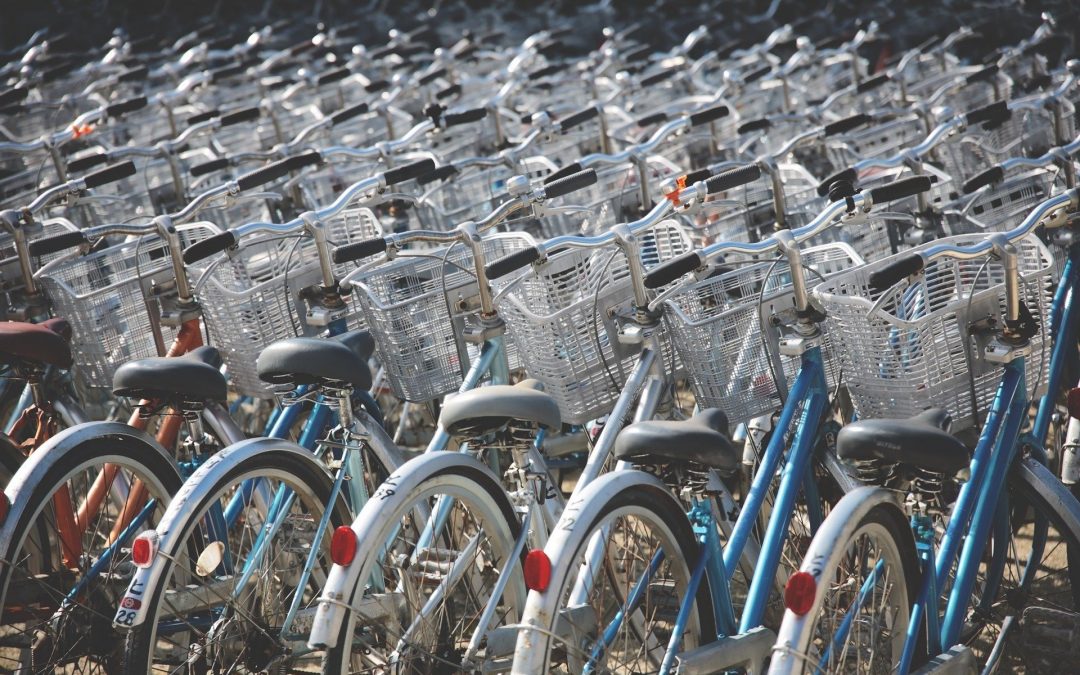
The hours of motorised individual transport seem to be numbered – at least in the metropolises of this world! The recently published study «Mobility Futures» by the Kantar market research institute shows that by 2030 the proportion of car drivers in cities will fall from current 51% to 46%.

10. Feb. | Mobility Insights
Around 16 million people (as of November 2018) live in rural regions throughout Germany and it is still not easy for them to get from A to B. Without an own car, they often do not get far. This is because bus and train connections and the associated timetables are often not designed as needed and are not flexible.
31. Ene. | Mobility Insights
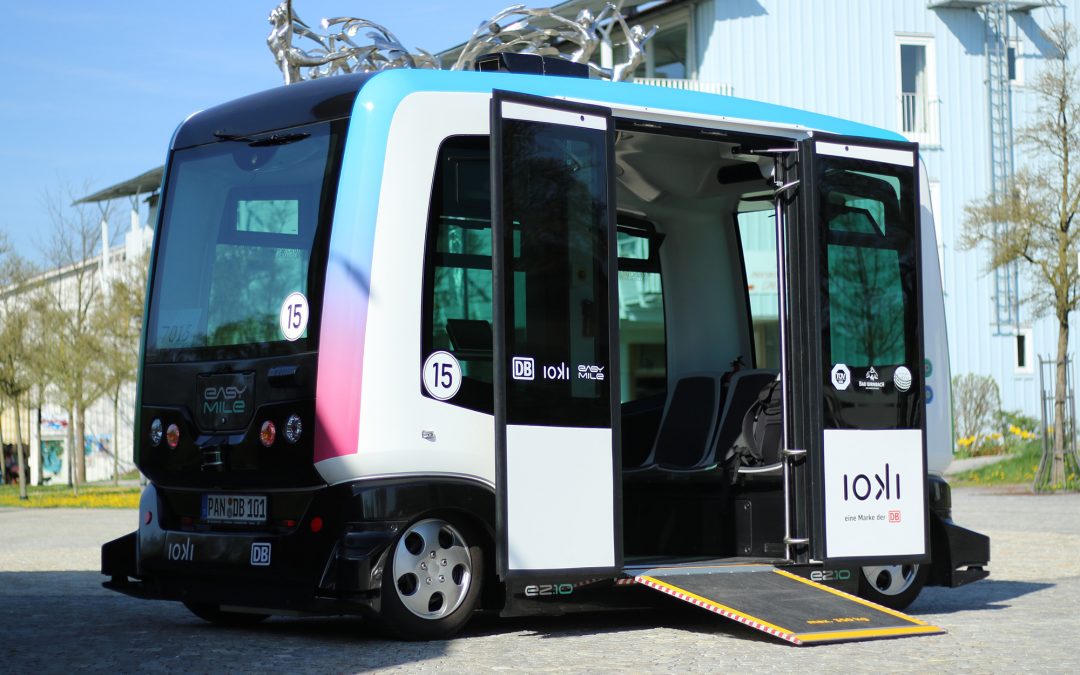
Anyone who thought of the year 2020 20 years ago probably had in mind, autonomous cars that would be romping all around on the streets. Today’s reality, however, teaches us otherwise and proves that the situation is much better: Although we are continuously on the right track, there is still no question of autonomous vehicles dominating the road traffic.