21. Mar. | Mobility Insights
Autonomous driving has been considered one of the major trends in the mobility industry for years. According to a representative survey conducted by the digital association Bitkom in 2021, 99.8 percent of respondents can imagine using an autonomous means of transport*. But what does it actually mean when car manufacturers send the first systems for highly automated driving on the road at level 3 and level 4 autonomous shuttles reinforce public transport in Germany on demand from 2023 onwards?

1. Mar. | Mobility Insights
For a long time, the company car was considered the non-plus-ultra and was often the only mobility offer employees could expect from their employer. In 2023, more flexible mobility solutions such as digital demand-responsive company transport, job bikes and mobility budgets are gaining ground. Rising energy prices, stricter environmental and climate protection regulations as well as greater sustainability awareness among employees are also contributing to the need for companies to rethink their corporate mobility management.
15. Feb. | ioki Stories
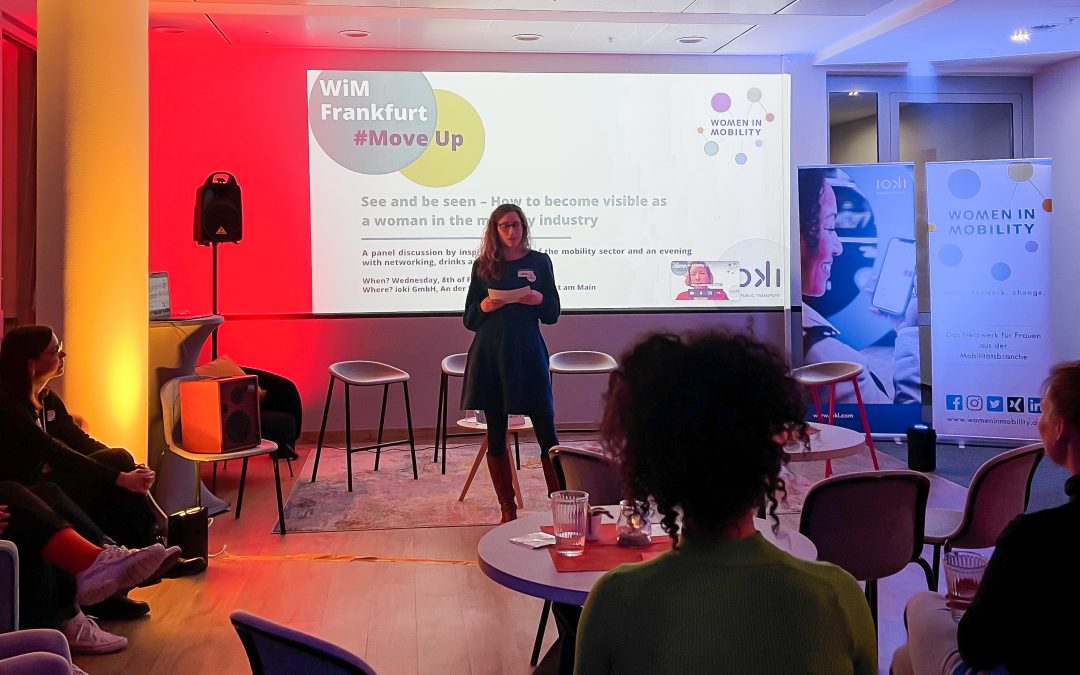
Under the motto «See and be seen», the first joint #MoveUp event of Women in Mobility and ioki took place on Wednesday, February 8th, 2023. Around 50 participants, women and men, from the mobility industry in and around Frankfurt took the opportunity to exchange their experiences and views on the topic of visibility in a relaxed atmosphere.
24. Ene. | Mobility Insights
A mobility guarantee is
18. Ene. | Mobility Insights
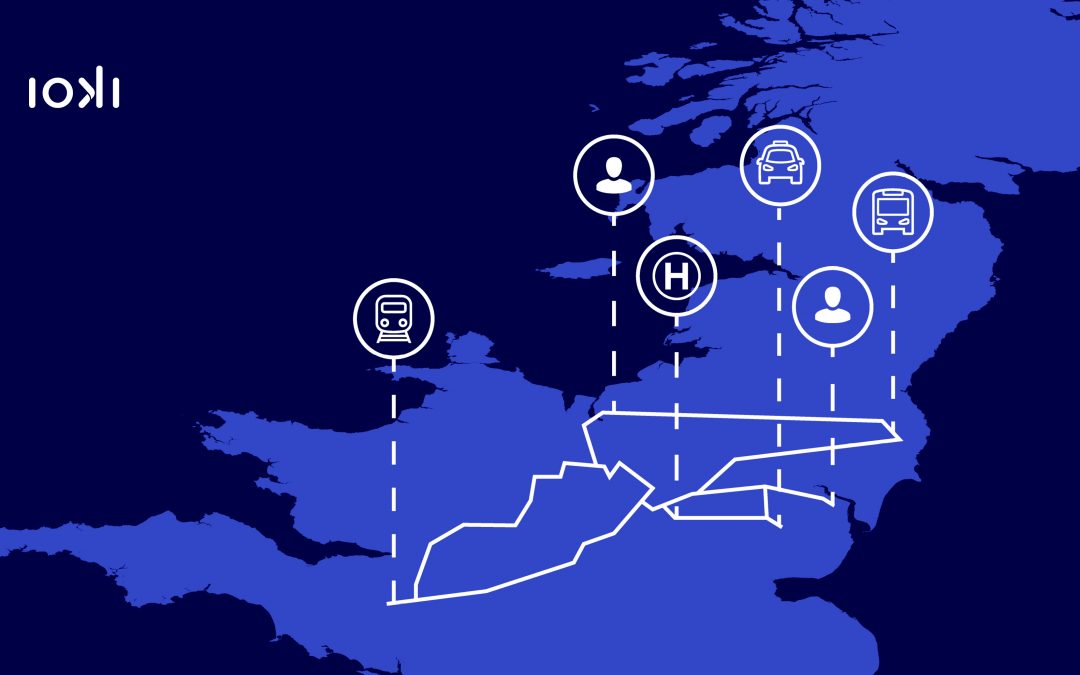
55 million German citizens living in suburban and rural areas do not have access to attractive public transport offerings. This was the result of our mobility analysis of public transport in Ger-many. But what about public transport in England, Wales and Scotland? Our transport planners investigated this question. Around 450,000 weekday trips from timetables of over 300,000 stops in England, Wales and Scotland were analysed. The result: in all three parts of the country (except London), less than 20 per cent of the population have access to attractive public transport.

12. Ene. | Mobility Insights
In the previous edition of «Mobility Turn, now!» we looked at the measures taken by the state of Hesse to enable citizens to travel in a climate-friendly way by local transport. This time we are taking a closer look at Baden-Wuerttemberg.
15. Dic. | Mobility Insights
A local public transport plan is a planning instrument in which all performance and quality criteria for the operation of local public transport in an area are acquired. The local transport plan analyses the existing mobility offer and serves as a guideline for the future development of local mobility.
25. Nov. | Mobility Insights
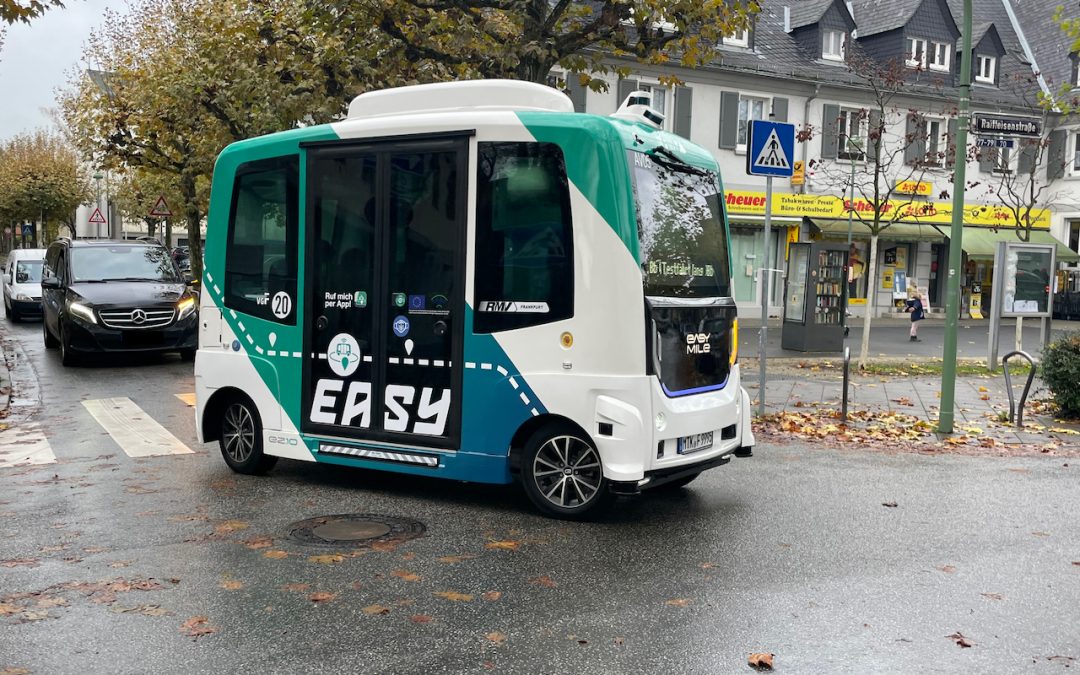
The mobility turn cannot be achieved without digital and forward-looking mobility offers. The goal “more mobility with less traffic” can only be realized by the merging of different digital technologies. One key element in this effort can be autonomous vehicles on demand.

27. Oct. | Mobility Insights
65 million tons less CO2 emissions till 2030 – this is the climate goal for the German transportation industry. More electric mobility, a modernized rail network and billions for the development of public transport are supposed to contribute to the effort of Germany becoming more climate friendly.
But which measures are being taken on a federal level to enable citizens to be sustainably mobile with less ecologically harmful traffic? What progress is being made in the efforts to expand public transport, to reactivate old train tracks and to install new bike lanes? We answer these and other questions in our new blog series “Mobility turn, now!”. We want to show pioneering mobility projects in each federal state as an example for a successful and sustainable mobility turn in Germany.