
5. Sep. | ioki Stories
Philipp Hanßen is a transport planner in ioki’s Mobility Analytics and Consulting (MAC) team. He started his career at ioki 2.5 years ago as an intern and working student in the MAC team and is currently writing his thesis for his master’s degree in transport engineering at ioki. The thesis sheds light on the framework conditions for the successful use of on-demand transport in rural areas. Since the end of 2021, he has been supporting the interdisciplinary team as a transport planner in actively shaping the transport revolution.
5. Ago. | Mobility Insights
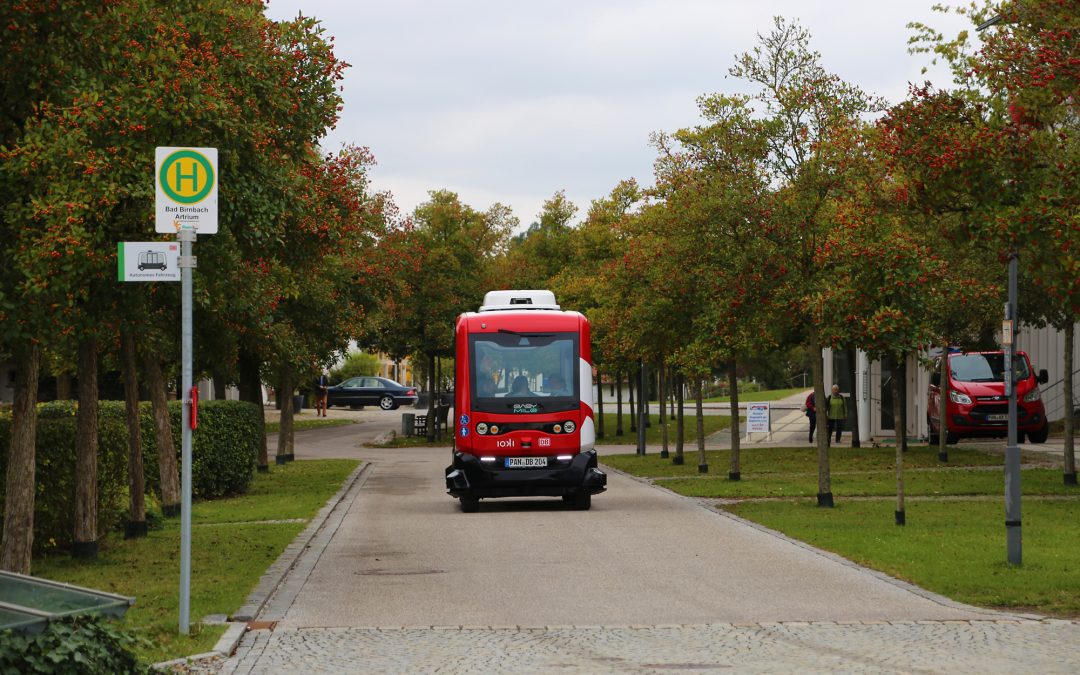
When you think of the future of mobility, you see young people racing through skyscraper canyons in futuristic robot taxis in your mind’s eye. In reality, most autonomous projects do not drive sleek robot taxis in German metropolises. Instead, ponderous-looking minibuses, so-called people movers, move through narrow alleys and across marketplaces in smaller towns and rural areas. This is the case in Bad Birnbach, for example. The small town in the Lower Bavarian spa triangle, which is known for its thermal baths, has been attracting not only wellness guests but also fans and experts of new mobility since 2017. The reason for this is a small, box-like vehicle with a top speed of only 15 km/h: it is Germany’s first autonomous public bus!
26. Jul. | Mobility Insights
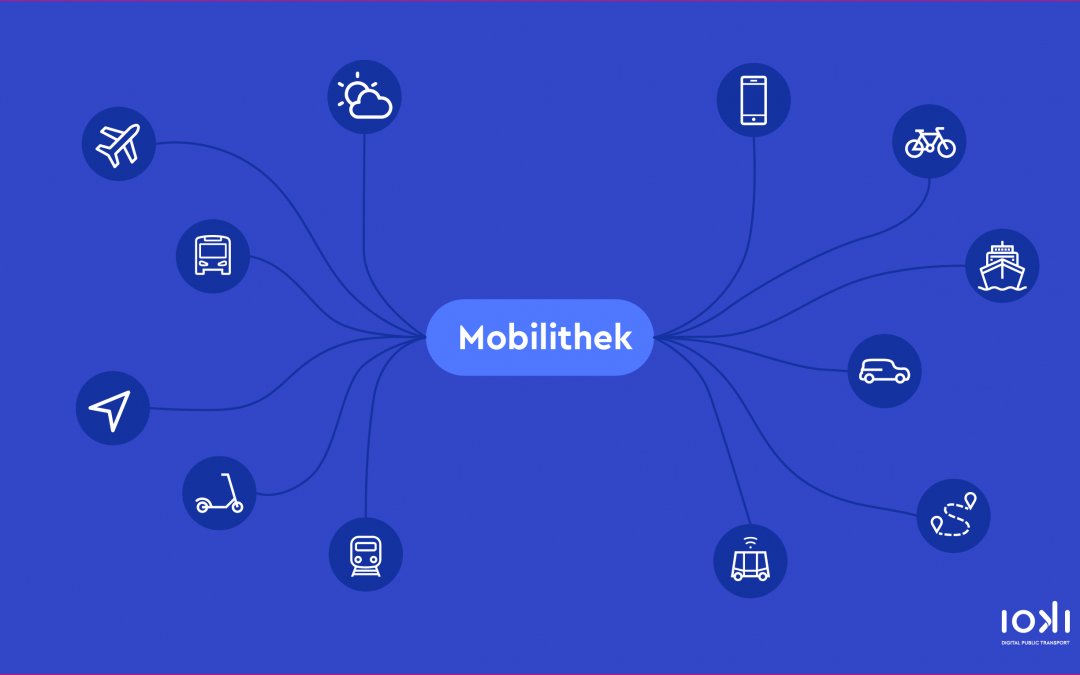
Good news for all those involved in the mobility cosmos: Since July 1, 2022, it has been one for all: one platform for the exchange of all relevant mobility data. This is made possible by the Mobilithek. This new central, uniform and user-friendly access point of the Federal Ministry for Digital and Transport replaces the previous platforms «Mobility Data Marketplace» and «mCLOUD».

30. May. | ioki Stories
Alexander started his journey in the DB Group at DB Regio Bus. As a product owner of the «Wohin du Willst» app, he already dealt with the question of how classic public transport solutions can be digitalized. Since joining ioki, he has been helping to build the ioki platform for digital mobility and is constantly developing it. He has always wanted to improve mobility in rural areas, since he was always dependent on a car in the city where he grew up.

29. Abr. | Mobility Insights
Hanna Kops is Head of Experience at Transport for London. She leads the digital design team which is responsible for the experience strategy, innovation, and design across all digital channels for one of the largest transport systems.
18. Feb. | Customer Stories
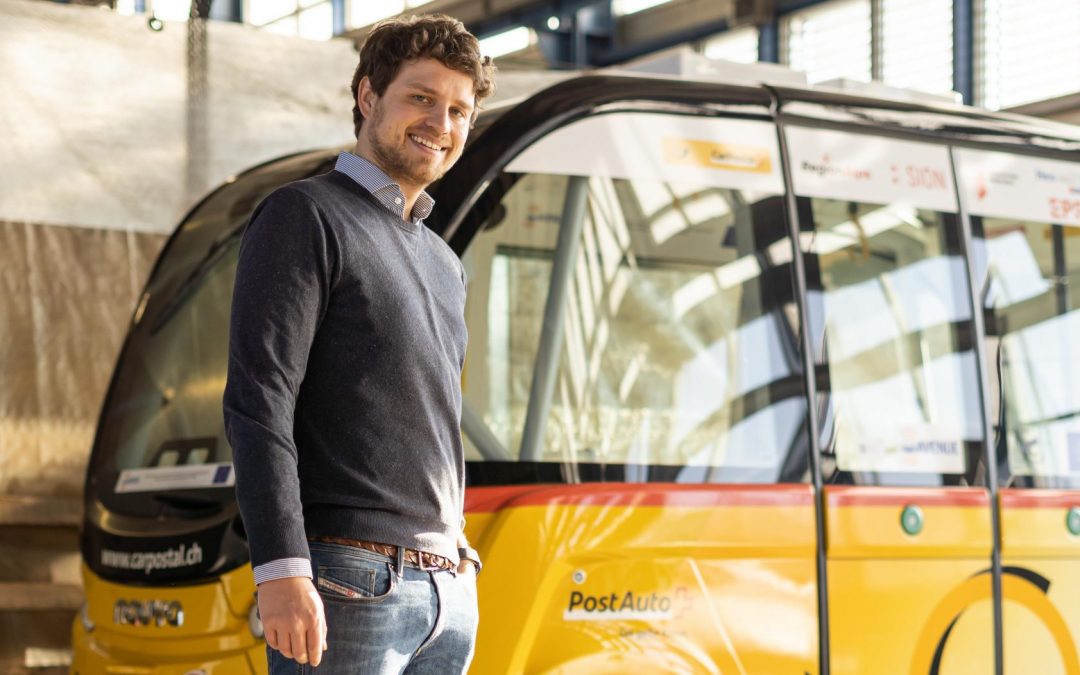
Martin Neubauer has already made several stops in the mobility sector. He has been with PostBus for two years now, where he is responsible for the business area of autonomous driving. Since the end of 2020, he has also held his mandate as Executive Director of the Swiss Association for Autonomous Mobility.
16. Feb. | Mobility Insights
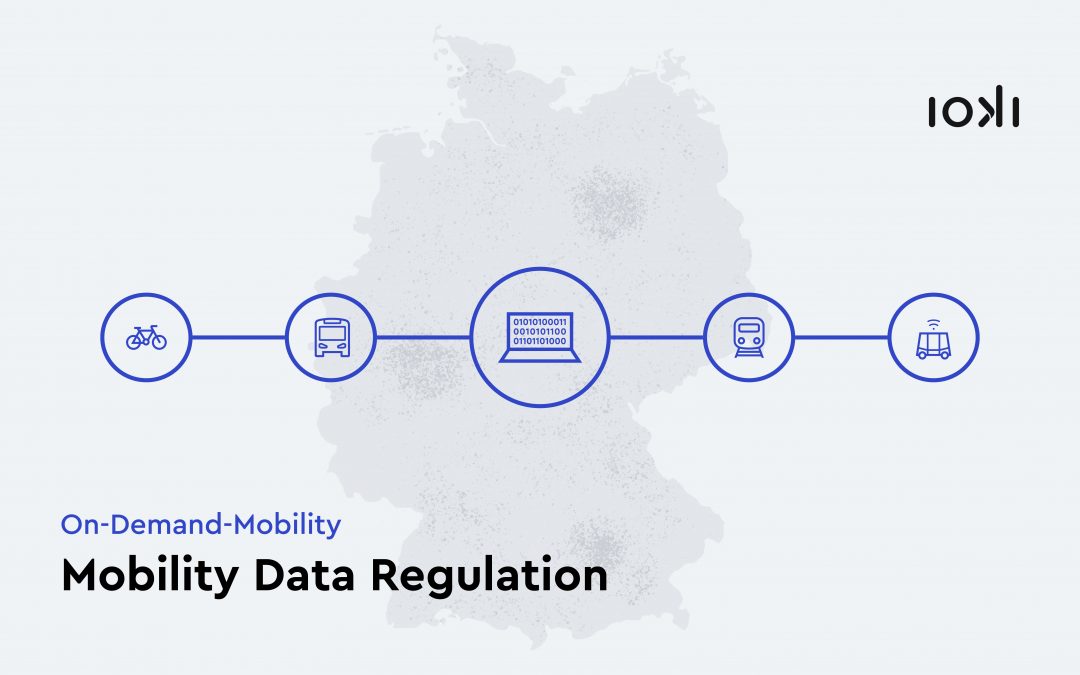
Last September, the starting signal was given for the large-scale use of mobility data in transport planning. The Federal Council has agreed on the implementation of the German Mobility Data Regulation. The new regulation makes it possible to make German mobility data available on the so-called Mobility Data Marketplace. For companies from the mobility sector, the new regulation enables access to data sets which were not available before. Through the use of these data sets in the mobility sector, customers will benefit from new, data-driven mobility concepts that are precisely tailored to the actual mobility needs on site.
9. Feb. | Mobility Insights
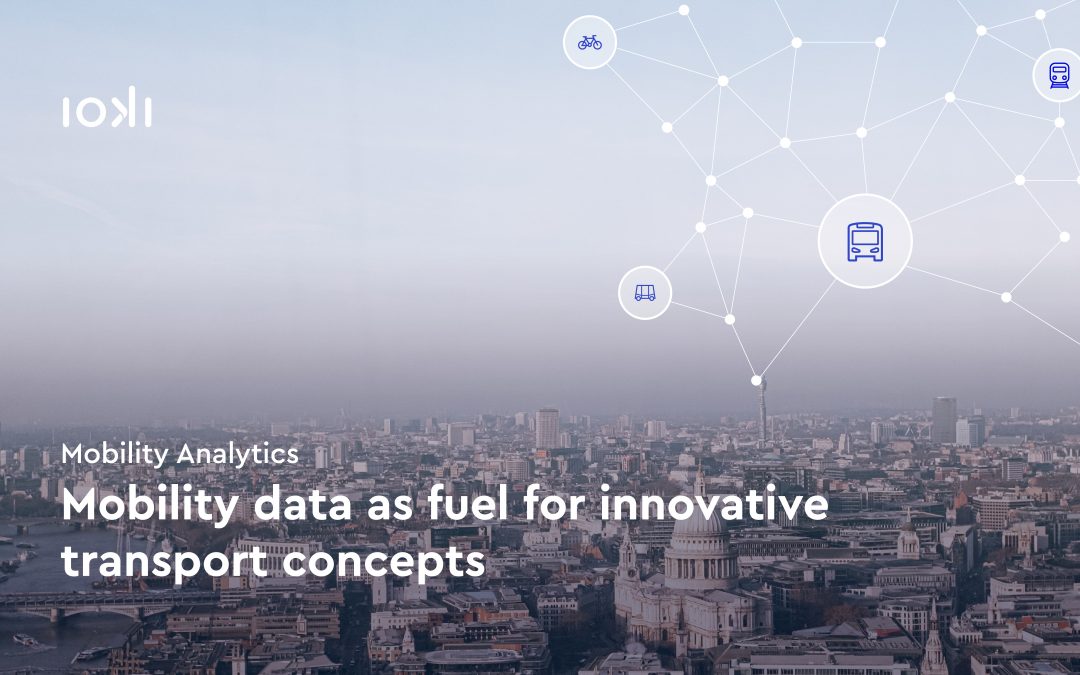
The desire for flexible, sustainable and above all contemporary mobility solutions is stronger than ever before. Digitalisation and the associated use of data are driving the further development of exactly these mobility solutions. Complex analytical models make it possible to link data from different sources, evaluate data quantities and obtain results in real time. Mobility and traffic data are thus the fuel for a demand-oriented, automated and above all customer-centric public transport system. But to what extent are digital and data-based applications changing the public transport sector?
26. Ene. | Product Insights
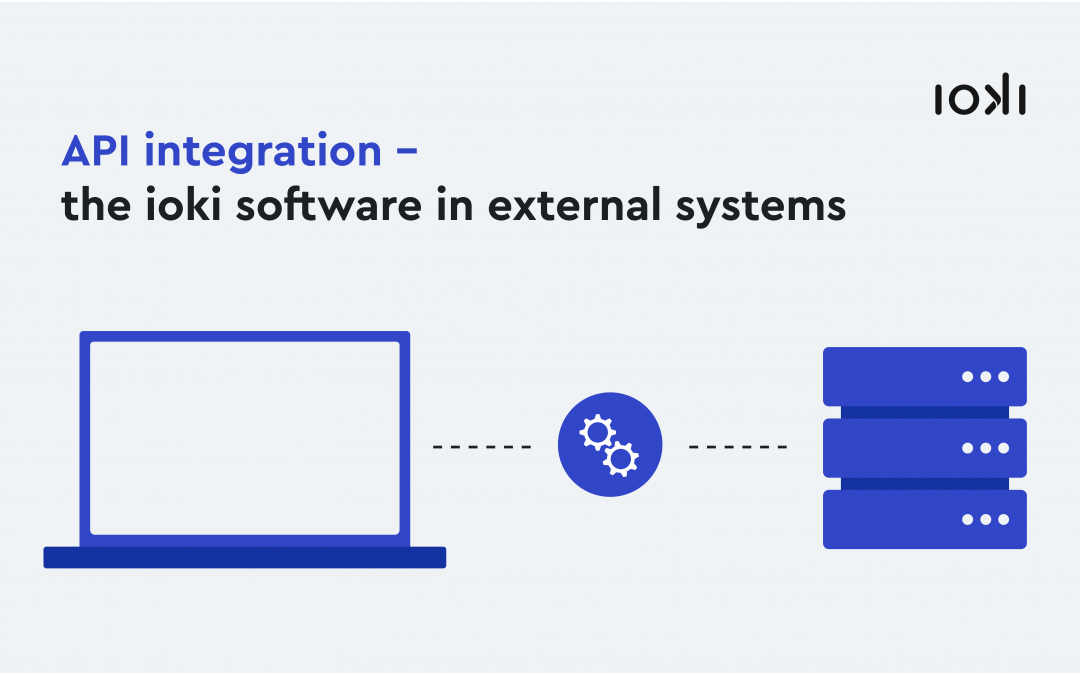
What is behind the ioki API? “We are continuously working on our data storage and also on the connection and integration of our system into external systems,” says Andreas Schwarzkopf, Head of Backend Engineering at ioki. The Application Programming Interface, or API, can be used to integrate software into external systems. In the ioki case, this means integrating our operating system for digital mobility primarily into external Mobility as a Service (MaaS) platforms.