
10. Août. | Mobility Insights
An ever increasing urbanization of our society is clearly visible. Young people in particular are increasingly moving their centre of life from rural regions to the cities. In addition, there are many commuters who do not want to live directly in the urban jungle, but who find well-paid jobs mainly in the cities. This congestion in the cities and the associated additional traffic flows have consequences – especially for our increasingly grey planet. But what challenges must urban public transport face in times of the mobility change? And what role will it itself play in this?

5. Août. | Mobility Insights
/ Reading: 3 min. / What’s green? The Deutsche Bahn Sustainability journey in full swing Why we need to improve, especially in mobility matters, is obvious. The use of motorised private transport is causing noise and air pollution. The advantages of public...

23. Juil. | Mobility Insights
Almost 16 million people live in rural regions throughout Germany. For them it is often a difficult task to get from A to B by public transport. After all, rural regions are at the back of the queue when it comes to expanding public transport. But why is the accessibility of these regions so poor and public transport hardly an alternative? How can it be guaranteed that people living in rural areas can also be mobile in a climate-friendly and cost-effective way?

17. Juil. | Mobility Insights
Tijen Onaran is the founder of the company Global Digital Women. Here, she is committed to the networking and visibility of women in the digital industry. In addition, Tijen advises companies on diversity issues, publishes articles in well-known media outlets such as Manager Magazine and moderates various events on topics of current interest to her.

6. Juil. | Mobility Insights
Don’t worry, in this article we will not refresh the basics of business studies again. Rather, we would like to examine the extent to which the theory, which may already be somewhat dusty but is still valid and authoritative, can be combined with our daily practice, the transformation of public transport.
22. Juin. | Mobility Insights
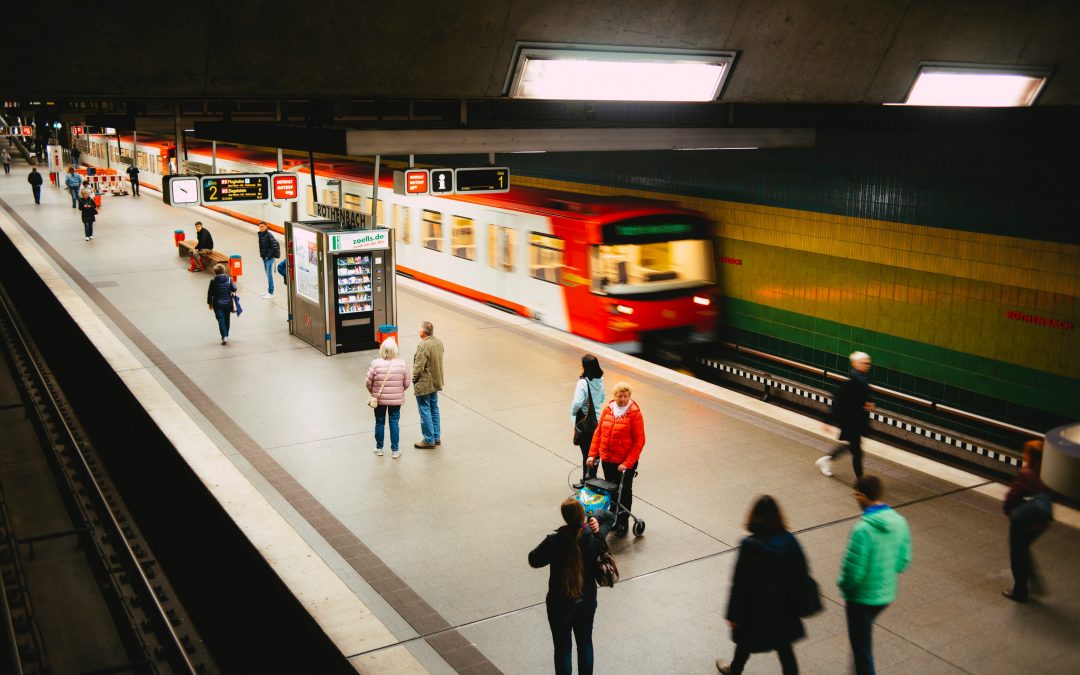
Mobility is often still a resource-intensive undertaking – in every respect: Too many cars on the road cause a high level of environmental pollution, loosely set timetables mean an immense loss of time and excessively large containers and empty runs – especially in rural areas and at off-peak times – take their financial toll.

19. Juin. | Mobility Insights
Better air, blue skies and significantly fewer vehicles on the roads: The Corona crisis has given our planet a little well-earned rest. This is because of the positive effects in terms of lower CO2 emissions during the pandemic. A recent study shows that the restrictions on public life have also reduced global emission numbers drastically.

17. Juin. | Customer Stories
/ Reading: 3 min. / Perspectives from Joachim Rodenkirch, Mayor of the city of Wittlich The Wittlich Shuttle has now been in operation for almost 2 years – What changes can you see in Wittlich as a result of the expanded public transport system? How has this...
8. Juin. | Customer Stories
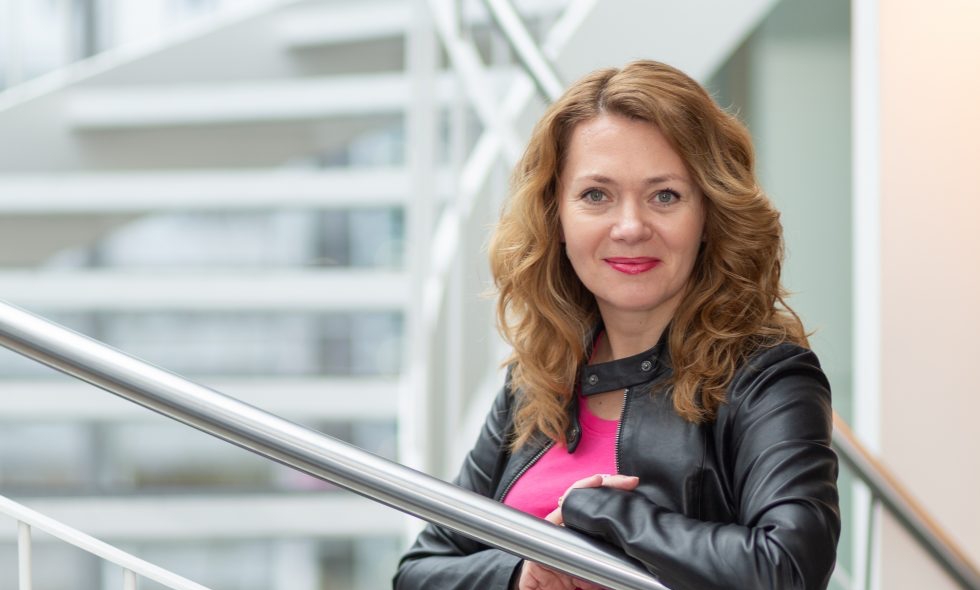
Dr. Olga Nevska is Managing Director at Telekom MobilitySolutions. As a full-service provider and wholly owned subsidiary of Telekom, Telekom MobilitySolutions provides a comprehensive range of efficient, economical and sustainable mobility services tailored to customer needs. The portfolio ranges from classic fleet solutions with vehicles tailored to customer needs, including expansions, to employee mobility solutions.
With a doctorate in economics and law, she has been working for Deutsche Telekom AG in various positions since 2009: Controlling and Commercial both in Germany and internationally.