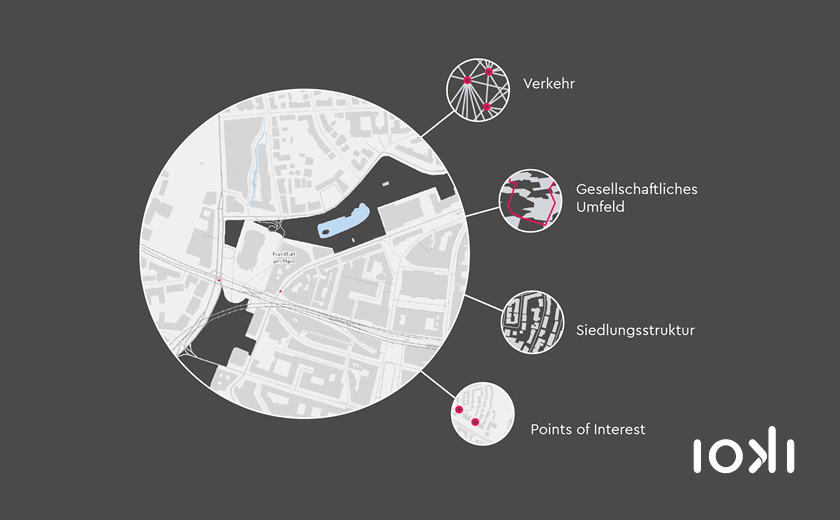
Mobility Analytics: Planning urban and regional infrastructure
Beyond the horizon: mobility is more than just moving from A to B. It is the product of the infrastructure surrounding it, which limits or enables it.

Beyond the horizon: mobility is more than just moving from A to B. It is the product of the infrastructure surrounding it, which limits or enables it.

Not only in Germany is the mobility of the future a central topic which is constantly gaining knowledge and alternative solutions. Looking over to our neighbours such as Sweden or the Netherlands shows that new mobility concepts are developing and establishing themselves in different ways in Europe.
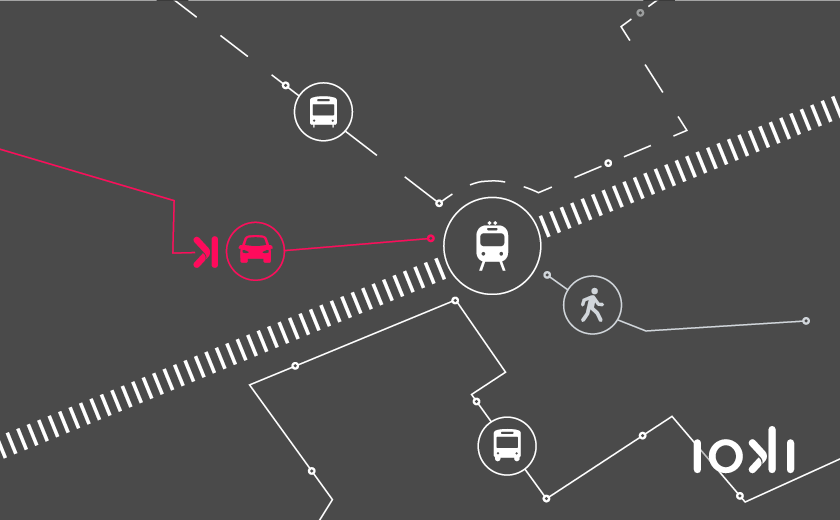
Time for New Mobility: What would the best measures be worth without concrete implementation? Not much, exactly! And that’s why a mobility analysis is not only about evaluating the current situation and developing a catalogue of measures, but also and above all, in a very practical way, about planning the new mobility offers in line with the existing system.

From theory to practice: Last week we already looked at the added value that a first stocktaking of the current offer can provide in the form of an analysis of the public transport system. In the following, we combine these findings with concrete solutions.

We are always on the run: After work to our favorite place in the city, in the middle of the week to a business appointment once across the republic, on the weekend a short trip to a European metropolis and in the Easter holidays family vacation in the mountains…
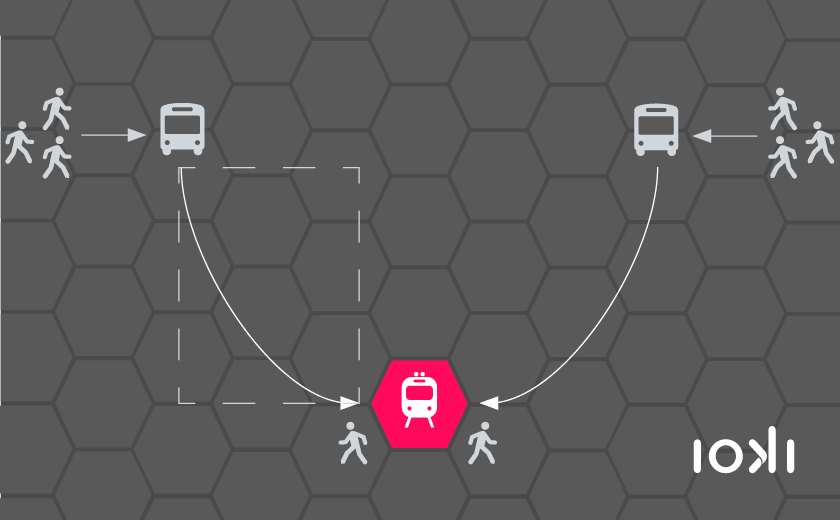
Preparation is half the battle: This also applies when planning new mobility offers. To ensure that they build optimally on existing solutions, it is advisable before any system changeover to first take an initial stock in the form of an analysis of the public transport system.

Green, environmentally neutral and connected – these are the demands on the city of tomorrow. At the same time, people’s quality of life is to be improved and the ecological footprint reduced. Experts from all over the world are thinking about the so-called Smart Cities. In all scenarios, one thing remains clear: everyone wants to remain mobile.
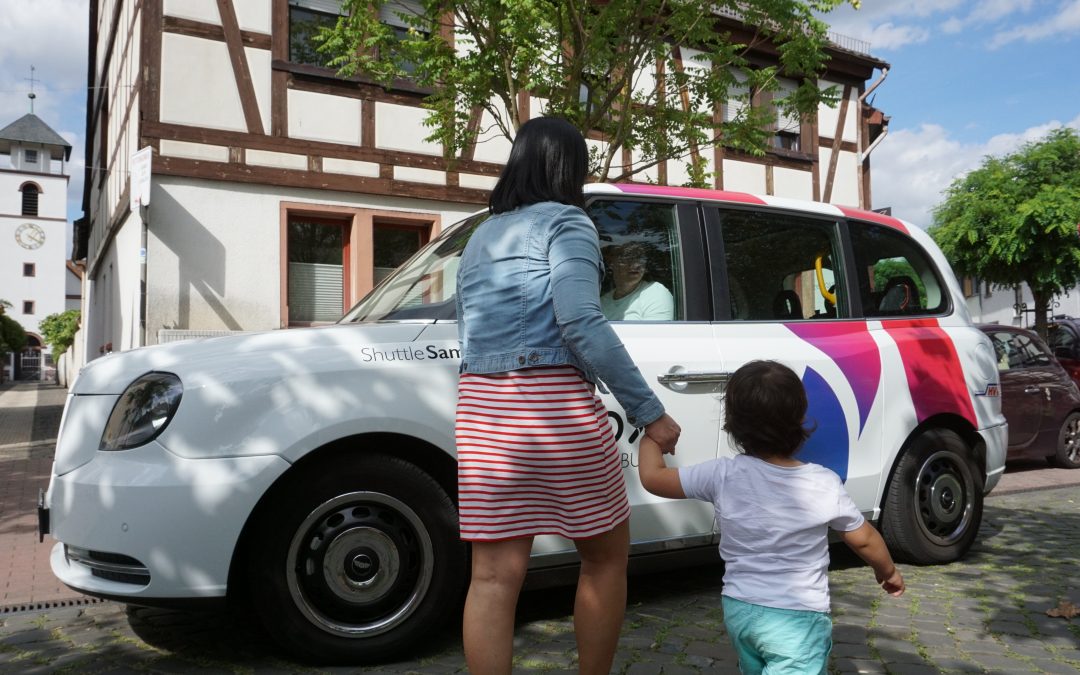
What began in 1977 in Friedrichshafen is today generally known as on-demand transport: In a large-scale experiment, the people of Friedrichshafen were the first in Europe to look for a solution to adapt the existing public transport system to meet demand – thus heralding the birth of the Rufbus.
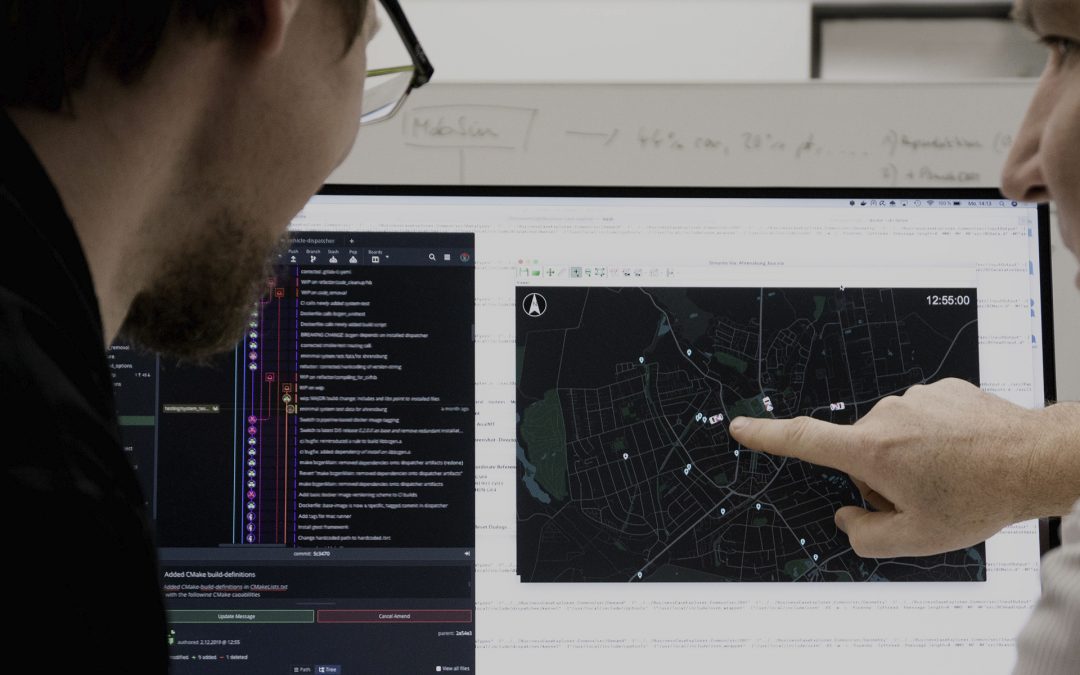
Whether socio-demographic or geographical data, information from travel diaries from household surveys or flows of people from mobile phone data – mobility-related data and information are available in large quantities in times of digitisation, but are still too rarely used to develop user-centred services and offers.