19. Mar. | Mobility Insights
“New Mobility” is often referred to as “smart mobility” and is a collective term for many innovations relating to technology and mobility. These new mobility services combine digitalisation with traditional mobility and use the advantages of the internet. New mobility services include bike sharing, demand-responsive transport, ride hailing and smart parking.

28. Feb. | Product Insights
The focus of mobility analyses by ioki is the development of individual and customised recommendations. The result: integrated transport planning, a forward-looking mobility mix and optimised public transport services. What previously focussed mainly on everyday mobility has now been extended to include tourist mobility.
22. Feb. | Mobility Insights
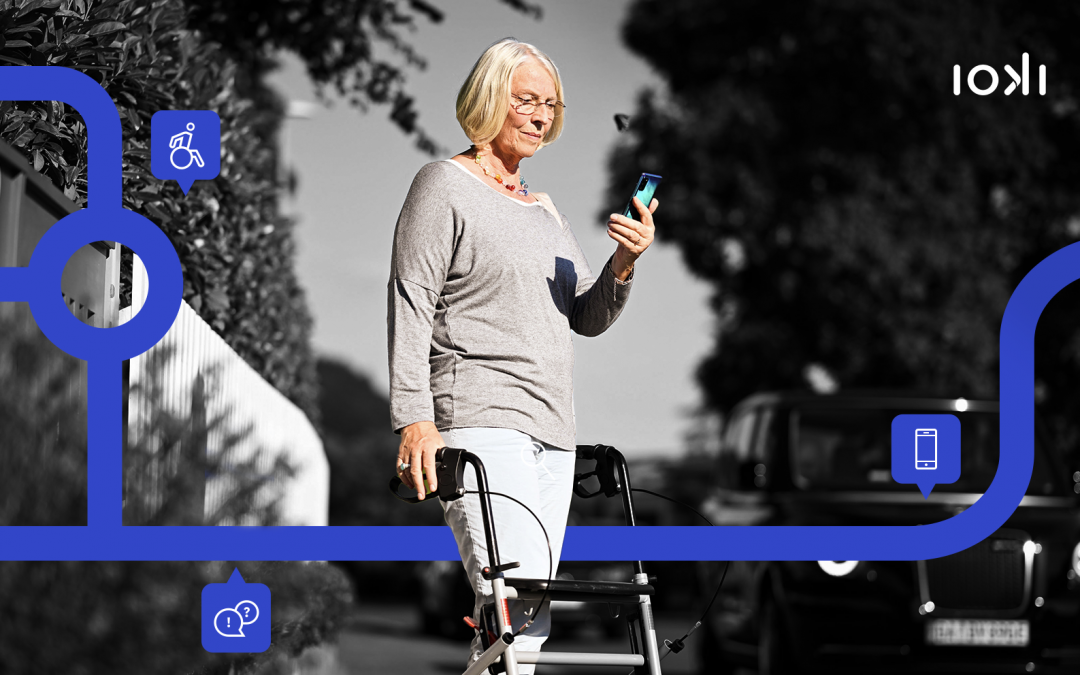
Europe’s population is ageing. in 2019, more than a fifth (20.3 per cent) of the EU-27 population was at least 65 years old. And the trend is still rising. Demographic change is a challenge for public transport, but it can also be an opportunity for growth with a customised mobility offer for senior citizens. After all, if older people no longer drive, they are increasingly dependent on public transport in order to continue to actively participate in social life.
8. Dic. | ioki Stories
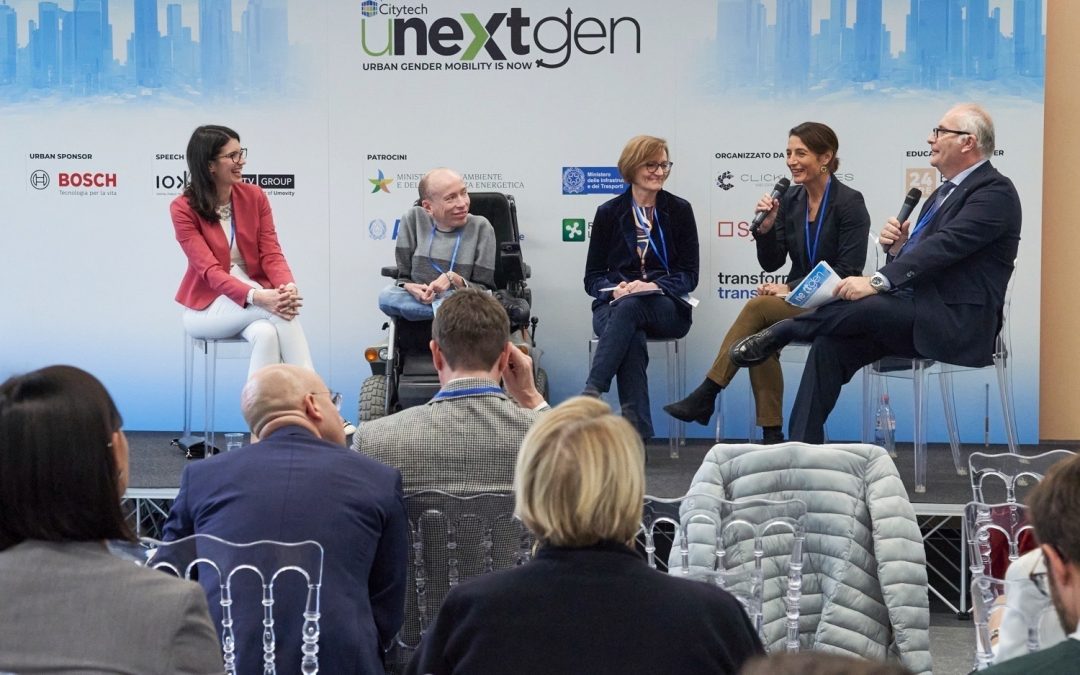
The Citytech UNextGen event in Milan has revolved around this question. The Head of Sales and Business Development at ioki, Laura Reupke, and our Sales and Business Development Manager Manuel Manzoni have attended the event and now look back to share some insights with us.
22. Nov. | Mobility Insights
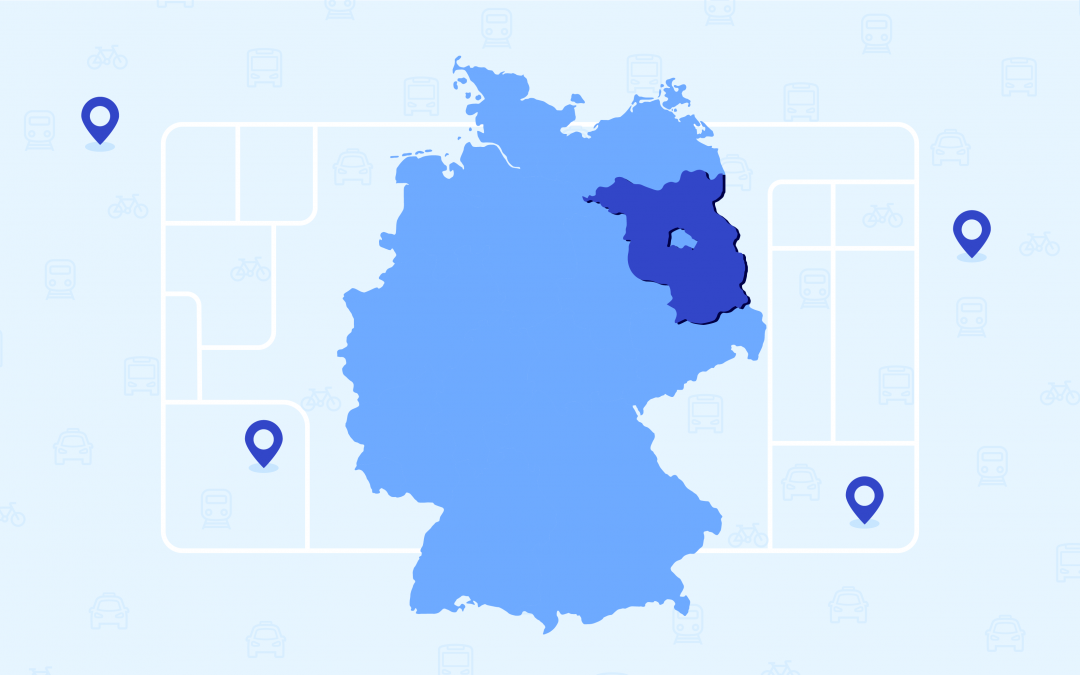
In this edition of the blog series “Mobility turn now!”, we are focusing on the largest of Germany’s eastern federal states relating to area: Brandenburg. In addition to the Spreewald cucumbers and unspoilt nature, Brandenburg has a lot to offer in terms of new mobility and Smart Cities.
22. Nov. | Mobility Insights
Mobility Hubs, also known as Mobility stations, are publicly accessible locations where various modes of transport and sharing services converge. These can be S-Bahn (suburban train) and subway stations in an urban context, or even a bus stop in the countryside where rental bikes are available or important bus routes intersect. At these stations, people can easily switch from one mode of transport to another. Mobility hubs promote efficient and sustainable mobility by offering various mobility services, otherwise known as Mobility-as-a-Service (MaaS). The concept can be expanded from a simple bus stop to large Mobility Hubs, for example, with a combination of on-demand transport, car sharing stations, or e-scooters.

26. Ott. | Product Insights
Demand-responsive transport based on the ridepooling concept is on everyone’s lips and has long been an important pillar of individual, public transport. Data-based transport planning is needed to realise the full potential of on-demand mobility. When transport companies want to start a new on-demand operation, they inevitably face the question of the right ridepooling design and the best balance between the costs and benefits of the flexible offer.

25. Apr. | Mobility Insights
Holidays without mobility are only possible on staycations, because no matter whether it’s a day trip, an annual holiday or a long-term trip: Travelling means being mobile. In order to achieve the climate protection goals and to advance the traffic turnaround, tourist traffic should also be critically examined, because Germans like to travel a lot.
29. Mar. | Mobility Insights
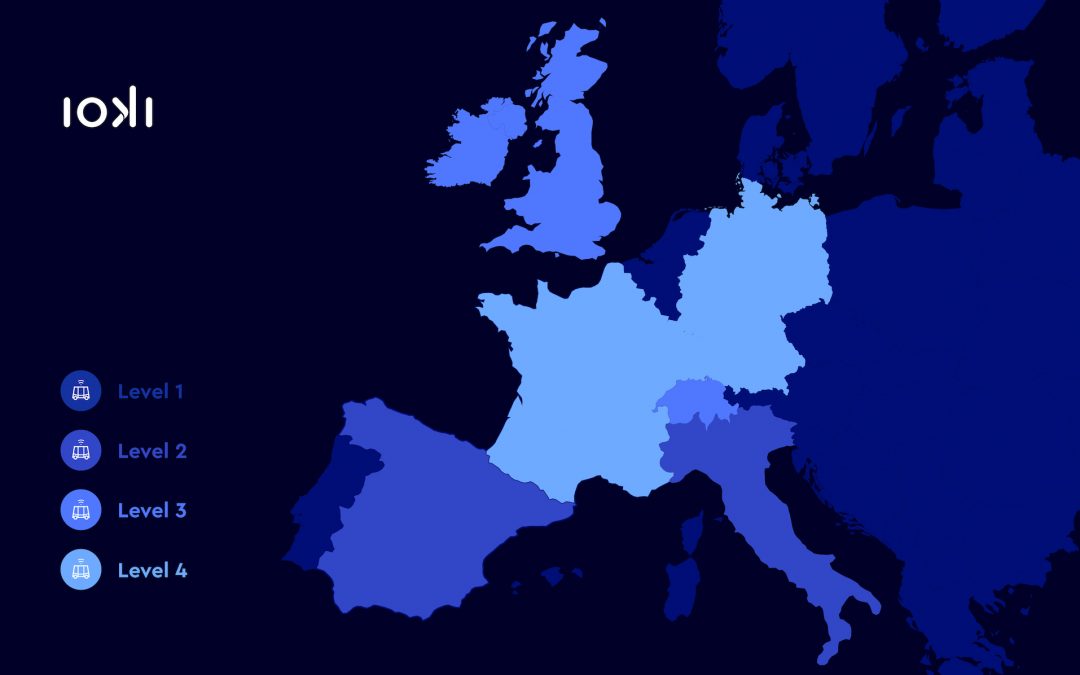
Autonomous mobility is no longer a utopia; it is already reality and a key technology in today’s world. Worldwide, and especially in Europe, research and testing are being carried out on autonomous mobility – this holds great potential in terms of improving individual mobility thanks to increasingly efficient services while also providing a way of reducing private transport.