4. Mar. | News
Ya es oficial desde hace unas semanas: Confebus, la mayor asociación española de transporte en autobús, e ioki unen sus fuerzas. La alianza se centra en el objetivo común de acercar los productos y servicios de ioki al mercado español y potenciar la digitalización en el transporte público. Confebus representa a las empresas de autobuses de todo tipo en España, con más de 30 asociaciones territoriales y sectoriales y más de 2.500 empresas de transporte.

28. Feb. | Product Insights
The focus of mobility analyses by ioki is the development of individual and customised recommendations. The result: integrated transport planning, a forward-looking mobility mix and optimised public transport services. What previously focussed mainly on everyday mobility has now been extended to include tourist mobility.
22. Feb. | Mobility Insights
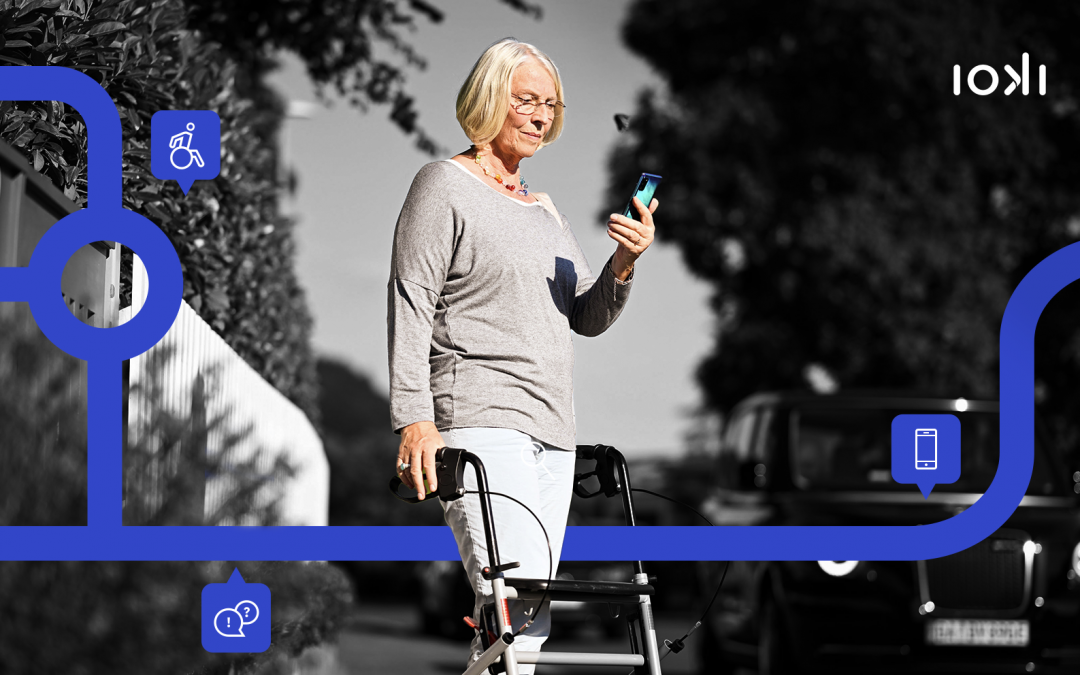
La población europea envejece. En 2019, más de una quinta parte (20,3%) de la población de la UE-27 tenía al menos 65 años. Y la tendencia sigue en aumento. El cambio demográfico es un reto para el transporte público, pero también puede ser una oportunidad de crecimiento con una oferta de movilidad personalizada para las personas de mayor edad. Al fin y al cabo, si las personas de mayor edad ya no conducen, dependen cada vez más del transporte público para seguir participando activamente en la vida social.
20. Feb. | News
(Frankfurt/Berlin, 15 February, 2024)
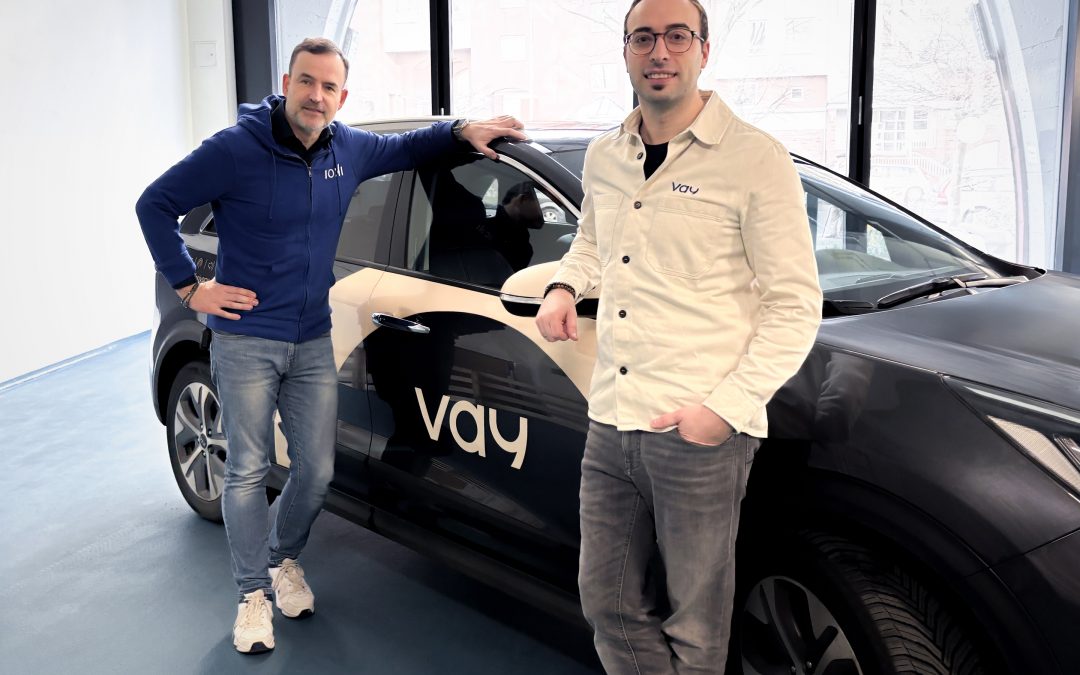
• Leading remote driving (teledriving) company Vay and ioki, market leader for on-demand technology in public transportation (ridepooling), have sealed their cooperation
• Together, they aim to combine teledriving and ridepooling to launch the first teledriven on-demand service in public transport
• A powerful digital solution to driver shortages in the public transport sector: Reducing costs and increasing efficiency and availability of flexible public transport
24. Ene. | News
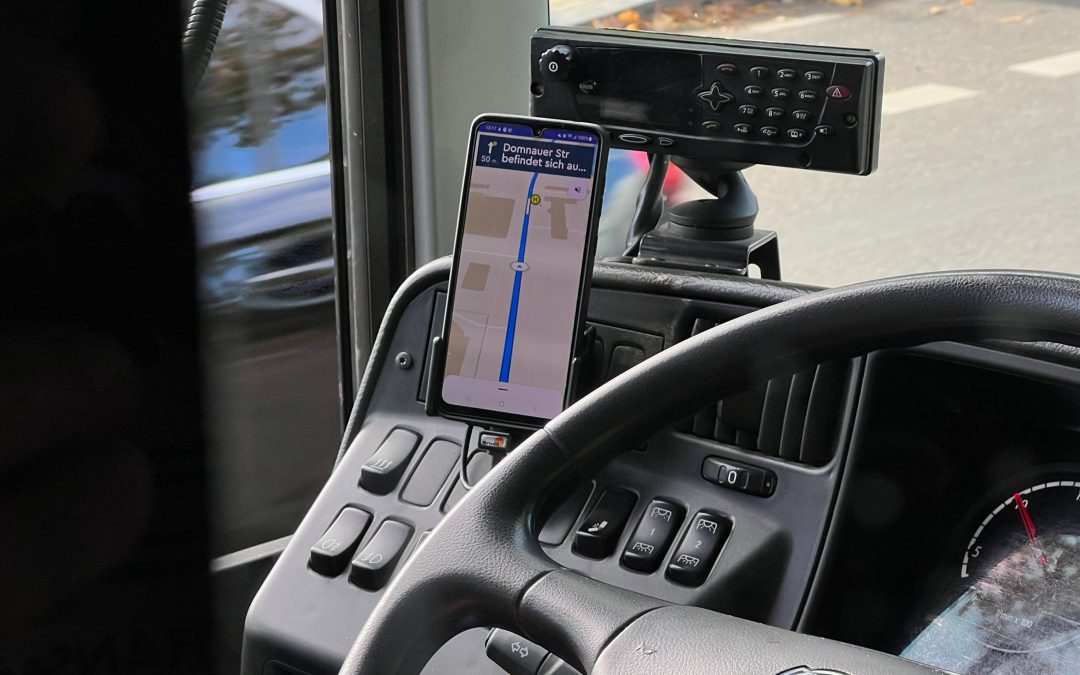
(Fráncfort, 24 de enero de 2024) ioki Route simplifica la navegación, reduce accidentes, y apoya y simplifica la formación de nuevos conductores, con un innovador enfoque «todo en uno» para un funcionamiento eficiente de los autobuses, es un proyecto desarrollado junto con Berliner Verkehrsbetriebe (BVG).
13. Dic. | News
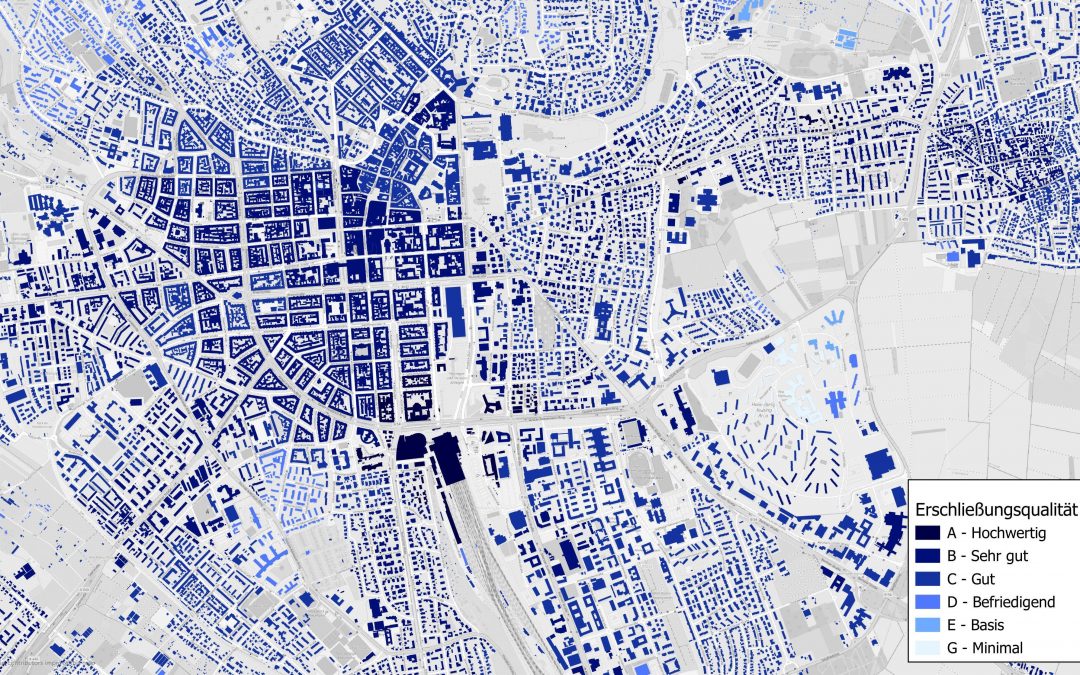
(Frankfurt/Wiesbaden, December 12, 2023) Analysis of current situation and mobility simulation completed by ioki, Planersocietät structures network design • User-centered approach focuses on the mobility needs of the population • Close cooperation between the population, transport planners and city authorities • Decision on implementation to be made in 2024
8. Dic. | ioki Stories
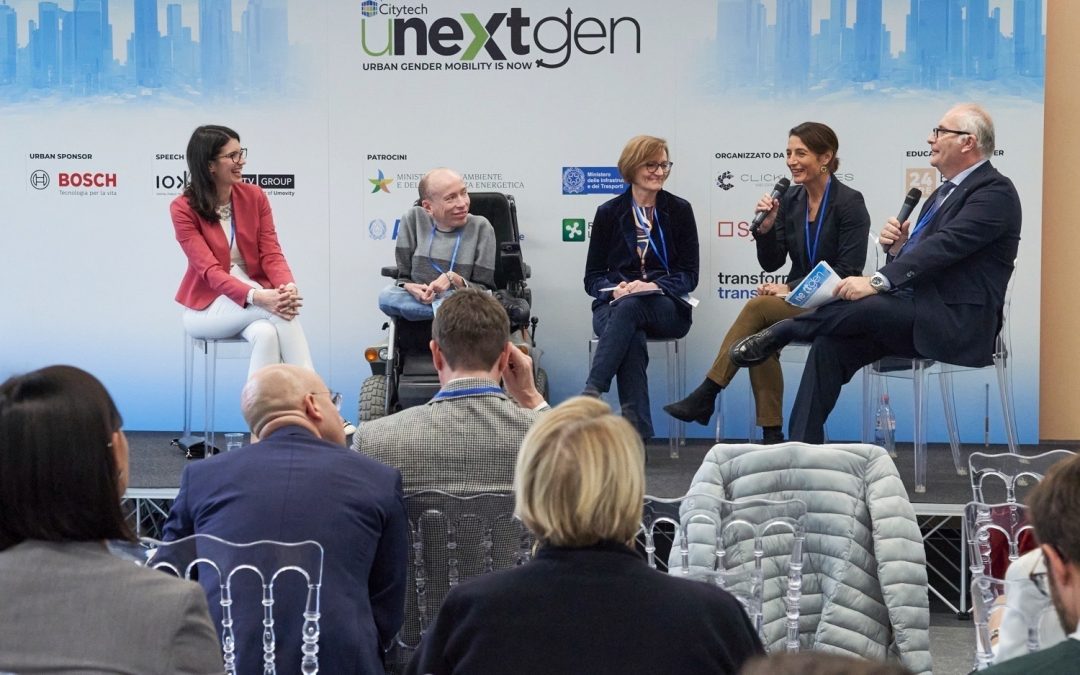
The Citytech UNextGen event in Milan has revolved around this question. The Head of Sales and Business Development at ioki, Laura Reupke, and our Sales and Business Development Manager Manuel Manzoni have attended the event and now look back to share some insights with us.
22. Nov. | Mobility Insights
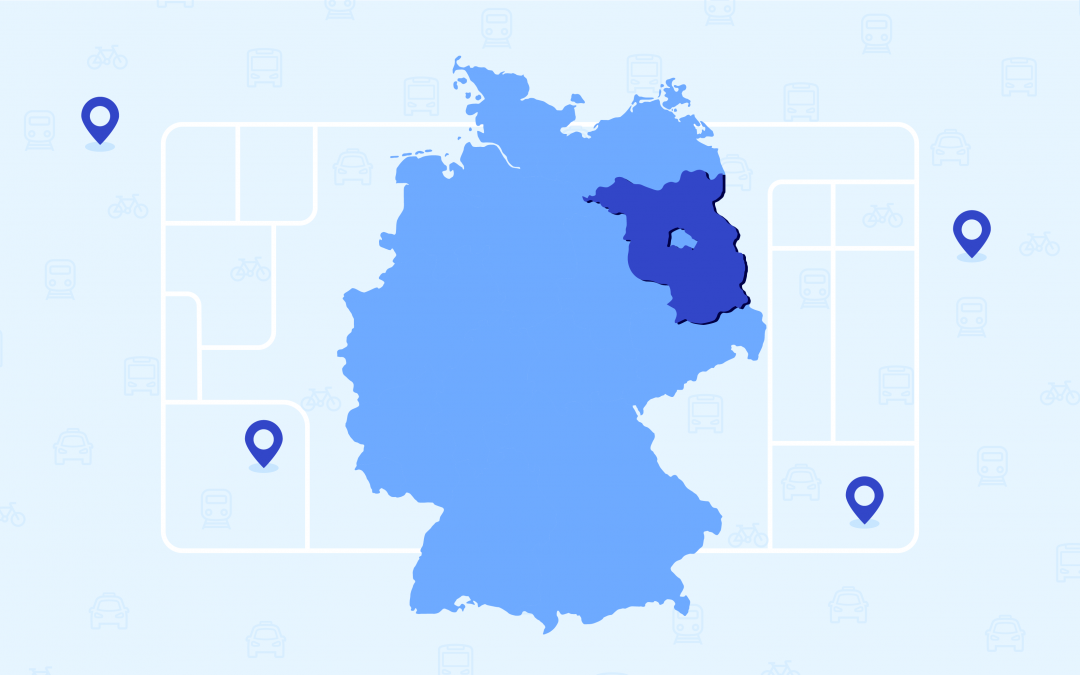
In this edition of the blog series «Mobility turn now!», we are focusing on the largest of Germany’s eastern federal states relating to area: Brandenburg. In addition to the Spreewald cucumbers and unspoilt nature, Brandenburg has a lot to offer in terms of new mobility and Smart Cities.
22. Nov. | Mobility Insights
Mobility Hubs, also known as Mobility stations, are publicly accessible locations where various modes of transport and sharing services converge. These can be S-Bahn (suburban train) and subway stations in an urban context, or even a bus stop in the countryside where rental bikes are available or important bus routes intersect. At these stations, people can easily switch from one mode of transport to another. Mobility hubs promote efficient and sustainable mobility by offering various mobility services, otherwise known as Mobility-as-a-Service (MaaS). The concept can be expanded from a simple bus stop to large Mobility Hubs, for example, with a combination of on-demand transport, car sharing stations, or e-scooters.