15. Oct. | Mobility Insights
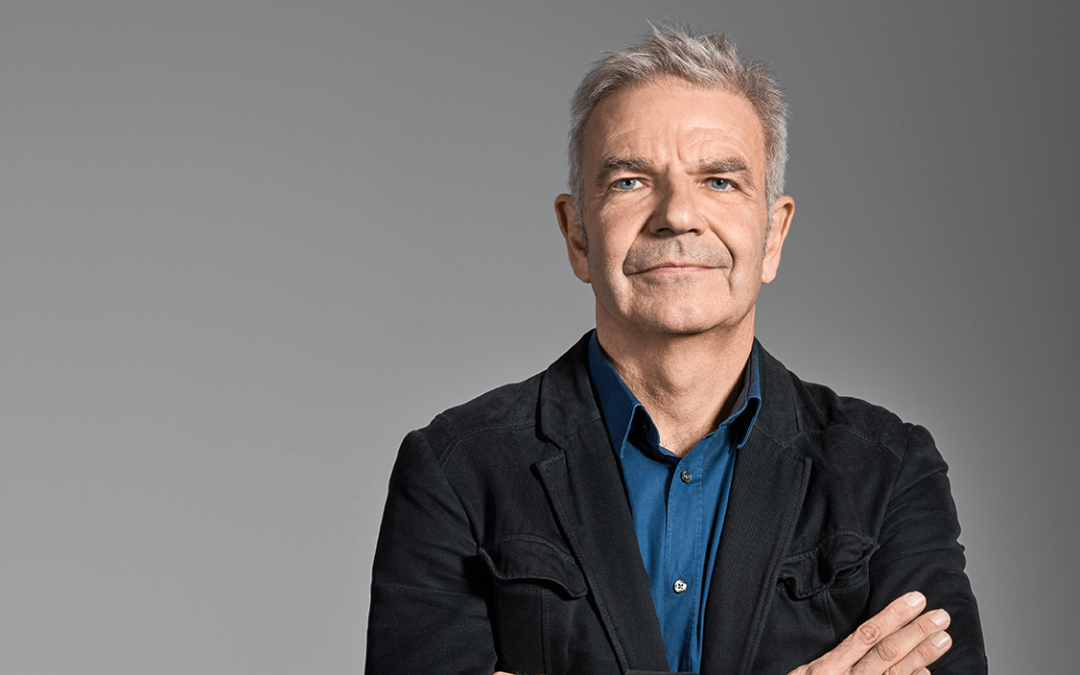
Prof. Peter Eckart studied product design at the Bergische Universität GHS Wuppertal and later at the Hochschule für bildende Künste Hamburg. In 2000, he founded the design studio unit-design, Frankfurt, Bern, together with Bernd Hilpert, with whom he also works for the Deutsche Bahn. Since 2000 Peter Eckart has been Professor of Integrative Design at the HfG Offenbach and since 2011 Vice President of the University. His central research field is mobility design. Since 2018, he has been leading the interdisciplinary LOEWE research project with Prof. Dr. Kai Vöckler in the fields of urban and transport planning, social science mobility research, multimedia technologies and the design entitled project-mo.de, which focuses on the role of design in changing mobility behaviour.
25. Sep. | News
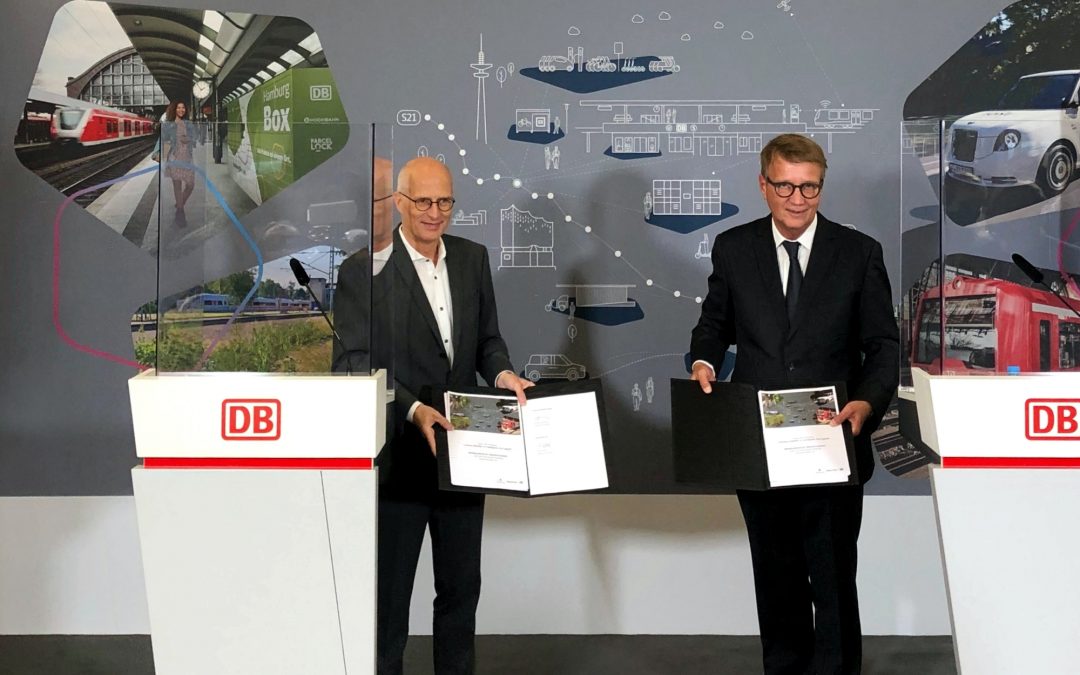
(Hamburg, September 25, 2020) Goal: Attractive stations and efficient local public transport • Digital S-Bahn, shuttle service ioki and Hamburg Box already on the way • Dammtor station as gateway to the ITS World Congress 2021
23. Sep. | Mobility Insights
/ Reading: 3 min. / Green Fleet New point of view Since around 68% of commuters in Germany travel to work by car, companies also have a responsibility to rethink mobility and restructure their existing mobility offerings. The concept of corporate mobility management...
4. Sep. | Mobility Insights
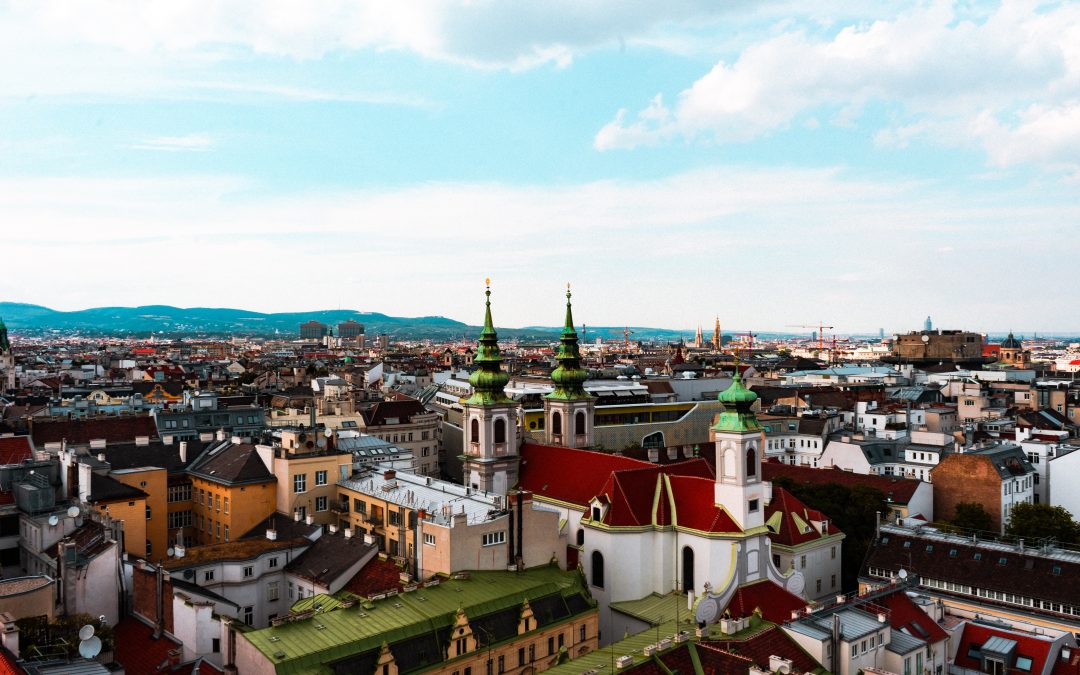
Vienna’s public transport system is among the best in the world. The network is dense and the frequency is tight. It is so well developed that you don’t even need to know the timetable. A total of 2.61 million people are transported from A to B by public transport here every day. The popularity can also be seen in the modal split, because: The public transport users have overtaken the car drivers. Around 38 percent of the distances are covered by public transport, while « only » 27 percent are covered by car. But what makes vienna different from other cities?
21. Août. | News
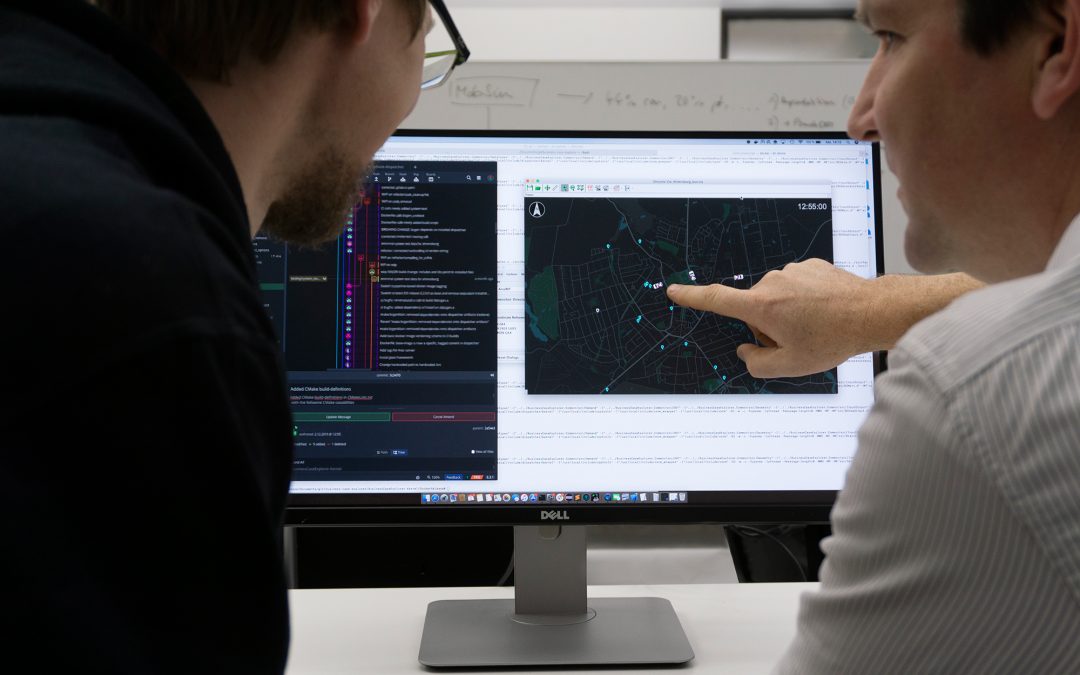
(Hamburg, August 21, 2020) Mobility analyses show new potentials of public transport • Winsen: 30 percent of journeys could be shifted from the road to climate-friendly public transport in the short term • Shuttles in Winsen, Ahrensburg and Stormarn about to start this year
20. Août. | Mobility Insights
Jakob Muus is the founder and CEO of Tracks, a Berlin-based tech company with the goal of making road freight transport more efficient and sustainable through modern technologies. The platform developed by Tracks provides its users with analyses and recommendations for action, with which they can reduce the fuel consumption and CO2 emissions of their fleet. This not only improves the environmental balance but also the competitiveness of participating companies.

10. Août. | Mobility Insights
An ever increasing urbanization of our society is clearly visible. Young people in particular are increasingly moving their centre of life from rural regions to the cities. In addition, there are many commuters who do not want to live directly in the urban jungle, but who find well-paid jobs mainly in the cities. This congestion in the cities and the associated additional traffic flows have consequences – especially for our increasingly grey planet. But what challenges must urban public transport face in times of the mobility change? And what role will it itself play in this?
5. Août. | Mobility Insights
/ Reading: 3 min. / What’s green? The Deutsche Bahn Sustainability journey in full swing Why we need to improve, especially in mobility matters, is obvious. The use of motorised private transport is causing noise and air pollution. The advantages of public...
23. Juil. | Mobility Insights
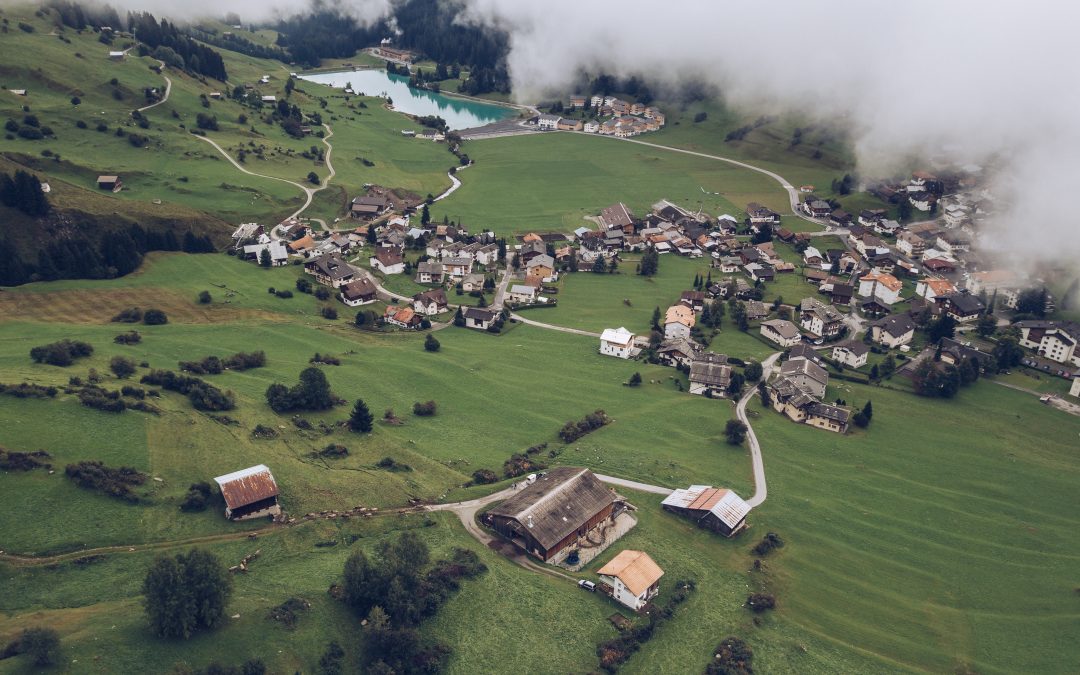
Almost 16 million people live in rural regions throughout Germany. For them it is often a difficult task to get from A to B by public transport. After all, rural regions are at the back of the queue when it comes to expanding public transport. But why is the accessibility of these regions so poor and public transport hardly an alternative? How can it be guaranteed that people living in rural areas can also be mobile in a climate-friendly and cost-effective way?