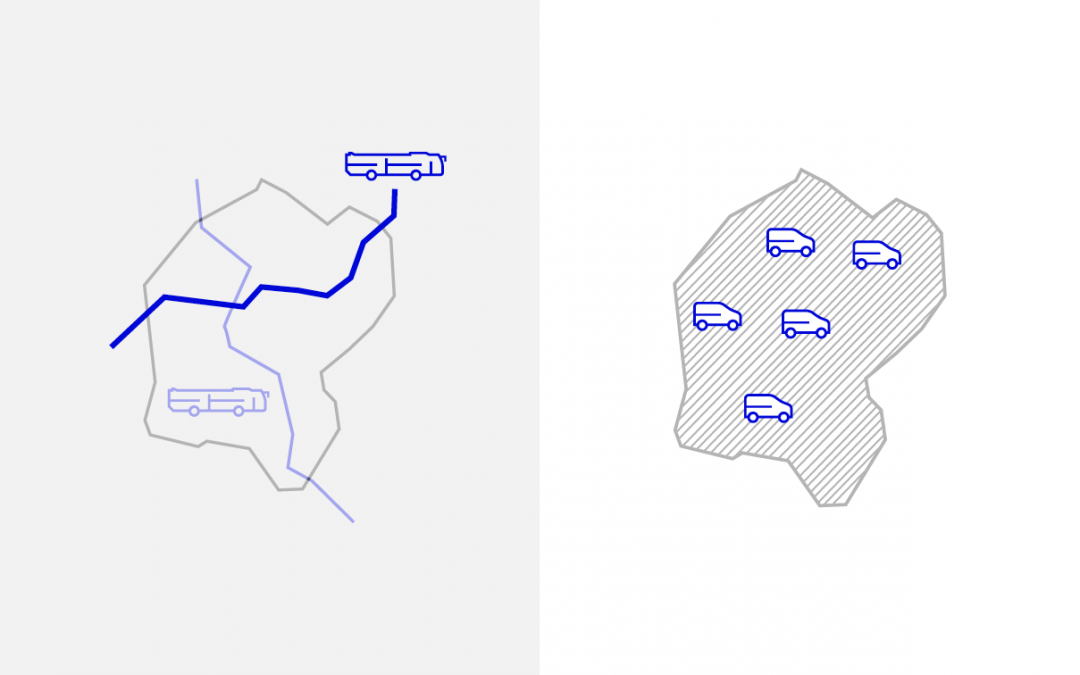
On-demand mobility meets scheduled services
Dr. A. Becker, M. Wurm
The mobility market is changing constantly: The drivers of these dynamic changes are among other things, digitisation and individualisation as well as the increased use of data.

The mobility market is changing constantly: The drivers of these dynamic changes are among other things, digitisation and individualisation as well as the increased use of data.
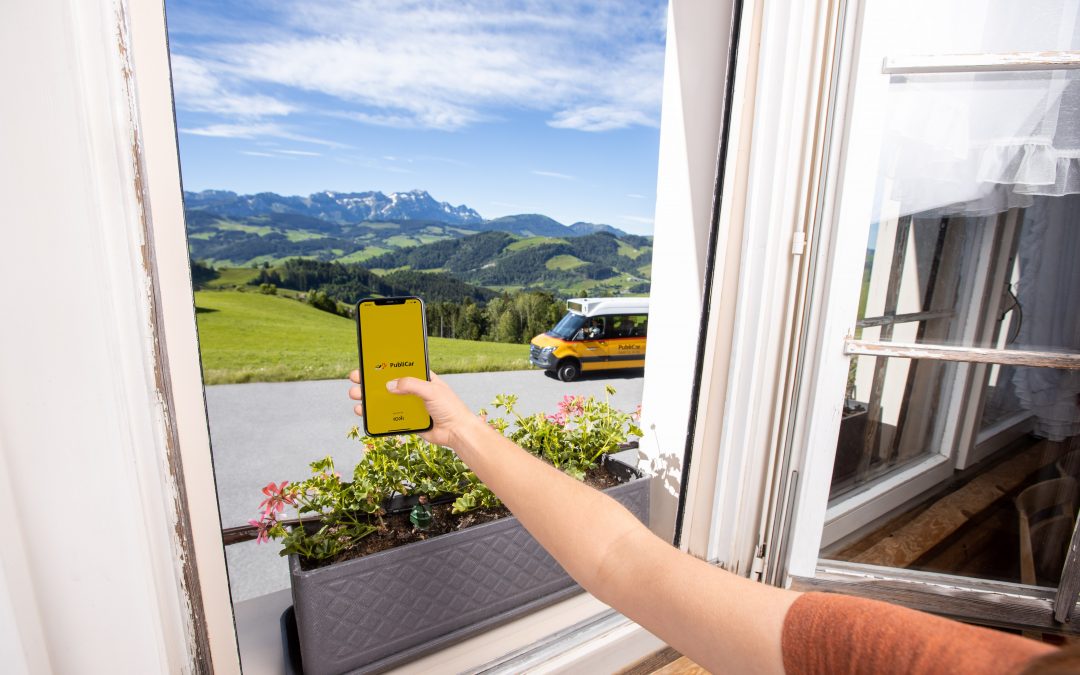
(Frankfurt/Appenzell, July 7, 2020) PubliCar app used for the first time throughout Switzerland • Deep integration into the local tariff system and addition to existing public transport • On-demand platform developed by ioki

Don’t worry, in this article we will not refresh the basics of business studies again. Rather, we would like to examine the extent to which the theory, which may already be somewhat dusty but is still valid and authoritative, can be combined with our daily practice, the transformation of public transport.
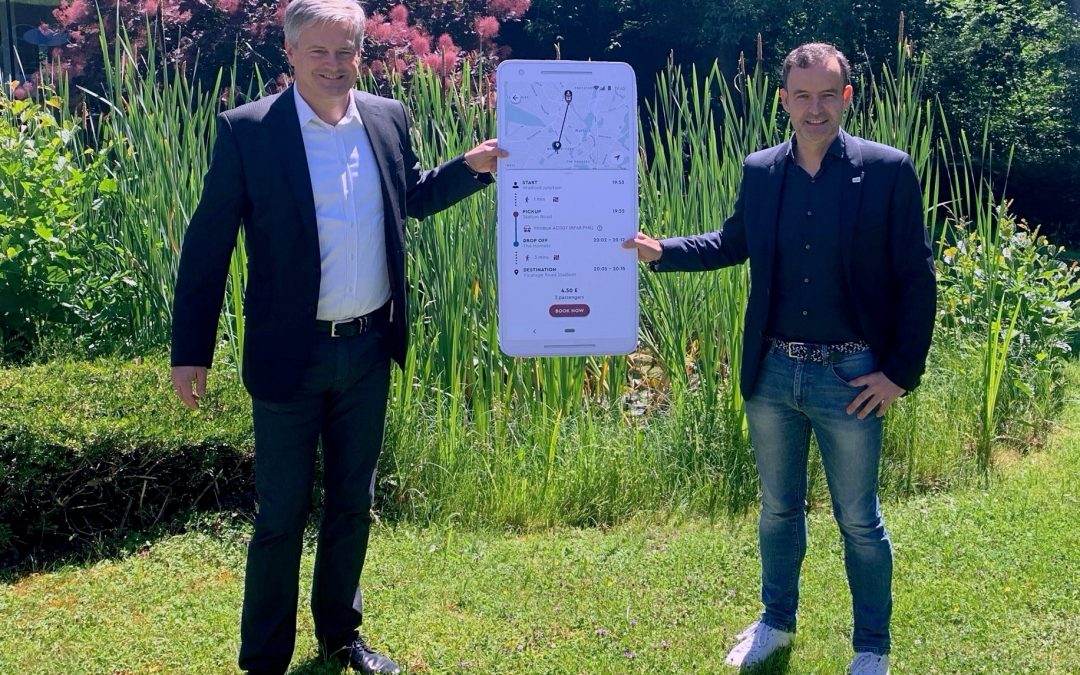
(Frankfurt/Watford, July 3, 2020) Kick-off for scaling in the European market • Cooperation with Arriva UK in the field of demand-responsive transport (DRT) solutions • First joint on-demand service since July in Watford, UK
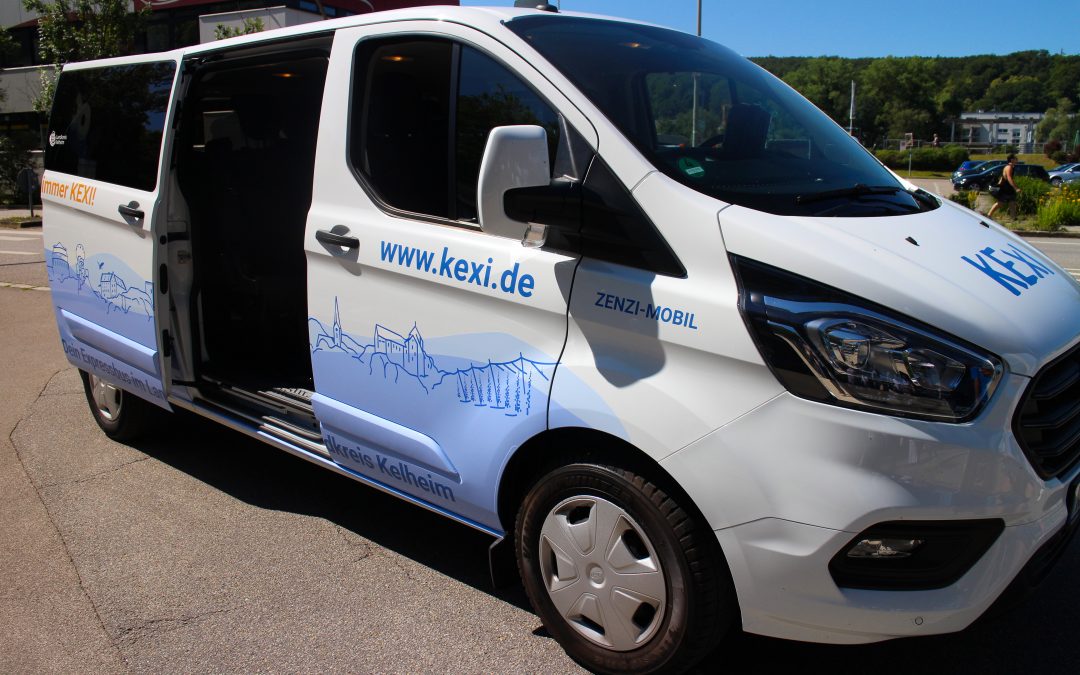
(Kelheim, July 1, 2020) Digitally bookable express bus supplements transport infrastructure in rural area • Deutsche Bahn subsidiary ioki makes it possible to book individual demand-responsive transport (DRT) service in the district of Kelheim in Lower Bavaria via app
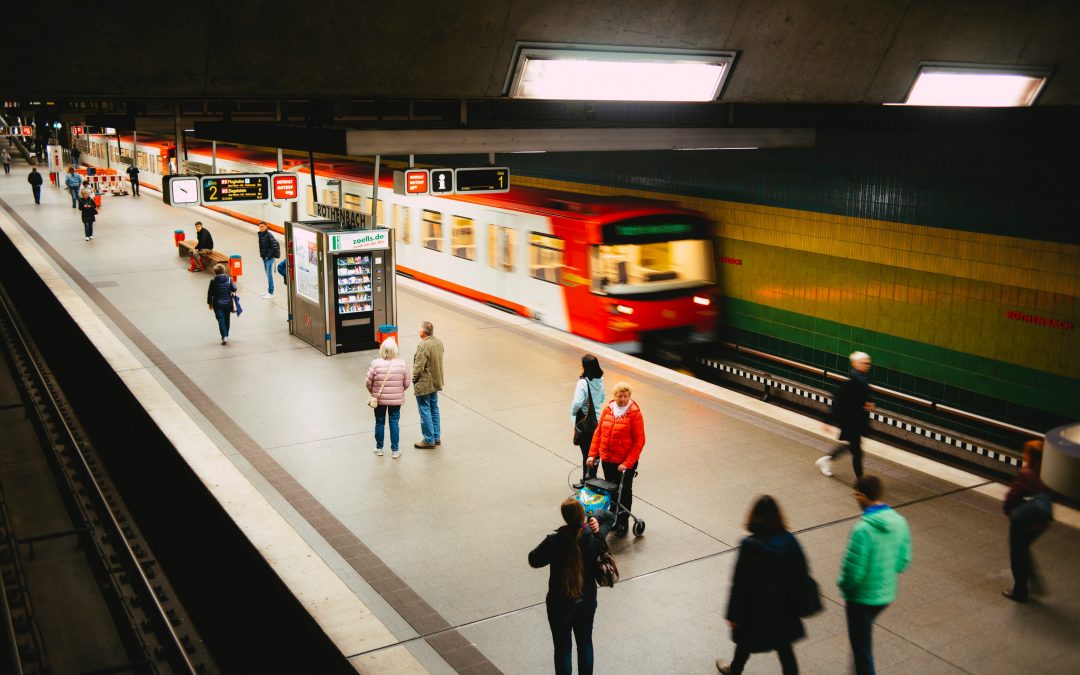
Mobility is often still a resource-intensive undertaking – in every respect: Too many cars on the road cause a high level of environmental pollution, loosely set timetables mean an immense loss of time and excessively large containers and empty runs – especially in rural areas and at off-peak times – take their financial toll.

Better air, blue skies and significantly fewer vehicles on the roads: The Corona crisis has given our planet a little well-earned rest. This is because of the positive effects in terms of lower CO2 emissions during the pandemic. A recent study shows that the restrictions on public life have also reduced global emission numbers drastically.

Joachim Rodenkirch has been the mayor of the district town of Wittlich since 2009. A town with 20,000 inhabitants, which offers almost as many jobs, making Wittlich the economic powerhouse between Trier and Koblenz. Rodenkirch studied forestry, is a member of the district council and represents the interests of medium-sized towns on the board of the Rhineland-Palatinate Association of Towns and Cities. As mayor he has both witnessed and promoted many developments in the city. In 2018 the innovative project Wittlich Shuttle was launched.
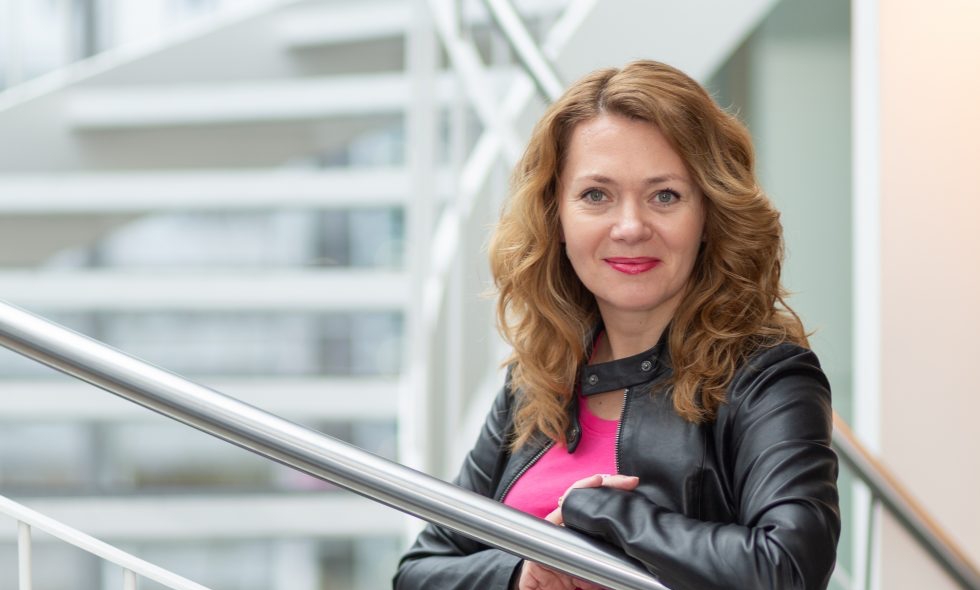
Dr. Olga Nevska is Managing Director at Telekom MobilitySolutions. As a full-service provider and wholly owned subsidiary of Telekom, Telekom MobilitySolutions provides a comprehensive range of efficient, economical and sustainable mobility services tailored to customer needs. The portfolio ranges from classic fleet solutions with vehicles tailored to customer needs, including expansions, to employee mobility solutions.
With a doctorate in economics and law, she has been working for Deutsche Telekom AG in various positions since 2009: Controlling and Commercial both in Germany and internationally.