28. Jun. | Customer Stories
Two years ago, the city of Gronau in the Münsterland region completely switched its scheduled bus service to a tariff-integrated DRT concept. Since then, the so-called G(ronau)-Mobil has been operating 130 stops flexibly and after pre-booking, significantly more than its predecessor “StadtBus” (“city bus”). But how do the services catch on with the population and shouldn’t DRT services complement existing scheduled services, not replace them? We asked one of the facilitators of the G-Mobil: Dennis Schöne, who works in the traffic management of Regionalverkehr Münsterland GmbH, the service’s operator.

26. Jun. | Mobility Insights
Demand-responsive Transport (DRT) refers to a technology-based and shared mobility service. Instead of following predefined routes, timetables and fixed stops, on-demand services follow no timetable, also make virtual stops and operate on different routes. The vehicles operate on demand and when needed. Booking is usually done via app but can also be done via phone call and/or in the web browser. DRT combines the reliability of conventional public transport with the flexible availability of private cars.
26. May. | Mobility Insights
This time we’re off to the far north, or more precisely to the Hanseatic City of Hamburg. The port metropolis on the Elbe is a pioneer in Germany for digital, climate-friendly and flexible mobility.
24. May. | News
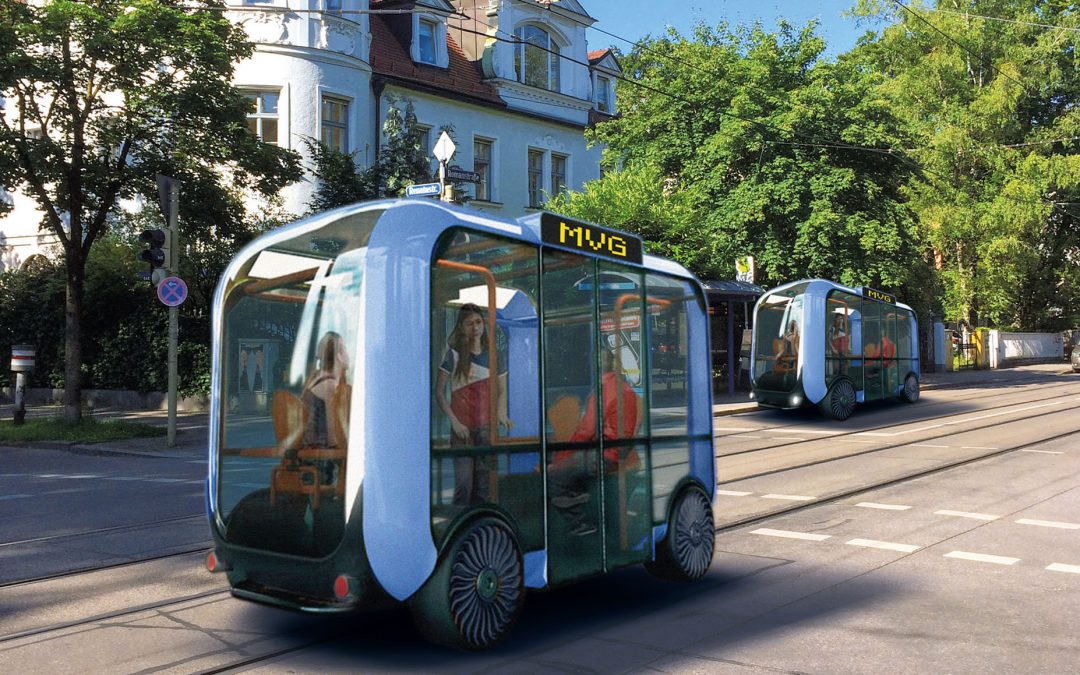
(Munich, 24th May 2023) DB company ioki provides on-demand technology • Pilot operation of automated shuttles planned for 2025 • Deep integration of on-demand service in MaaS platform of the city of Munich
27. Apr. | News
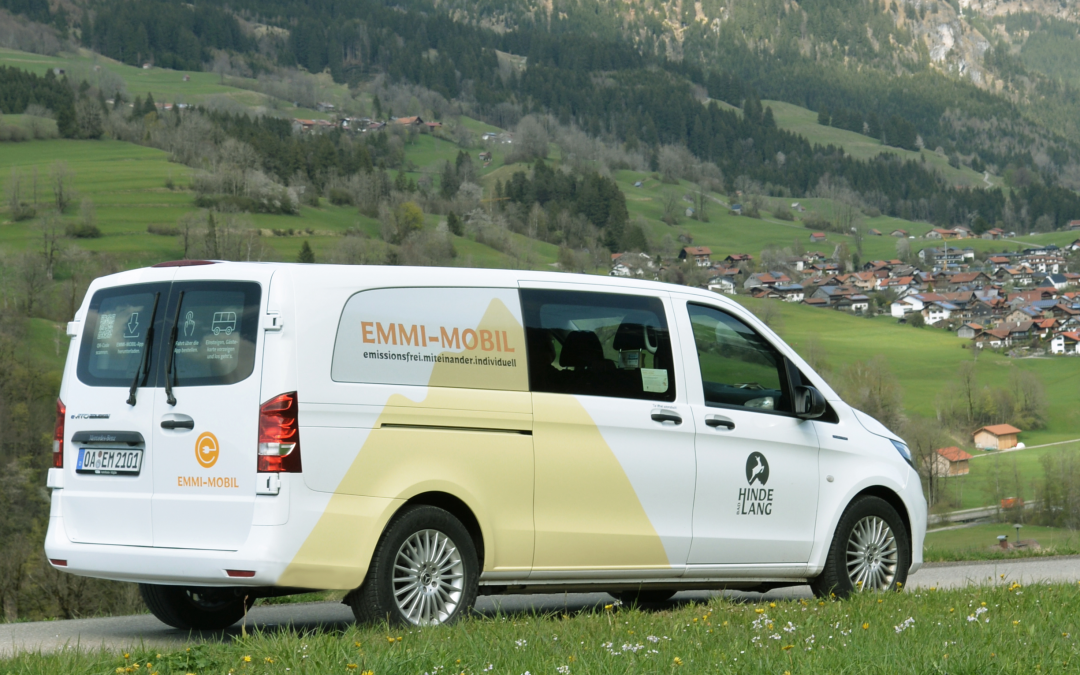
(Bad Hindelang/Frankfurt, 27th April 2023) Mobility concept on demand with new app from ioki • Public transport offer for the first and last mile at the holiday destination • EMMI-MOBIL is considered a beacon project for tourist, car-free mobility
27. Apr. | Customer Stories
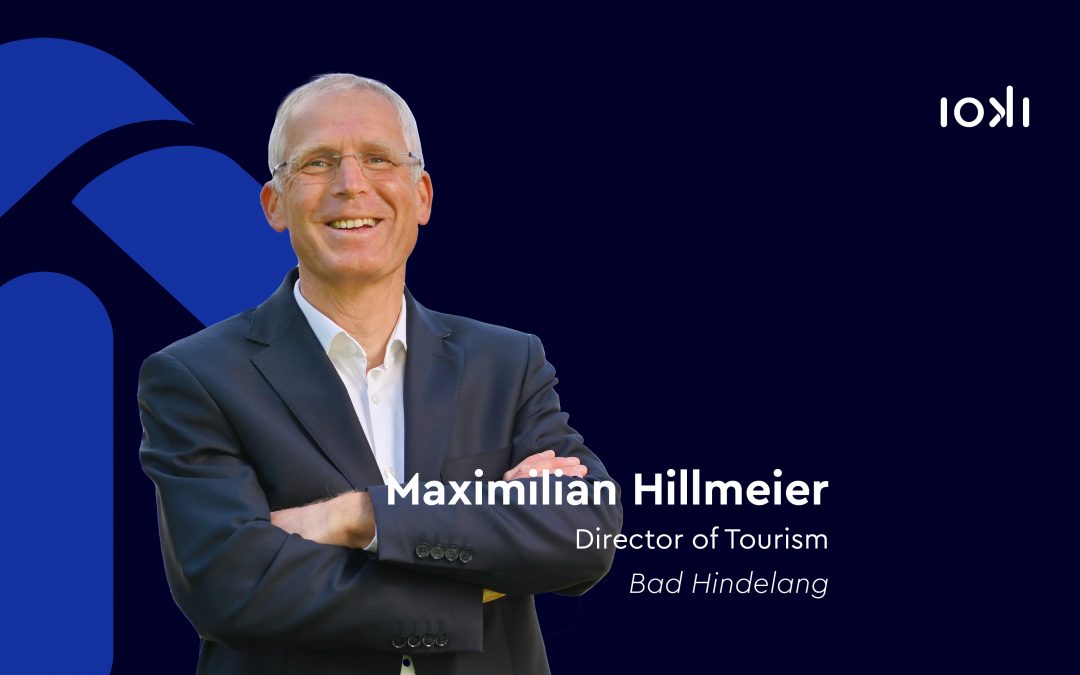
Since December 2021, EMMI-MOBIL has been driving with two electric minibuses through the municipal area of Bad Hindelang. By doing the service is supplementing the existing public transport service as an on-demand service in order to offer an attractive flexible and free-of-charge mobility solution, especially for the guests of the Allgäu holiday region. A good reason for ioki insights to ask Maximilian Hillmeier, tourism director of Bad Hindelang, how demand-responsive mobility can be successfully established as part of a sustainable tourism strategy and how the future of mobility in holiday regions can look like.
25. Apr. | Mobility Insights
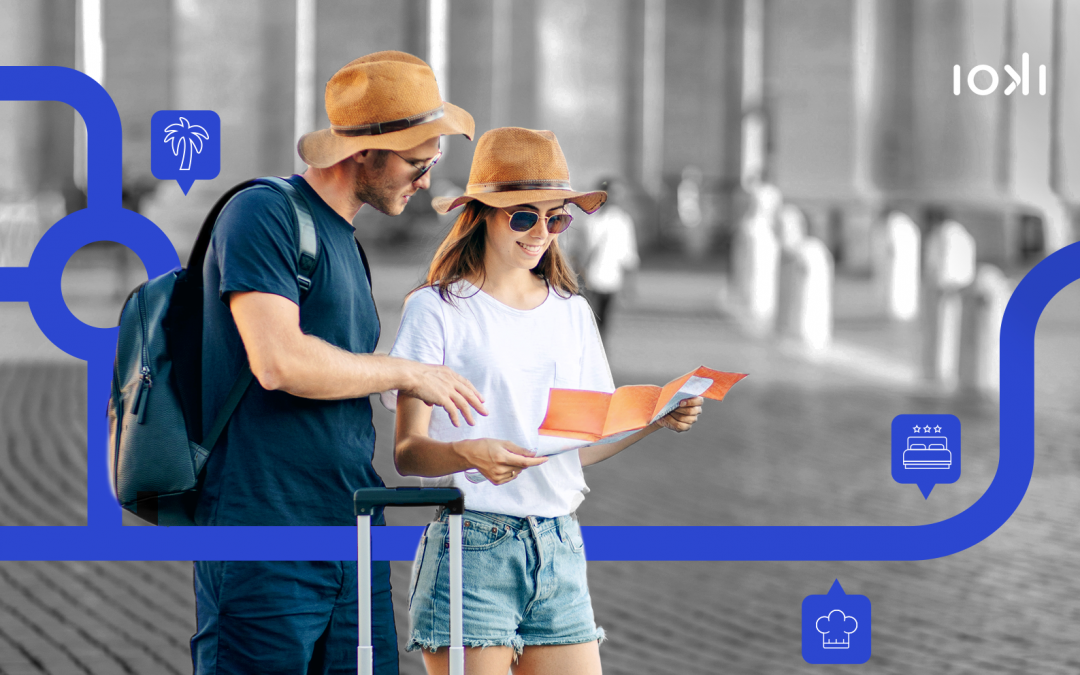
Holidays without mobility are only possible on staycations, because no matter whether it’s a day trip, an annual holiday or a long-term trip: Travelling means being mobile. In order to achieve the climate protection goals and to advance the traffic turnaround, tourist traffic should also be critically examined, because Germans like to travel a lot.
29. Mar. | ioki Stories
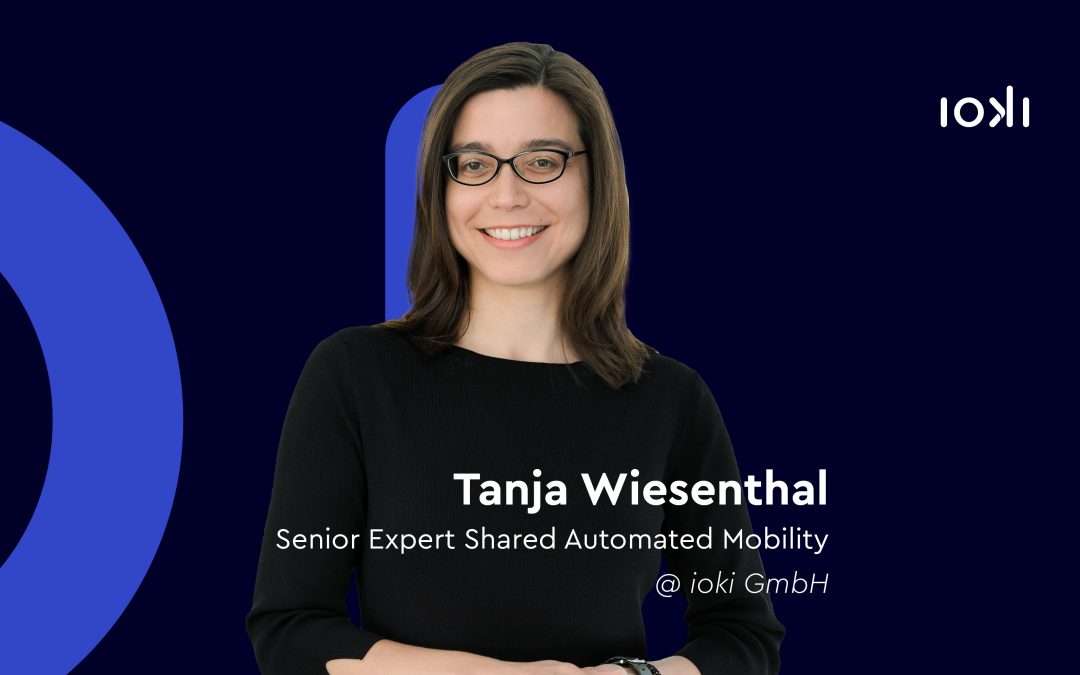
As Senior Expert Shared Automated Mobility at ioki, Tanja Wiesenthal is already working today on the future of tomorrow. ioki has been one of the pioneers of autonomous driving in public transport since the beginning and covers all the necessary processes for driverless public transport, from app development and the algorithm for ridepooling to operational platform op-eration. Tanja Wiesenthal worked for SAP before and has been working for ioki since 2020, where she is responsible for the procedural and technical conception of ridepooling with au-tonomous vehicles at ioki.
29. Mar. | Mobility Insights
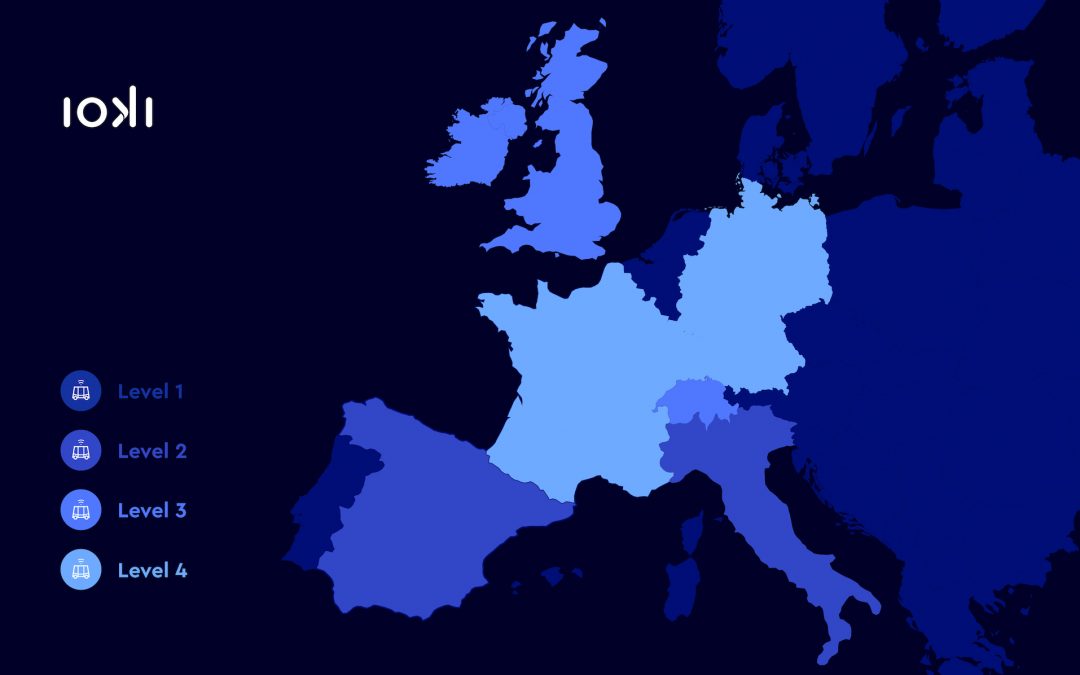
Autonomous mobility is no longer a utopia; it is already reality and a key technology in today’s world. Worldwide, and especially in Europe, research and testing are being carried out on autonomous mobility – this holds great potential in terms of improving individual mobility thanks to increasingly efficient services while also providing a way of reducing private transport.