16. Feb.. | Mobility Insights
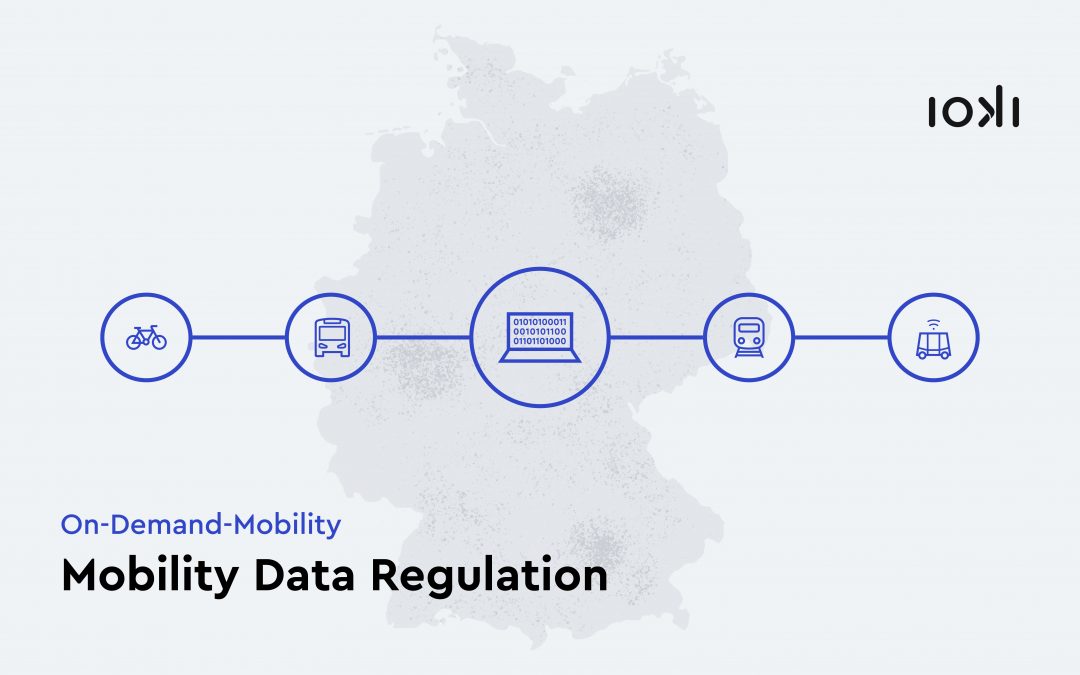
Last September, the starting signal was given for the large-scale use of mobility data in transport planning. The Federal Council has agreed on the implementation of the German Mobility Data Regulation. The new regulation makes it possible to make German mobility data available on the so-called Mobility Data Marketplace. For companies from the mobility sector, the new regulation enables access to data sets which were not available before. Through the use of these data sets in the mobility sector, customers will benefit from new, data-driven mobility concepts that are precisely tailored to the actual mobility needs on site.
9. Feb.. | Mobility Insights
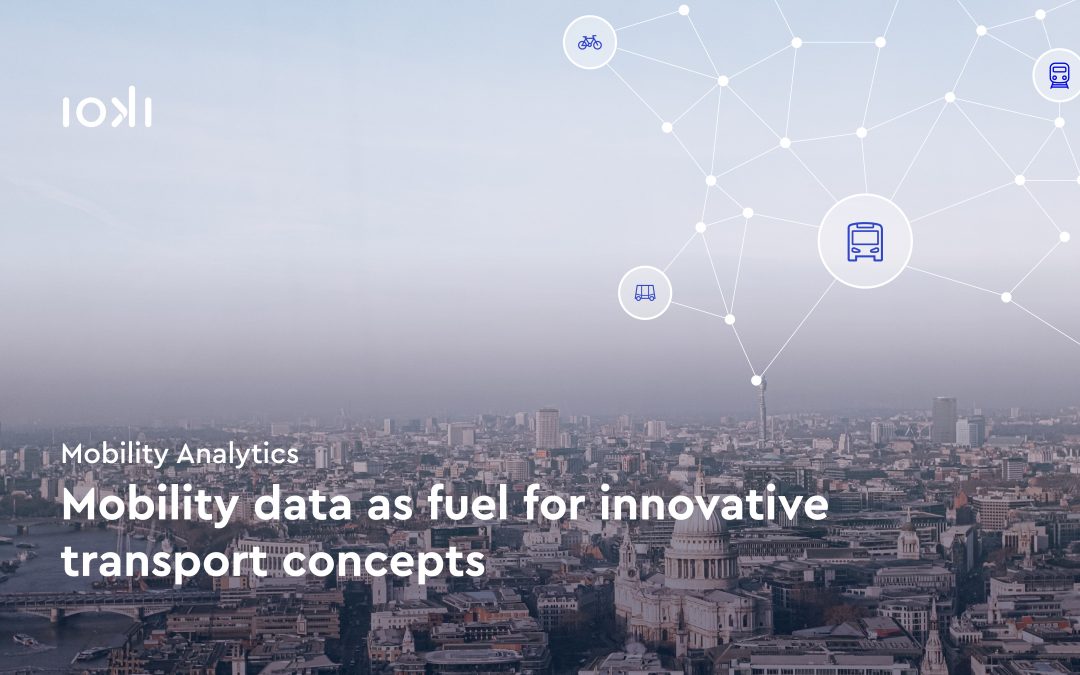
The desire for flexible, sustainable and above all contemporary mobility solutions is stronger than ever before. Digitalisation and the associated use of data are driving the further development of exactly these mobility solutions. Complex analytical models make it possible to link data from different sources, evaluate data quantities and obtain results in real time. Mobility and traffic data are thus the fuel for a demand-oriented, automated and above all customer-centric public transport system. But to what extent are digital and data-based applications changing the public transport sector?
9. Feb.. | Mobility Insights
Der Wunsch nach flexiblen, nachhaltigen und vor allem zeitgemäßen Mobilitätslösungen ist heute so laut wie noch nie zu vor. Die Digitalisierung und damit einhergehend die Nutzung von Daten treibt die Weiterentwicklung genau dieser Mobilitätslösungen voran. Komplexe Analysemodelle ermöglichen es, Daten verschiedener Quellen miteinander zu verknüpfen, Datenmengen auszuwerten und Ergebnisse in Echtzeit zu erhalten. Mobilitäts- und Verkehrsdaten sind somit der Treibstoff für einen bedarfsgerechten, automatisierten und vor allem kundenzentrisch ausgerichteten ÖPNV. Doch inwiefern verändern digitale und datenbasierte Anwendungen den Sektor des öffentlichen Verkehrs?
9. Feb.. | News
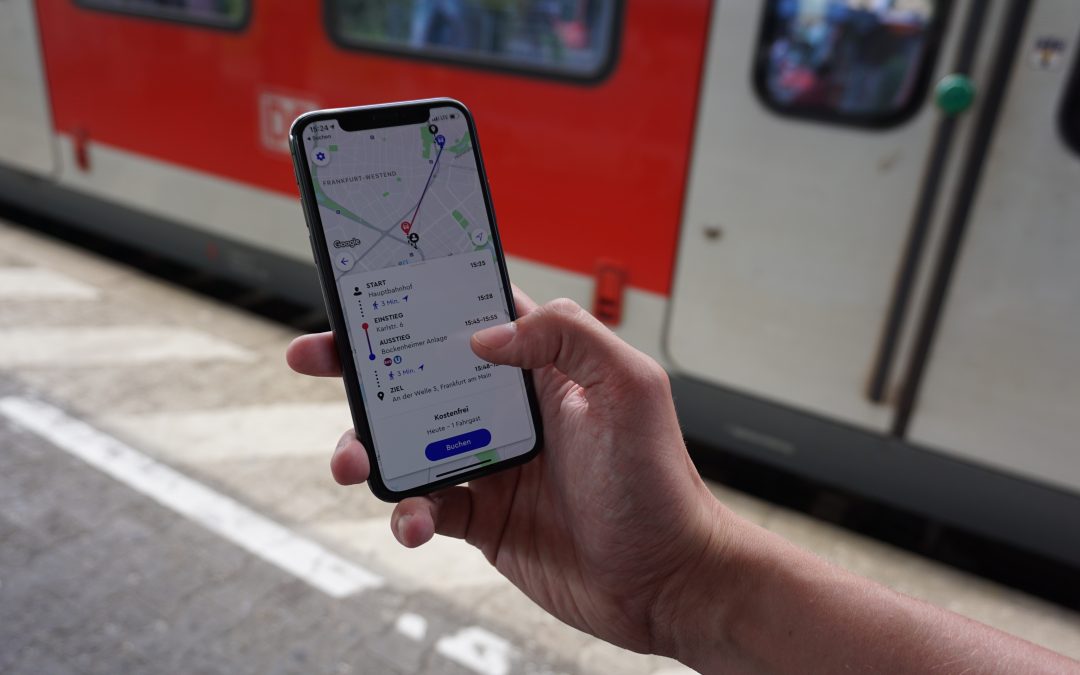
(Frankfurt, 9th February 2022) Deutsche Bahn’s software company successful in the pandemic • ioki remains market leader for on-demand mobility in DACH region • Data-driven and digital mobility solutions determine the future
9. Feb.. | News
(Frankfurt, 9th February 2022) Deutsche Bahn’s software company successful in the pandemic • ioki remains market leader for on-demand mobility in DACH region • Data-driven and digital mobility solutions determine the future