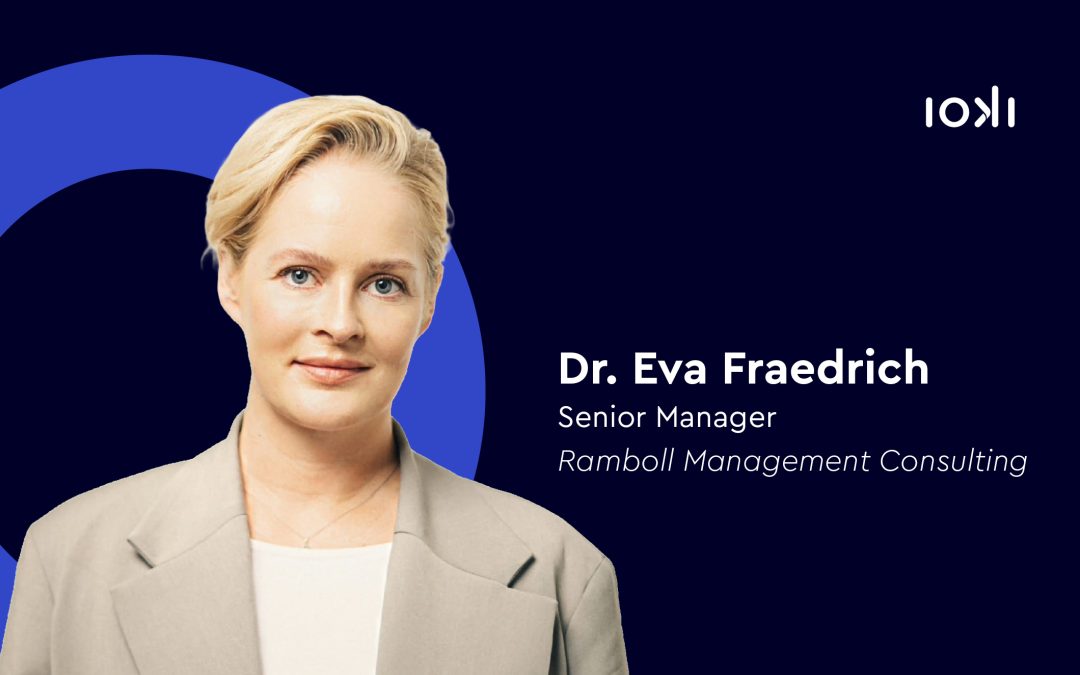
12. Jun. | Mobility on demand, Perspectives
Eva Fraedrich of Ramboll Management Consulting has been studying the impact of on-demand transportation services on public transit for years. Drawing on the most comprehensive dataset to date, she and her team have determined when on-demand transportation services can be successfully implemented in public transit. Among others, ioki provided the data on the on-demand transportation services examined for these studies.
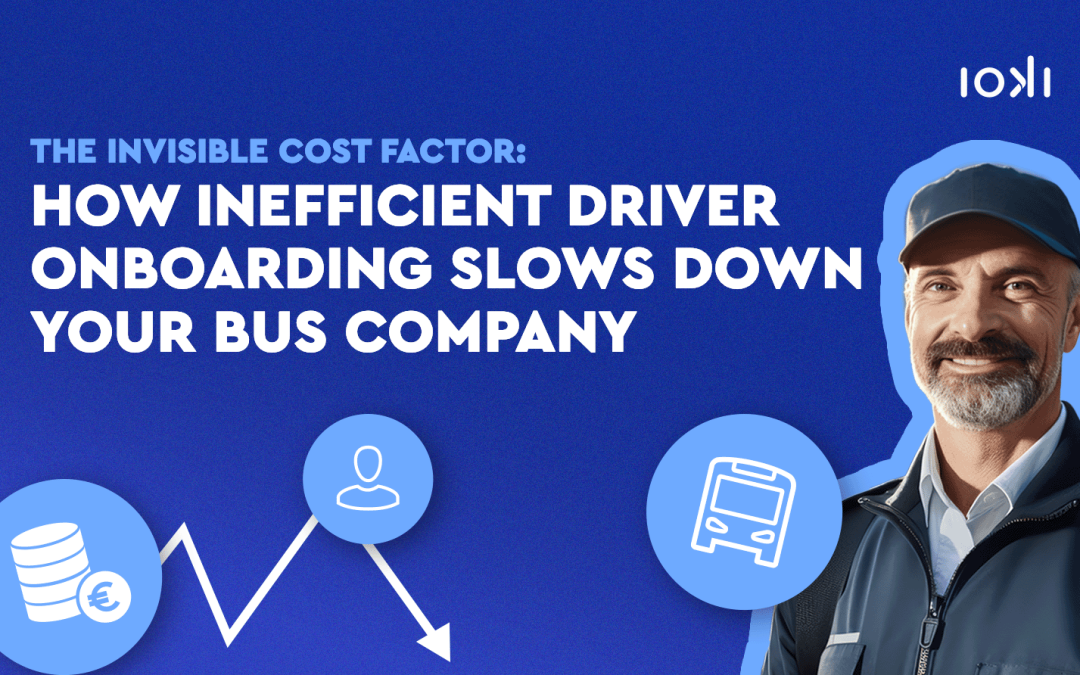
21. Jan. | ioki Route, Product Insights
Today, bus companies are facing enormous challenges. The shortage of qualified drivers is an urgent issue that threatens the efficiency and safe operation of public transport. According to the Federal Association of German Bus Companies (BDO), there is already a shortage of around 20,000 bus drivers across Germany, and this number could rise to as many as 65,000 by 2030 if no countermeasures are taken. In Europe, the figure is even higher, with 105,000 unfilled positions for bus drivers, as evidenced by the IRU’s 2023 European Bus and Coach Driver Shortage Report. Over 80% of companies report significant or very significant difficulties in filling open positions. A central aspect that is often overlooked is the inefficient onboarding of new driving staff, which not only costs time and money but also increases turnover and poses potential safety risks.
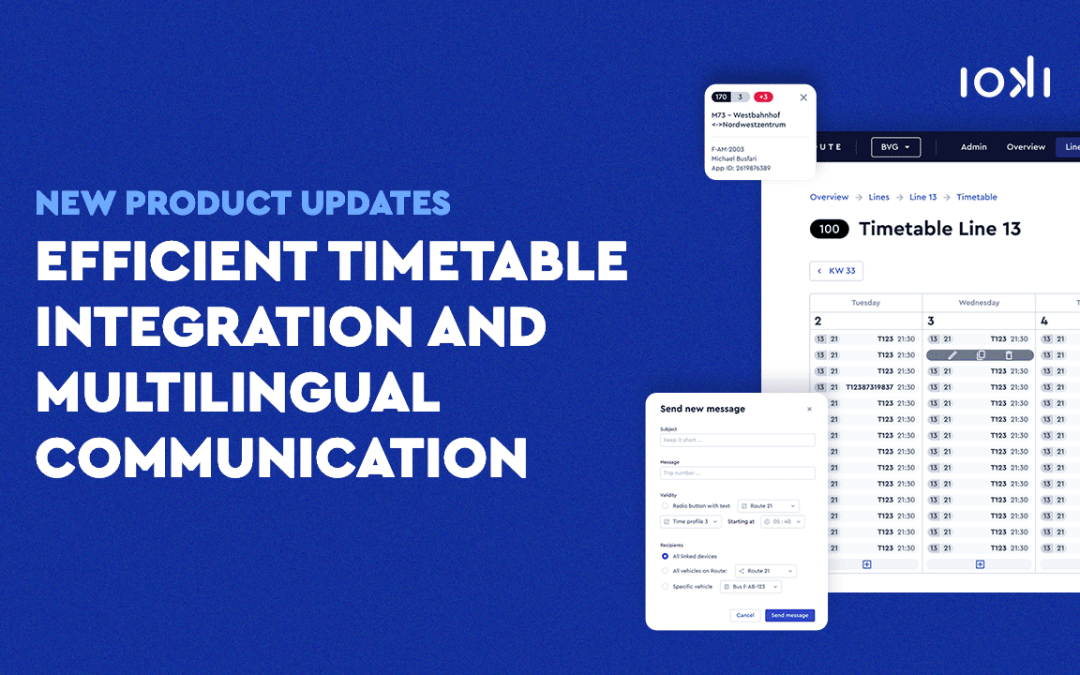
21. Jan. | ioki Route, Product Insights
In the dynamic world of public transport, ioki is taking another step toward digital transformation: our new generation of software for ioki Route is improving communication and planning between drivers and control centres. With two key features—timetable integration and driver messaging—we are setting new standards for efficiency and collaboration in public transport.
13. Oct. | ioki Stories
Imagine a city where citizens purchase their bus ticket directly through a service app, book an on-demand shuttle, and effortlessly switch between various modes of transport – without needing additional apps or complex logins. This vision was presented by our colleague Maximilian Rütten and Linus Frank from our partner Vesputi at the Smart Country Convention (SCCON) 2025.
19. Sep. | ioki Stories
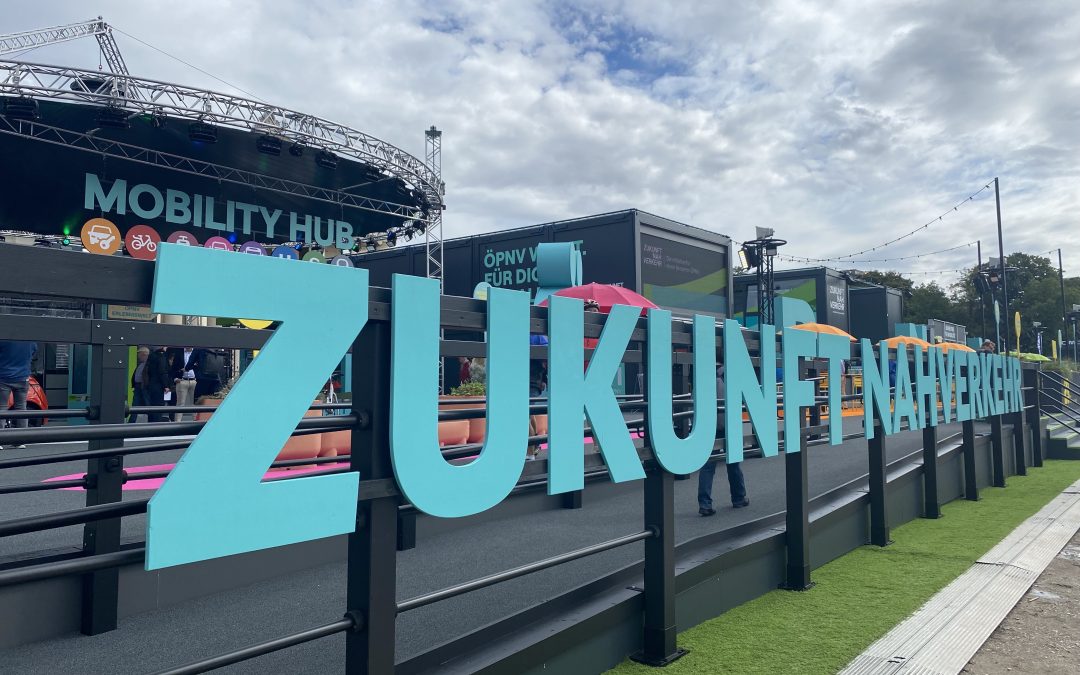
Last week, Munich was the hub of the mobility world, hosting several mobility events such as IAA Mobility, the Zeit Conference “New Mobility” and Zukunft Nahverkehr as an open space on Königsplatz – the Bavarian capital became the scene of intensive discussions about the mobility of tomorrow. We were right in the thick of things, gaining an understanding of what is driving mobility
17. Apr. | Customer Stories
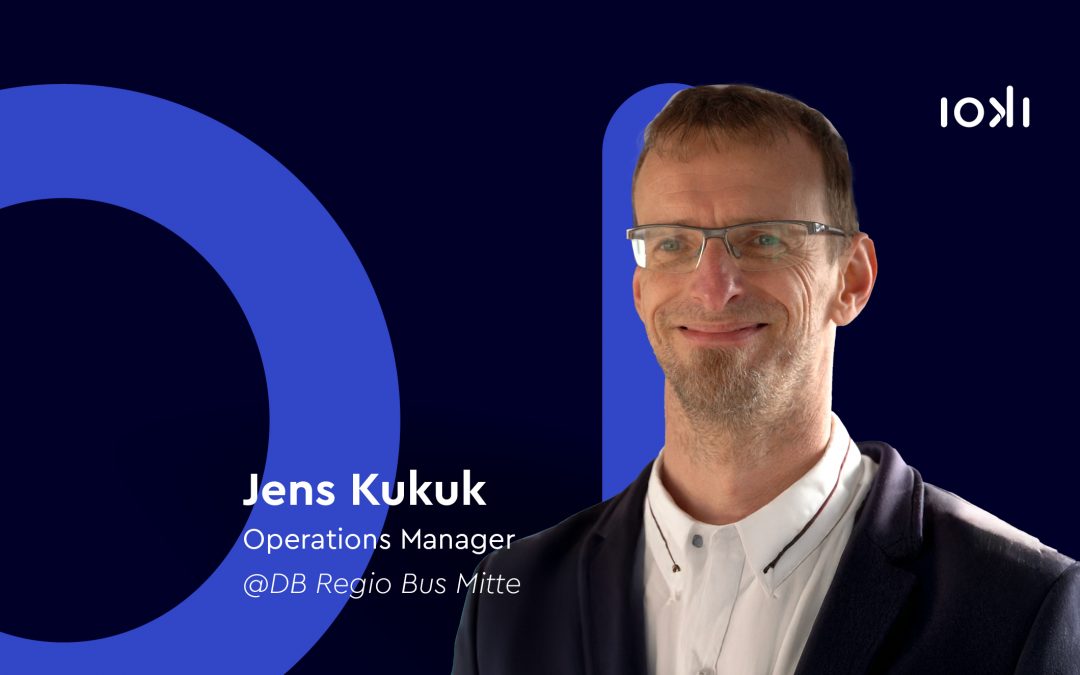
Simple, flexible, dependable – high demands are placed on both the control centre and the drivers in bus operations. It is helpful when you can count on reliable software for route management and navigation. Since December 2023, our ioki Route software has been in operation in Speyer. We spoke with Jens Kukuk, Operations Manager at DB Regio Bus Mitte GmbH, about their experience with ioki Route. He explains how the software has changed the daily working routine of drivers on their bus routes and shares his insights from over a year of practical implementation.
17. Apr. | Mobility Insights
Mobility simulations are digital tools that show how people move around a city or region. In Germany, with its population of over 80 million people, traffic is so complex that we can never capture it completely. Mobility simulations help us build a comprehensive picture despite this challenge.
27. Mar. | Customer Stories
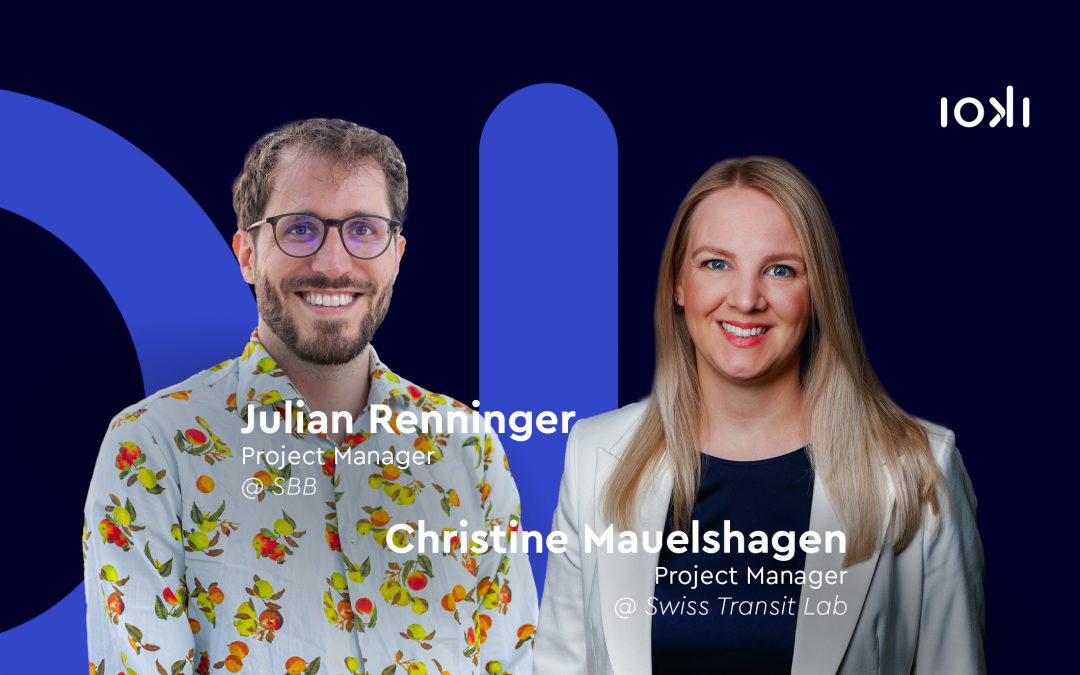
At the end of November 2024, the Canton of Zurich and SBB announced a pilot project for automated driving in public transport in Furttal near Zurich. The aim of the project is to gain practical insights into automated mobility services in public transport. The Swiss Transit Lab is responsible for the project management. As ioki, we provide the on-demand software for the future project. In our latest “Perspectives from” we talk to the project managers Julian Renninger (SBB) and Christine Mauelshagen (Swiss Transit Lab) about the most recent project for autonomous driving in Switzerland.
20. Mar. | Mobility Insights
Railway stations of the future (known in German as ‘Zukunftsbahnhöfe’) are modern mobility hubs that go far beyond the classic function of a train station. Deutsche Bahn is developing stations across Germany into these innovative mobility hubs as part of its ‘Zukunftsbahnhof’ programme, focused on three key characteristics: customer-oriented for greater attractiveness, high-performing to accommodate more travellers, and sustainable in construction and operation. As part of this targeted modernisation programme, selected stations are being developed into attractive transport hubs according to uniform standards.