
6. Jul. | Mobility Insights
Don’t worry, in this article we will not refresh the basics of business studies again. Rather, we would like to examine the extent to which the theory, which may already be somewhat dusty but is still valid and authoritative, can be combined with our daily practice, the transformation of public transport.
22. Jun. | Mobility Insights
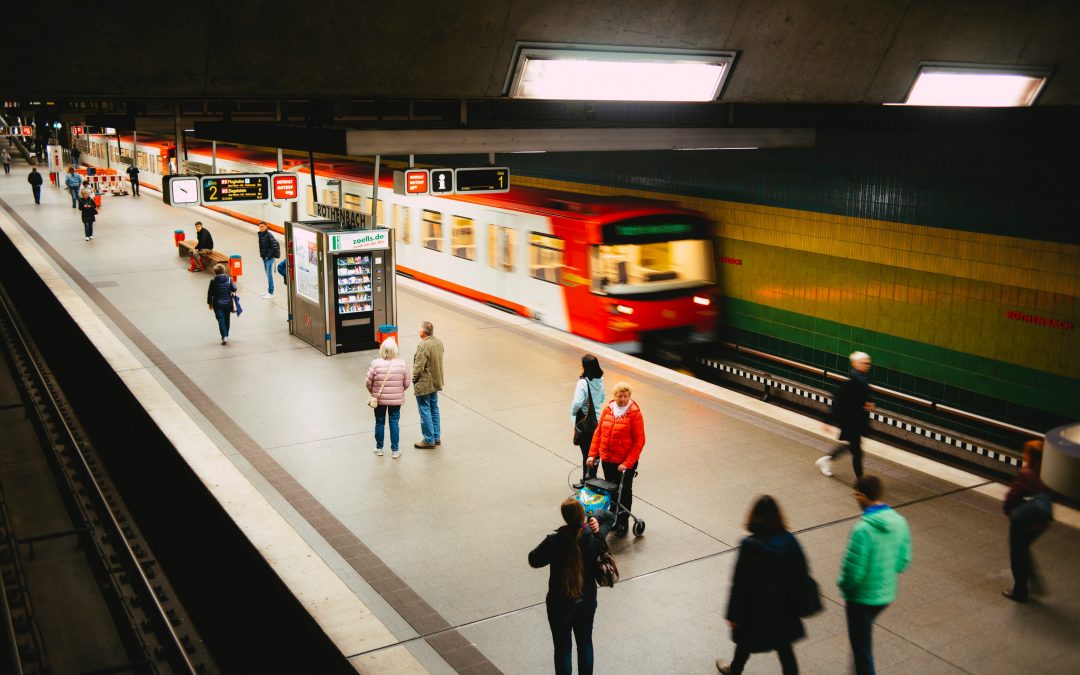
Mobility is often still a resource-intensive undertaking – in every respect: Too many cars on the road cause a high level of environmental pollution, loosely set timetables mean an immense loss of time and excessively large containers and empty runs – especially in rural areas and at off-peak times – take their financial toll.

19. Jun. | Mobility Insights
Better air, blue skies and significantly fewer vehicles on the roads: The Corona crisis has given our planet a little well-earned rest. This is because of the positive effects in terms of lower CO2 emissions during the pandemic. A recent study shows that the restrictions on public life have also reduced global emission numbers drastically.

17. Jun. | Customer Stories
Joachim Rodenkirch has been the mayor of the district town of Wittlich since 2009. A town with 20,000 inhabitants, which offers almost as many jobs, making Wittlich the economic powerhouse between Trier and Koblenz. Rodenkirch studied forestry, is a member of the district council and represents the interests of medium-sized towns on the board of the Rhineland-Palatinate Association of Towns and Cities. As mayor he has both witnessed and promoted many developments in the city. In 2018 the innovative project Wittlich Shuttle was launched.

8. Jun. | Customer Stories
Dr. Olga Nevska is Managing Director at Telekom MobilitySolutions. As a full-service provider and wholly owned subsidiary of Telekom, Telekom MobilitySolutions provides a comprehensive range of efficient, economical and sustainable mobility services tailored to customer needs. The portfolio ranges from classic fleet solutions with vehicles tailored to customer needs, including expansions, to employee mobility solutions.
With a doctorate in economics and law, she has been working for Deutsche Telekom AG in various positions since 2009: Controlling and Commercial both in Germany and internationally.

4. Jun. | Blog EN, Blog Standard
The climate crisis has led to a shift in sustainable and innovative urban planning. Especially in large cities, where people fill the streets with life every day, it is important to offer citizens a space that strengthens and promotes a sense of community. Barcelona, the capital of Catalonia is like many other large cities also struggling with the consequences of urban life: full streets, noise and poor air quality.

28. May. | Mobility Insights
We are currently observing a greater change in the world of work than ever. While yesterday home office was an exception, today we work smoothly in virtual teams. At the same time, our approach to mobility is changing as well. In times of uncertainty, we need reliable and needs-based solutions that get us safely through (working) everyday life more than ever. This is a requirement that future-oriented employers have not only recently started to meet.

22. May. | Mobility Insights
Mobility is not only a prerequisite for economic growth, innovation and trade, but also for the personal well-being of people. It opens opportunities both for individual transport and for the community as a whole and is a global phenomenon with a local dimension. One mobility solution does not exist. In rural areas, for example, completely different mobility requirements can be identified compared to urban agglomerations. If we draw the line a little wider and look at mobility in an international comparison, it becomes clear that economic, cultural and geographical differences have a significant influence on our understanding of mobility.
15. May. | Mobility Insights
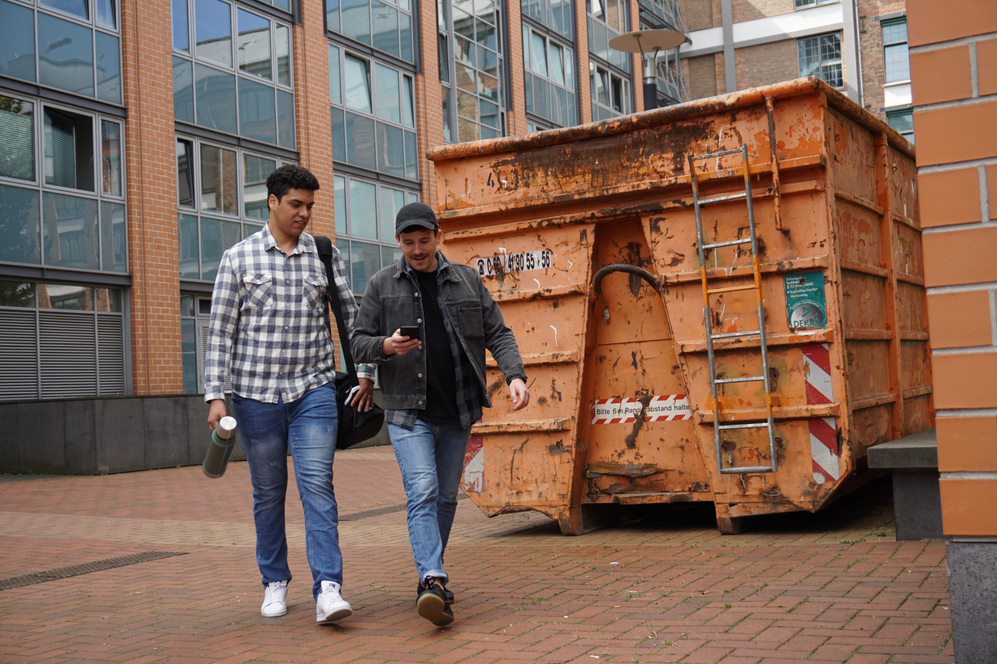
Most of us are familiar with it: The stress factor of commuting to work. Many people currently do without this trouble due to flexible home office solutions but un-der normal circumstances this is often the time-consuming and nerve-wracking part of the working day. Over 45 percent of employees commute to work every day.