31. Jan. | ioki Route, Product Insights
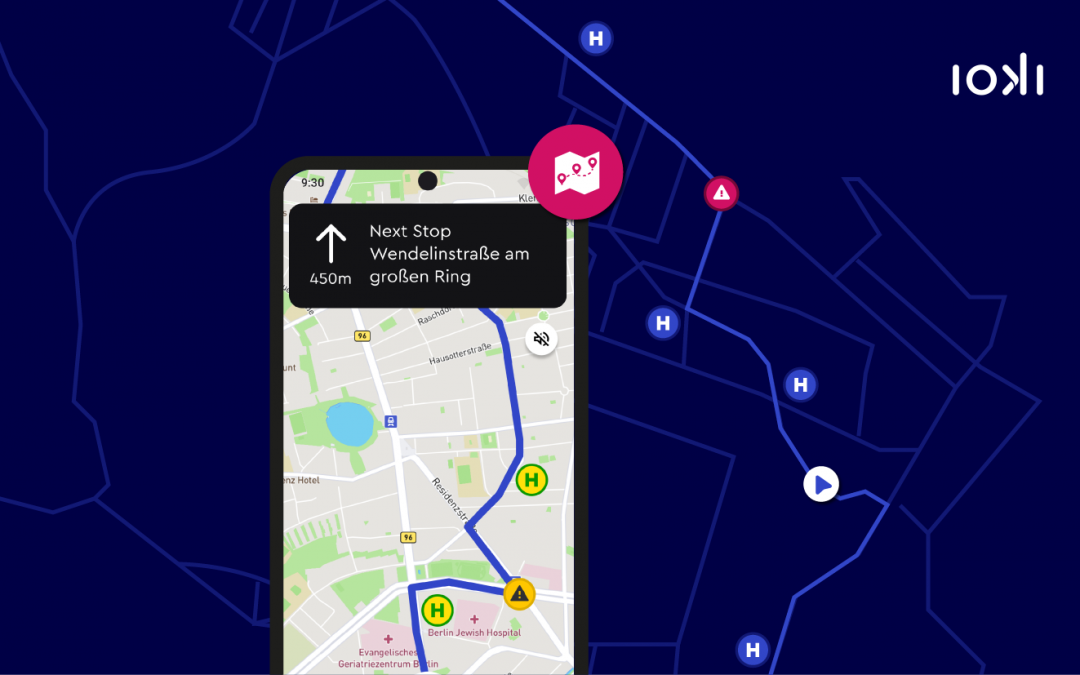
Anyone who has ever been in a foreign city, or who wants to get from A to B quickly in their own hometown, knows this: Just open a navigation app like Google Maps or Apple Maps, enter your starting point and destination, and off you go. If a road or footpath is closed, the apps will show you alternative routes. This is not so easy on a public bus, where you have to think about the dimensions of the bus and the stops, as well as the passengers. But how does it work on a scheduled bus route? How do the drivers know where the bus is going and, above all, what happens when roadworks block the regular route?

29. Jan. | ioki Stories
Few social issues are as relevant as diversity and the inclusion of everyone in everyday life. This topic is also firmly embedded in our corporate values and we are committed to a diverse and inclusive culture. In order to actively implement and live up to these values, we have set up an internal working group dedicated to the important topics of diversity and inclusion.
29. Jan. | ioki Stories
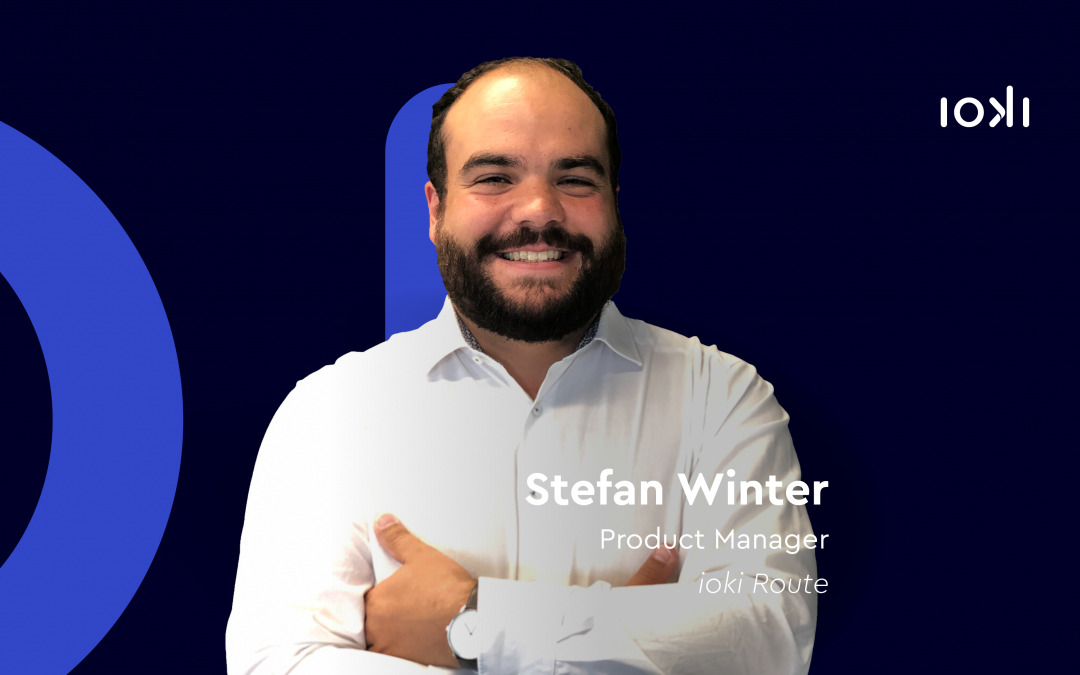
Stefan jumped on the ioki wagon about two years ago and has been Senior Product Manager at ioki ever since. As a trained mechanical engineer, he has also held positions in management consulting and as a product owner and product manager in industry. At ioki, he came into contact with the mobility industry for the first time and is currently dealing with the most important questions about our new product ioki Route. In this interview, he talks about his everyday life, what makes ioki Route special and what drives us at ioki. Have fun reading!
8. Dec. | ioki Stories
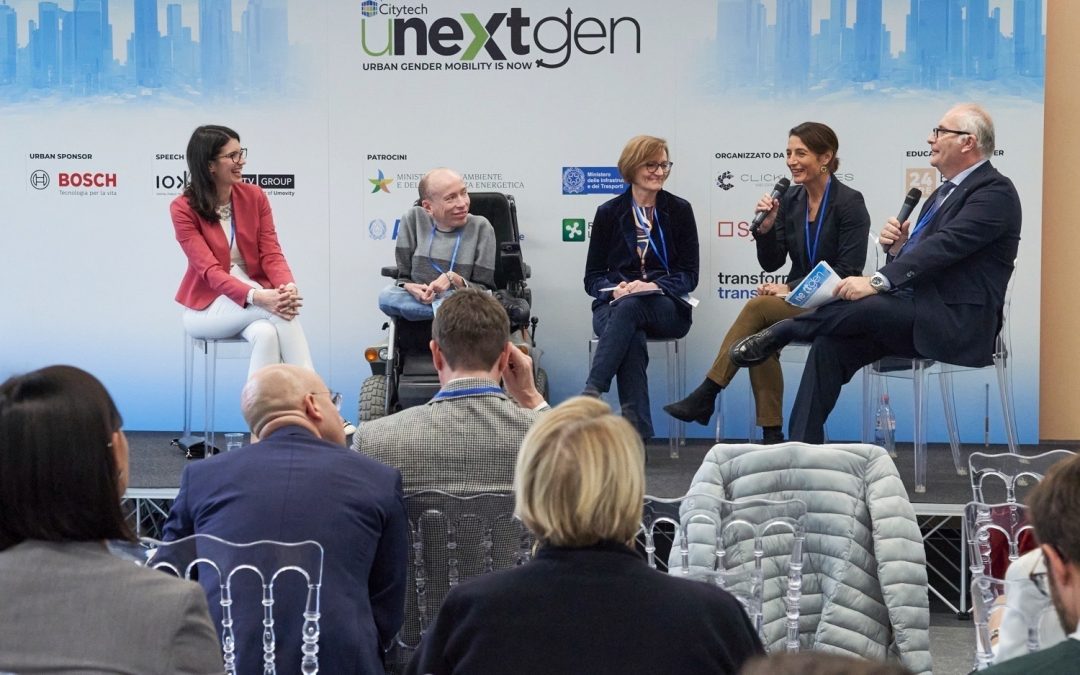
The Citytech UNextGen event in Milan has revolved around this question. The Head of Sales and Business Development at ioki, Laura Reupke, and our Sales and Business Development Manager Manuel Manzoni have attended the event and now look back to share some insights with us.
5. Dec. | Mobility Insights
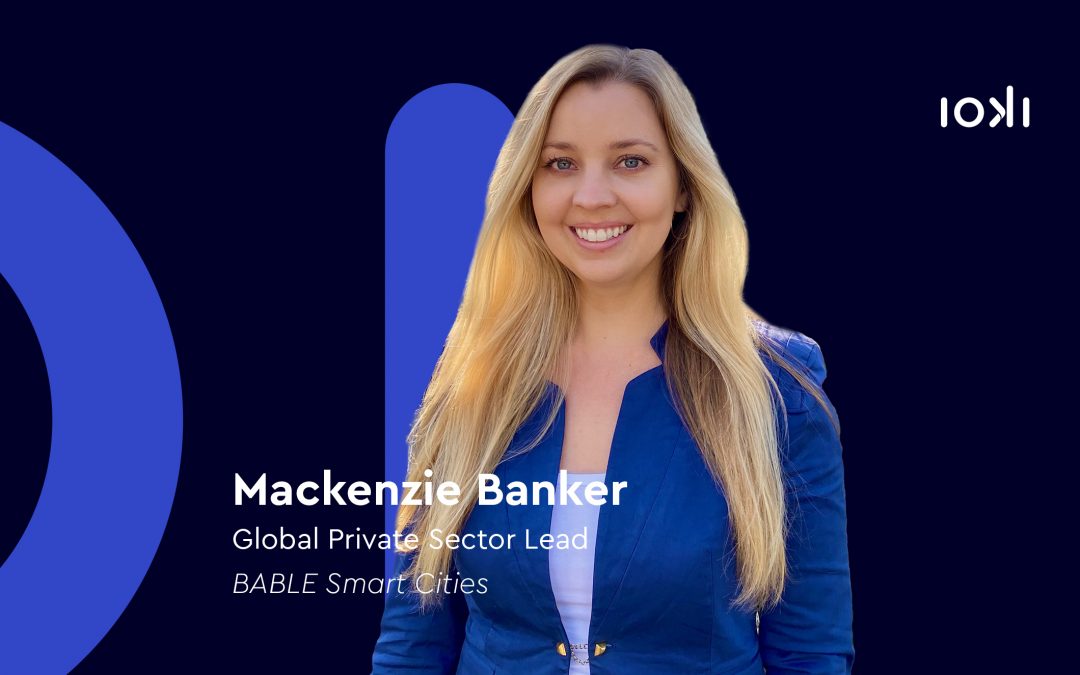
Smart mobility solutions use technology and innovation to improve mobility for everyone. Similarly, Smart Cities use innovative concepts and technological advancements to improve life in urban spaces. Both enable us to achieve the vision of more human-oriented and efficient places in cities.
22. Nov. | Mobility Insights
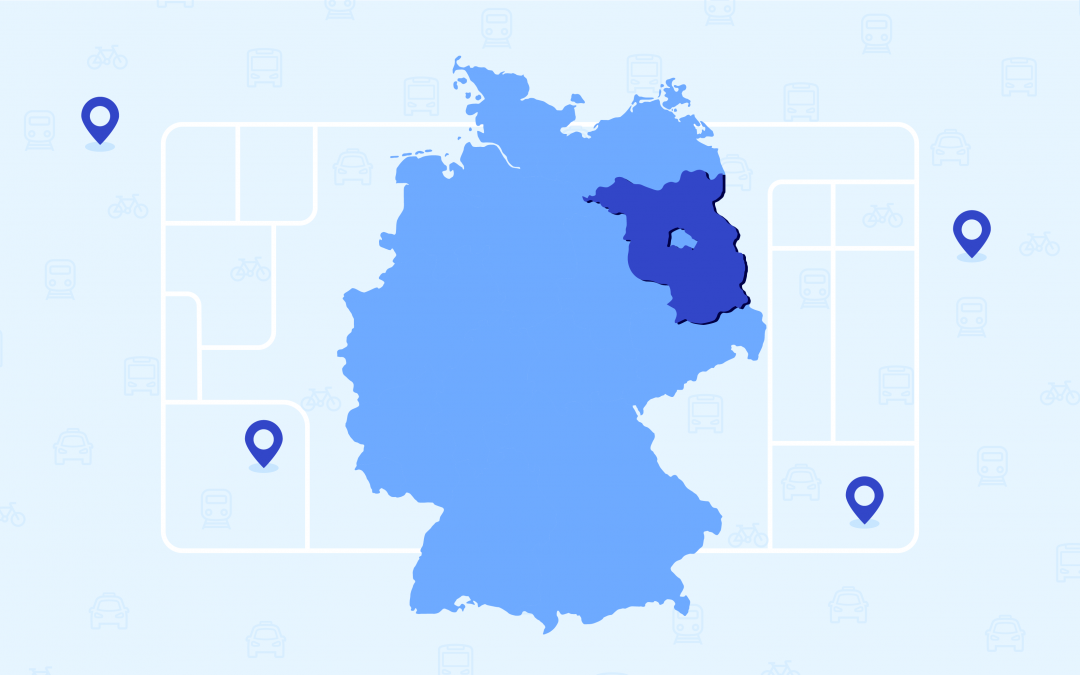
In this edition of the blog series “Mobility turn now!”, we are focusing on the largest of Germany’s eastern federal states relating to area: Brandenburg. In addition to the Spreewald cucumbers and unspoilt nature, Brandenburg has a lot to offer in terms of new mobility and Smart Cities.
22. Nov. | Mobility Insights
Mobility Hubs, also known as Mobility stations, are publicly accessible locations where various modes of transport and sharing services converge. These can be S-Bahn (suburban train) and subway stations in an urban context, or even a bus stop in the countryside where rental bikes are available or important bus routes intersect. At these stations, people can easily switch from one mode of transport to another. Mobility hubs promote efficient and sustainable mobility by offering various mobility services, otherwise known as Mobility-as-a-Service (MaaS). The concept can be expanded from a simple bus stop to large Mobility Hubs, for example, with a combination of on-demand transport, car sharing stations, or e-scooters.
7. Nov. | ioki Stories
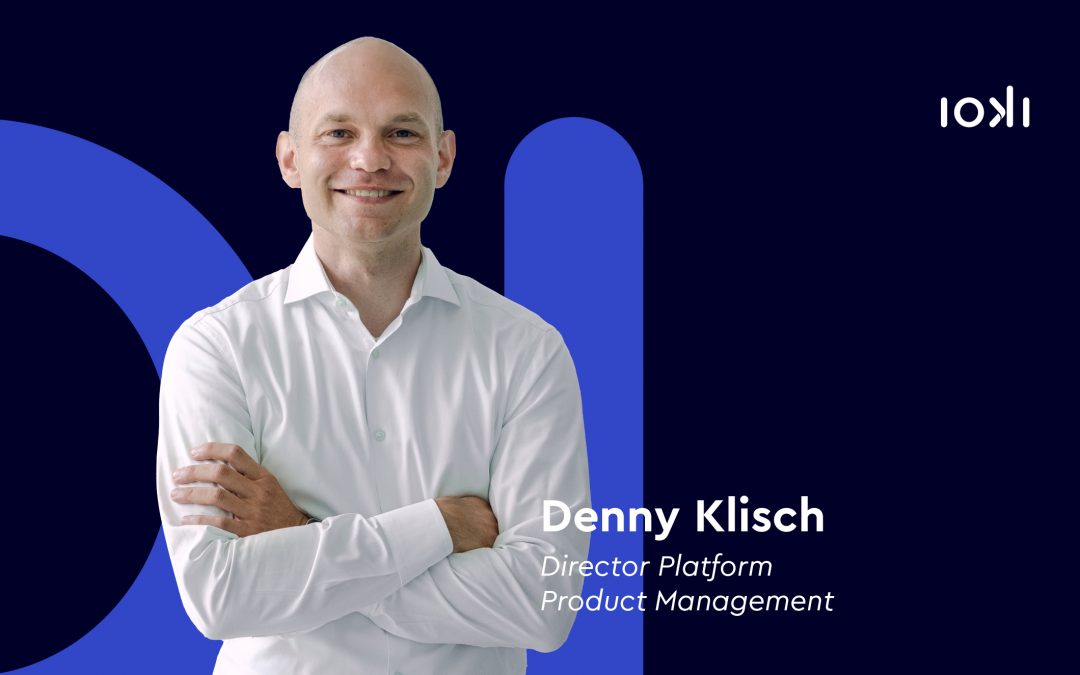
Denny is our Director Platform Product Management and an iokian from the start. Since 2017, he has supported the development of our on-demand platform in various roles. Denny is now responsible for Platform Product Management at ioki and regularly hosts Product Meetups in Frankfurt. For our “Perspectives from …” series, he returns to his roots and explains what the ridepooling approach at ioki is all about. If you want to know more about ridepooling, we recommend our blog post “What is ridepooling? Have fun reading!

26. Oct. | ioki Analytics, Product Insights
Demand-responsive transport based on the ridepooling concept is on everyone’s lips and has long been an important pillar of individual, public transport. Data-based transport planning is needed to realise the full potential of on-demand mobility. When transport companies want to start a new on-demand operation, they inevitably face the question of the right ridepooling design and the best balance between the costs and benefits of the flexible offer.