ioki | Website Systembild | Logo negativ

/ Reading: 2 min.

20. Apr 2020
/ Germany
Mobility Analytics: Planning urban and regional infrastructure
Beyond the horizon: mobility is more than just moving from A to B. It is the product of the infrastructure surrounding it, which limits or enables it.

To ensure that new mobility offers find fertile ground and have a lasting and holistically positive impact on our townscape and countryside, it makes sense not only to look at public transport, but also to look beyond it and to look around the area in question. 

For example by means of the following questions: 

  • Where are the charging stations for e-cars located? 
  • How well developed is the local station? 
  • What are the ideal locations for parcel centres, co-working spaces, car-sharing offers etc.? 

Together with Smart City, we get to the bottom of these questions and, based on a data-based analysis of selected areas, enable the tailor-made planning of new infrastructure measures that go beyond pure mobility solutions, but are linked in their effect and benefits to our claim of more mobility and less traffic for a sustainable future.   

For DB Station, for example, we analysed the status quo of charging points and corresponding infrastructure throughout Germany. The result? Already 1,000 stations have at least one loading point within 300 metres, five percent of which are fast loading points. In total, this means that a total of 3,500 electric cars can be loaded simultaneously in the immediate vicinity of the stations. 

And what problem can we analyse for you? 
Latest article

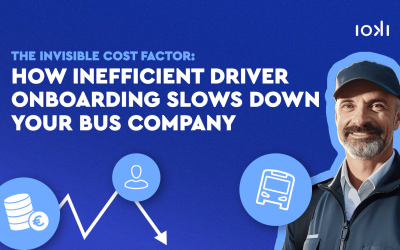
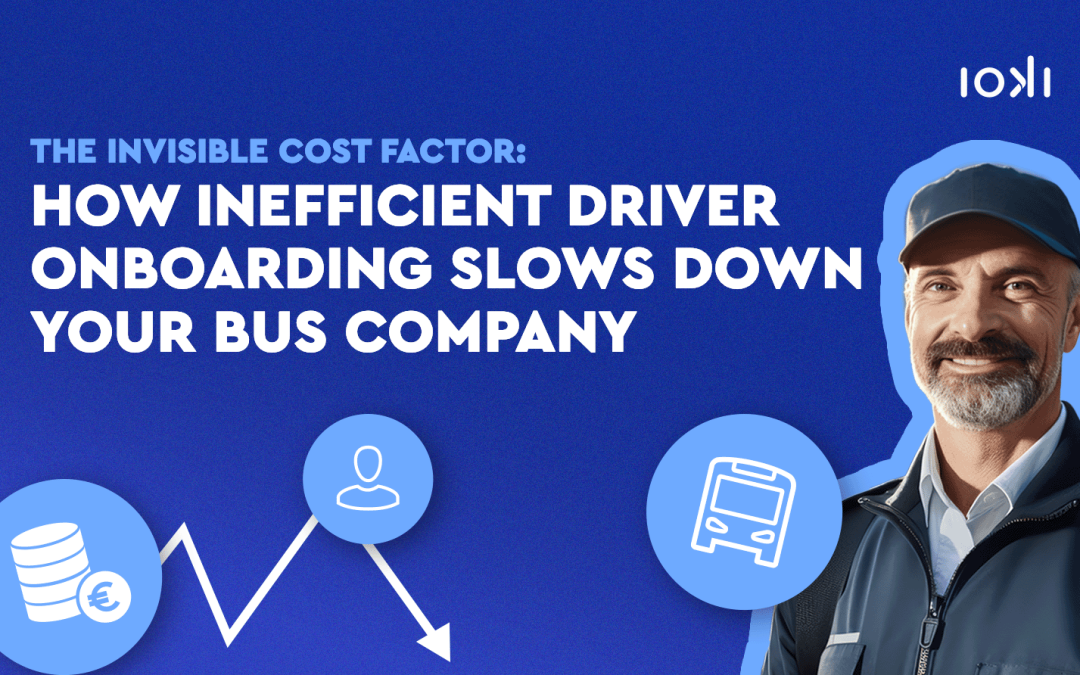
The Invisible Cost Factor: How Inefficient Driver Onboarding Slows Down Your Bus Company

The Invisible Cost Factor: How Inefficient Driver Onboarding Slows Down Your Bus Company

Today, bus companies are facing enormous challenges. The shortage of qualified drivers is an urgent issue that threatens the efficiency and safe operation of public transport. According to the Federal Association of German Bus Companies (BDO), there is already a shortage of around 20,000 bus drivers across Germany, and this number could rise to as many as 65,000 by 2030 if no countermeasures are taken. In Europe, the figure is even higher, with 105,000 unfilled positions for bus drivers, as evidenced by the IRU’s 2023 European Bus and Coach Driver Shortage Report. Over 80% of companies report significant or very significant difficulties in filling open positions. A central aspect that is often overlooked is the inefficient onboarding of new driving staff, which not only costs time and money but also increases turnover and poses potential safety risks.

Related articles

The Invisible Cost Factor: How Inefficient Driver Onboarding Slows Down Your Bus Company

The Invisible Cost Factor: How Inefficient Driver Onboarding Slows Down Your Bus Company

Today, bus companies are facing enormous challenges. The shortage of qualified drivers is an urgent issue that threatens the efficiency and safe operation of public transport. According to the Federal Association of German Bus Companies (BDO), there is already a shortage of around 20,000 bus drivers across Germany, and this number could rise to as many as 65,000 by 2030 if no countermeasures are taken. In Europe, the figure is even higher, with 105,000 unfilled positions for bus drivers, as evidenced by the IRU’s 2023 European Bus and Coach Driver Shortage Report. Over 80% of companies report significant or very significant difficulties in filling open positions. A central aspect that is often overlooked is the inefficient onboarding of new driving staff, which not only costs time and money but also increases turnover and poses potential safety risks.

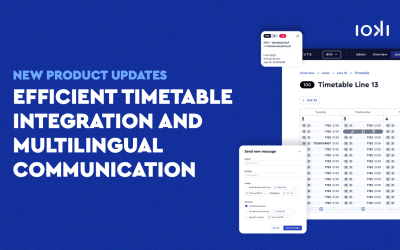
New Product Updates: Efficient Timetable Integration and Multilingual Communication

New Product Updates: Efficient Timetable Integration and Multilingual Communication

In the dynamic world of public transport, ioki is taking another step toward digital transformation: our new generation of software for ioki Route is improving communication and planning between drivers and control centres. With two key features—timetable integration and driver messaging—we are setting new standards for efficiency and collaboration in public transport.