22. Sep. | ioki Whitepaper
F. Klingenhöfer, Dr. M. Barillère-Scholz
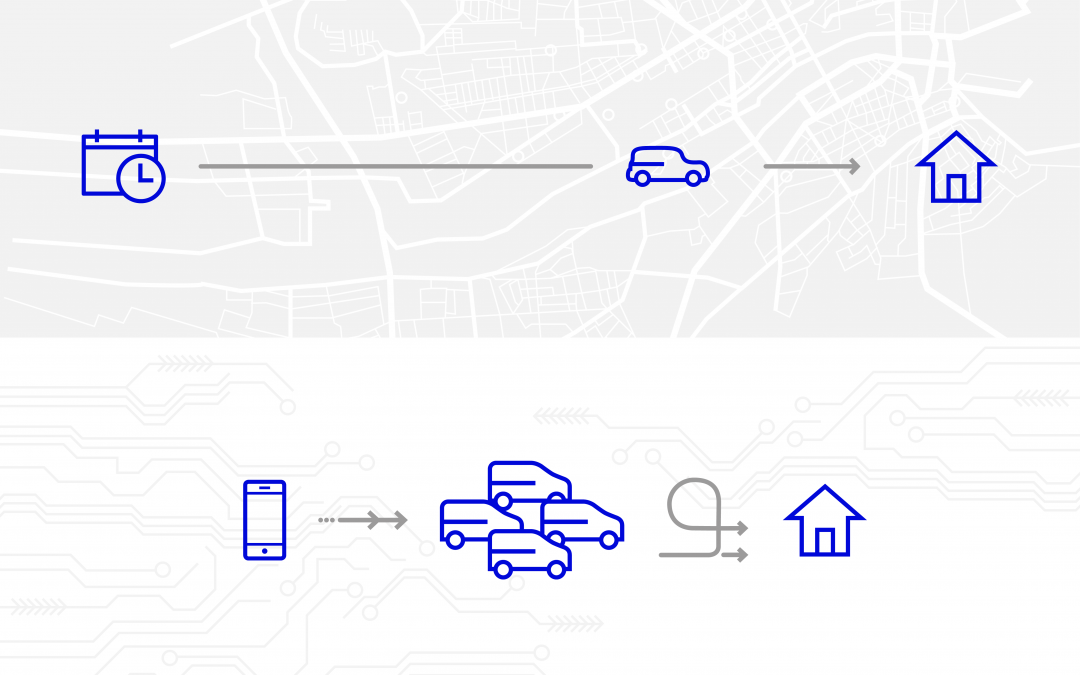
Rural areas are still lagging in terms of sustainable and needs-based mobility solutions. However, digitization is bringing existing concepts of flexible forms of operation such as call-gathering taxis and call-line buses back to life, as they can make a profitable contribution to the traffic turnaround.

4. Sep. | Mobility Insights
Vienna’s public transport system is among the best in the world. The network is dense and the frequency is tight. It is so well developed that you don’t even need to know the timetable. A total of 2.61 million people are transported from A to B by public transport here every day. The popularity can also be seen in the modal split, because: The public transport users have overtaken the car drivers. Around 38 percent of the distances are covered by public transport, while “only” 27 percent are covered by car. But what makes vienna different from other cities?
21. Aug. | News
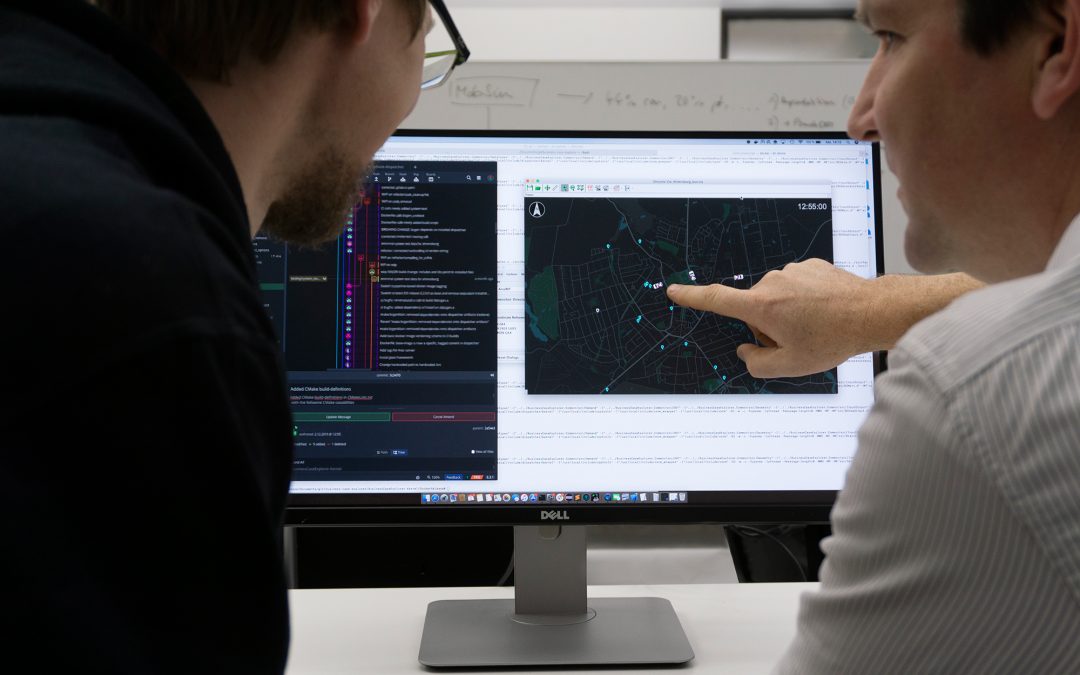
(Hamburg, August 21, 2020) Mobility analyses show new potentials of public transport • Winsen: 30 percent of journeys could be shifted from the road to climate-friendly public transport in the short term • Shuttles in Winsen, Ahrensburg and Stormarn about to start this year
20. Aug. | Mobility Insights
Jakob Muus is the founder and CEO of Tracks, a Berlin-based tech company with the goal of making road freight transport more efficient and sustainable through modern technologies. The platform developed by Tracks provides its users with analyses and recommendations for action, with which they can reduce the fuel consumption and CO2 emissions of their fleet. This not only improves the environmental balance but also the competitiveness of participating companies.

10. Aug. | Mobility Insights
An ever increasing urbanization of our society is clearly visible. Young people in particular are increasingly moving their centre of life from rural regions to the cities. In addition, there are many commuters who do not want to live directly in the urban jungle, but who find well-paid jobs mainly in the cities. This congestion in the cities and the associated additional traffic flows have consequences – especially for our increasingly grey planet. But what challenges must urban public transport face in times of the mobility change? And what role will it itself play in this?

5. Aug. | Mobility Insights
Whether in the city or in rural areas, everyone agrees on one thing: to protect our planet, we all need to become greener again. Not only in the household many people are making an effort to consume wisely and are once again considering whether they should use plastic bags or eat meat every day. There is also a rethink on mobility issues. Especially for Generation Z, travelling by plane is no longer “state of the art”. Last year, the DB recorded 150.7 million customer trips which also shows that many people care about their green footprint.

23. Jul. | Mobility Insights
Almost 16 million people live in rural regions throughout Germany. For them it is often a difficult task to get from A to B by public transport. After all, rural regions are at the back of the queue when it comes to expanding public transport. But why is the accessibility of these regions so poor and public transport hardly an alternative? How can it be guaranteed that people living in rural areas can also be mobile in a climate-friendly and cost-effective way?

17. Jul. | Mobility Insights
Tijen Onaran is the founder of the company Global Digital Women. Here, she is committed to the networking and visibility of women in the digital industry. In addition, Tijen advises companies on diversity issues, publishes articles in well-known media outlets such as Manager Magazine and moderates various events on topics of current interest to her.
16. Jul. | News
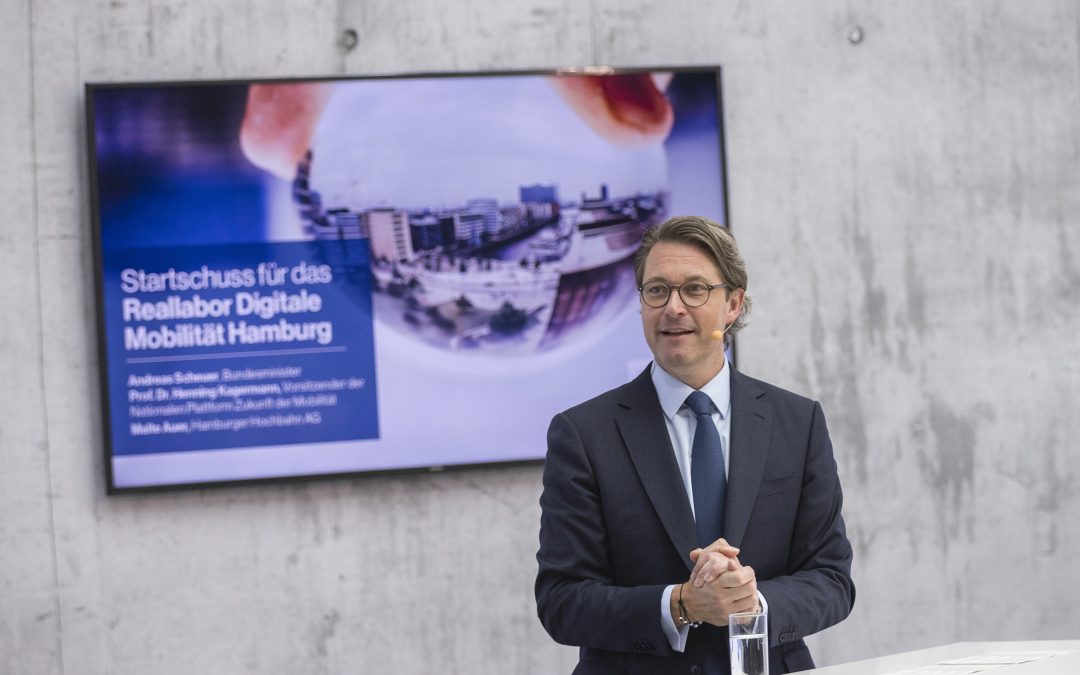
(Berlin/Hamburg, July 16, 2020) Project partners develop digital mobility solutions in and around Hamburg by the end of 2021 • Funding notice handed over by the Federal Ministry of Transport and Digital Infrastructure • ioki provides on-demand platform and mobility analytics know-how • Presentation of the results at ITS World Congress 2021 in Hamburg