1. Dez.. | News
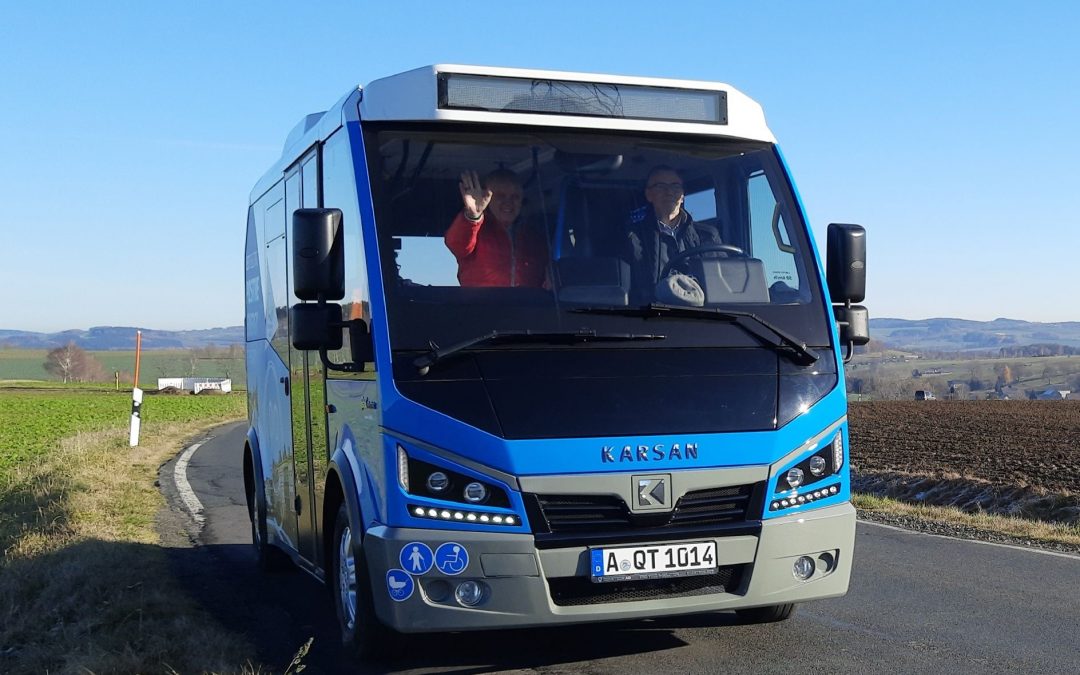
(Freiberg, 01. Dezember 2020) E-Shuttle im Quartier der Wohnungsgenossenschaft „Glück auf” Ehrenfriedersdorf eG soll etabliert werden • On-Demand-Verkehr, der bis zur Haustür genau routen kann • ioki App berücksichtigt Assistenzleistungen bei der Buchung
20. Nov.. | ioki Whitepaper
Accenture, Fjord, ioki
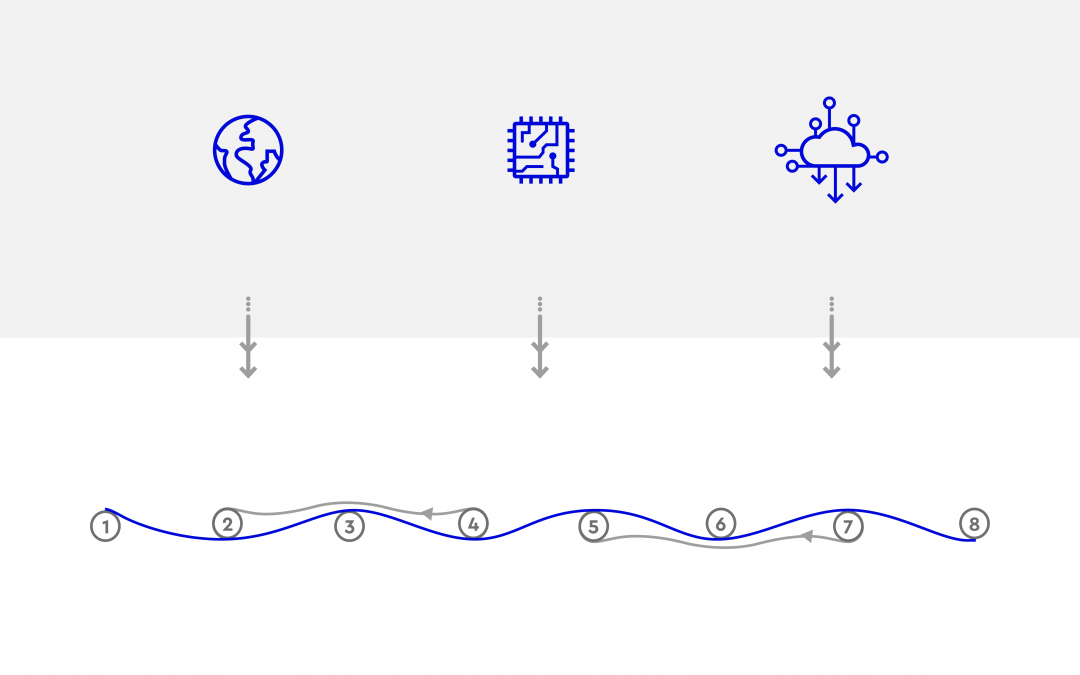
Mobilität ist ein vielschichtiges Konstrukt. Ihre Entwicklung wird nicht nur von einer immer stärker werdenden Digitalisierung beeinflusst. Auch Megatrends wie Urbanisierung, Neo-Ökologie, der demografische Wandel und ein stark wachsender Mobilitätsbedarf spielen eine Rolle.
18. Nov.. | News
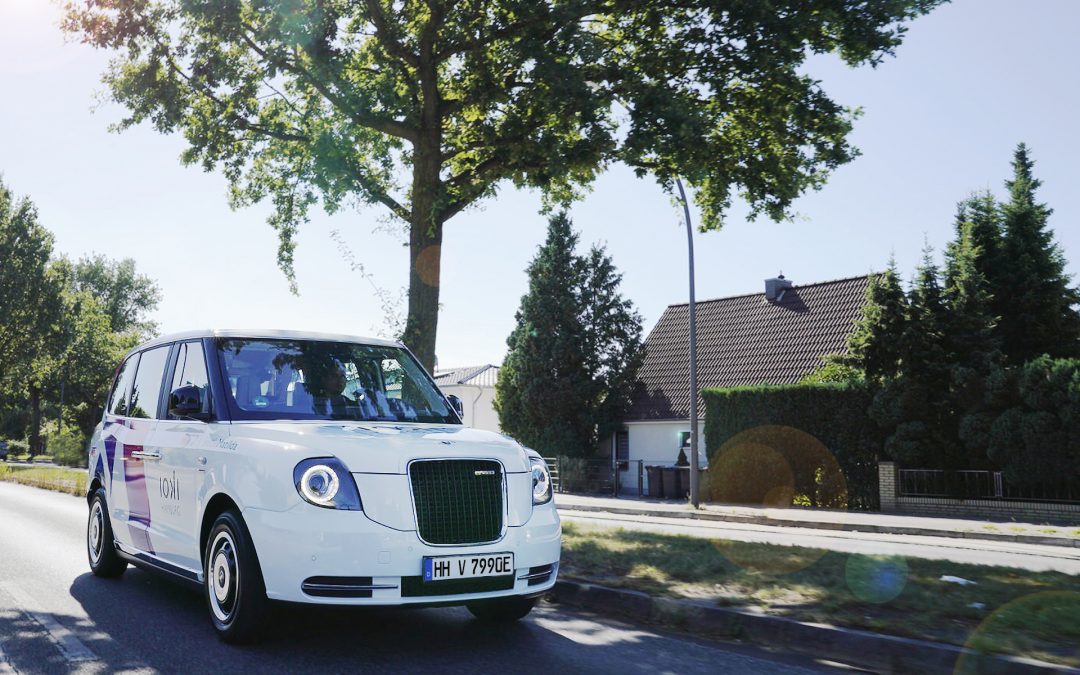
(Stormarn, 18. November 2020) Umweltfreundlicher Shuttle-Service von ioki und der Verkehrsbetriebe Hamburg-Holstein GmbH (VHH) verstärkt den ÖPNV im Landkreis Stormarn • Mobilitätsanalyse von ioki zeigt: On-Demand-Angebot erleichtert Alltagsmobilität für Pendler • Region Brunsbek/Lütjensee/Trittau wird im Rahmen eines Förderprojekts besser angebunden • Flotte mit vier Elektrofahrzeugen startet im Dezember
18. Nov.. | News
(Stormarn, November 18, 2020) Environmentally friendly shuttle service powered by ioki and Verkehrsbetriebe Hamburg-Holstein GmbH (VHH) strengthens public transport in the Stormarn region • Mobility analysis by ioki shows: on-demand offer improves commuter’s everyday mobility • Region Brunsbek/Lütjensee/Trittau will be better connected within the scope of a funding project • Fleet of four electric vehicles to start in December
18. Nov.. | News
(Stormarn, November 18, 2020) Environmentally friendly shuttle service powered by ioki and Verkehrsbetriebe Hamburg-Holstein GmbH (VHH) strengthens public transport in the Stormarn region • Mo-bility analysis by ioki shows: on-demand offer improves commuter’s everyday mobility • Region Brunsbek/Lütjensee/Trittau will be better connected within the scope of a funding project • Fleet of four electric vehicles to start in December

17. Nov.. | Mobility Insights
Betrachtet man unsere Gesellschaft ohne Vorwissen aus der Vogelperspektive, wirkt es so, als ob sich der Gedanke eines Planeten mit endlosen Ressourcen stark in der den Köpfen der Menschen manifestiert hat. Ein Musterbeispiel für diese Denkweise ist die heutige Nutzung des motorisierten Individualverkehrs. Möchte ich Autofahren setze ich mich in mein Auto, tanke voll, schnalle mich an, drücke auf das Gaspedal und fahre los. Diese Denkweise ist gefährlich und weit gefehlt. Der motorisierte Individualverkehr bedingt, dass Ressourcen verbraucht werden – bei einem Auto, das durchschnittlich 1,5 Tonnen wiegt, sind das rund 70 Tonnen Material nur in der Produktion. Zusätzlich belastet das Auto die Umwelt bei jeder Nutzung und nimmt vor allem in Großstädten zu viel Platz in Anspruch.
17. Nov.. | Mobility Insights
Looking at our society from a above perspective without any prior knowledge, it seems as if the idea of a planet with endless resources has strongly manifested itself in the minds of people. A prime example of this way of thinking is the current use of motorised individual transport. If I want to drive, I have a seat in my car, fill up the tank, fasten my seat belt, press the accelerator and drive off. This way of thinking is dangerous. Motorised individual transport requires that resources are consumed – for a car that weighs 1.5 tonnes on average, that means about 70 tonnes of material only in production. In addition, the car pollutes the environment with every use and takes up too much space, especially in large cities.