
28. Mai. | Mobility Insights
Wir beobachten derzeit mehr denn je eine sich wandelnde Arbeitswelt. Wo gestern Homeoffice noch ein Ausnahmefall war, arbeitet man heute reibungslos in virtuellen Teams. Gleichzeitig verändert sich auch unser Umgang mit Mobilität. In Zeiten der Unsicherheit brauchen wir mehr denn je zuverlässige und bedarfsgerechte Lösungen, die uns sicher durch den (Arbeits-)Alltag bringen. Eine Anforderung, derer sich zukunftsfähige Arbeitgeber nicht erst seit Kurzem stellen.
28. Mai. | Mobility Insights
We are currently observing a greater change in the world of work than ever. While yesterday home office was an exception, today we work smoothly in virtual teams. At the same time, our approach to mobility is changing as well. In times of uncertainty, we need reliable and needs-based solutions that get us safely through (working) everyday life more than ever. This is a requirement that future-oriented employers have not only recently started to meet.

22. Mai. | Mobility Insights
Mobility is not only a prerequisite for economic growth, innovation and trade, but also for the personal well-being of people. It opens opportunities both for individual transport and for the community as a whole and is a global phenomenon with a local dimension. One mobility solution does not exist. In rural areas, for example, completely different mobility requirements can be identified compared to urban agglomerations. If we draw the line a little wider and look at mobility in an international comparison, it becomes clear that economic, cultural and geographical differences have a significant influence on our understanding of mobility.
22. Mai. | Mobility Insights
Mobilität ist nicht nur die Voraussetzung für wirtschaftliches Wachstum, Innovation und Handel, sondern auch für das persönliche Wohlbefinden der Menschen. Sie eröffnet Chancen sowohl für den Individualverkehr als auch für die Gemeinschaft als Ganzes und ist ein globales Phänomen mit lokaler Ausprägung. Denn die Mobilität gibt es nicht. So lassen sich zum Beispiel auf dem Land vollständig andere Anforderungen an Mobilität feststellen als in urbanen Ballungsräumen. Zieht man die Grenze noch etwas größer und betrachtet Mobilität im internationalen Vergleich, wird deutlich: Wirtschaftliche, kulturelle und geographische Unterschiede haben einen maßgeblichen Einfluss auf unser Verständnis von Mobilität.
15. Mai. | Mobility Insights
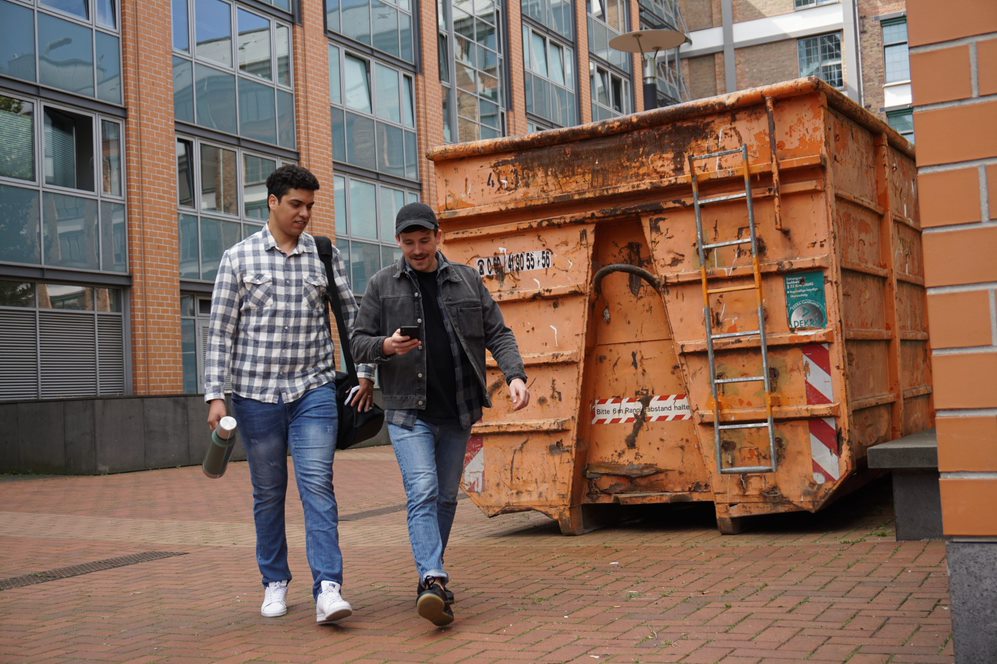
Most of us are familiar with it: The stress factor of commuting to work. Many people currently do without this trouble due to flexible home office solutions but un-der normal circumstances this is often the time-consuming and nerve-wracking part of the working day. Over 45 percent of employees commute to work every day.
15. Mai. | Mobility Insights
Stressfaktor Arbeitsweg: Was derzeit für viele aufgrund flexibler Homeoffice-Lösungen ent-fällt, ist unter normalen Umständen häufig der zeit- und nervenraubende Part des Arbeits-tages. Denn über 45 Prozent der Beschäftigten pendeln täglich zur Arbeit.
12. Mai. | Mobility Insights
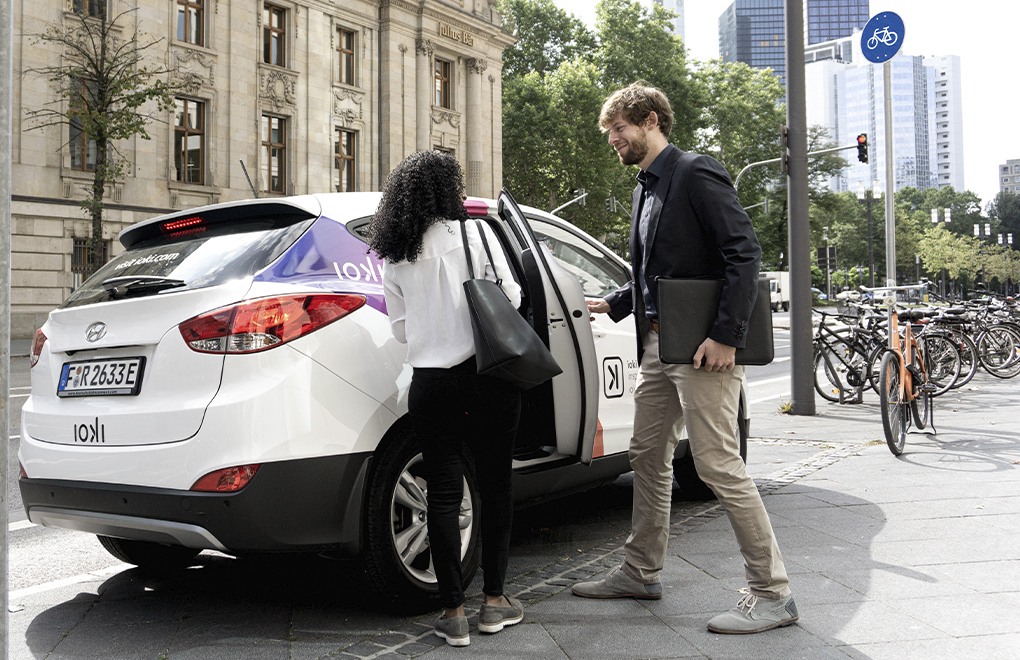
Die Menschen sind häufig online und immer vernetzt, dies nutzen viele Unternehmen für sich. In diesem Zusammenhang steigt auch die Nutzung von Daten als Grundlage für Entscheidungen und es gibt eine zunehmende Rücksichtnahme auf die individuellen Anliegen jedes Einzelnen: Der Konsument rückt mehr und mehr in den Fokus und wird ein wichtiger Teil der Produktgestaltung. Auch Mobilitätsdienstleister müssen und wollen hier mithalten.
12. Mai. | Mobility Insights
People are more often online and more connected than ever – many companies take advantage of this situation. In this context, the usage of data as a basis for decision-making is also increasing and there is a growing consideration for the individual concerns of each and every person: The focus on the consumer is growing steadily and thus becoming an important part when it comes to product design. Inevitabily, mobility service providers have to (and should want to) keep up with this trend.

5. Mai. | Mobility Insights
Stephan Rammler is Professor of Transportation Design & Social Sciences at the University of Fine Arts in Braunschweig and since October 2018 Scientific Director of the IZT – Institute for Future Studies and Technology Assessment. He, is also the founder of the Institute for Transportation Design (ITD) with mobility and futurology as its focal points. He received the 2016 ZEIT Prize „Courage for Sustainability“ for his work on environmentally friendly transportation, in the category Knowledge.
We spoke with Professor Rammler about researching the future, the concept of mobility in general, and current events and their significance for a possible new understanding of mobility.