25. Sep.. | News
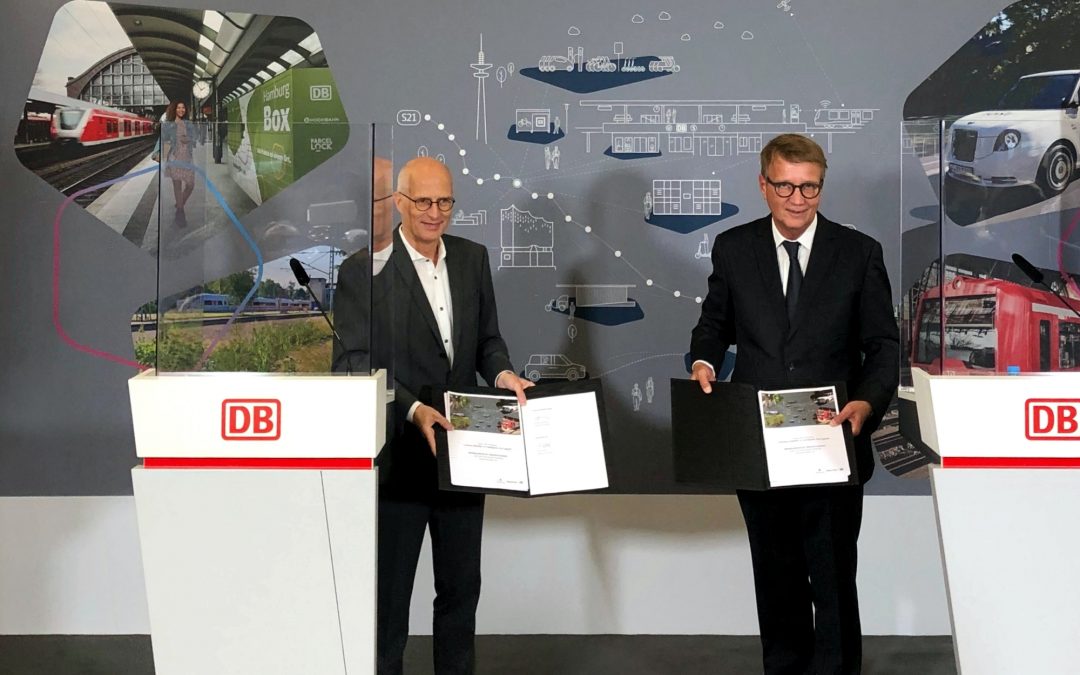
(Hamburg, September 25, 2020) Goal: Attractive stations and efficient local public transport • Digital S-Bahn, shuttle service ioki and Hamburg Box already on the way • Dammtor station as gateway to the ITS World Congress 2021
23. Sep.. | Mobility Insights
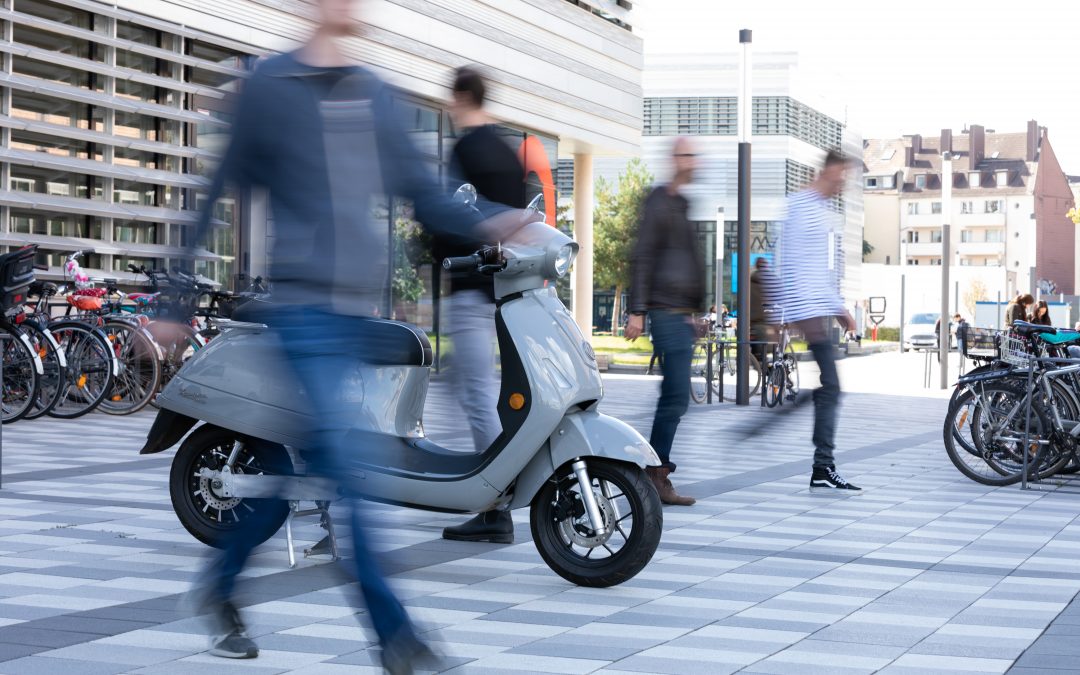
Das Fuhrparkmanagement folgt gesellschaftlichen und ökonomischen Trends: Neue Arbeitsformen, Digitalisierung und der Wertewandel hin zu einem stärkeren Verständnis für Nachhaltigkeit wirken sich auf die Gestaltung betrieblich organisierter Mobilität aus. Doch was bedeutet dieser stetige Wandel der Mobilitätsstrukturen für Unternehmen und wo liegen die Chancen?
23. Sep.. | Mobility Insights
Fleet management follows social and economic trends: New forms of work, digitization and the shift in values towards a greater understanding of sustainability are having an impact on the design of company-organized mobility. But what does this constant change in mobility structures mean for companies and where are the opportunities?
23. Sep.. | Mobility Insights
/ Reading: 3 min. / Green Fleet New point of view Since around 68% of commuters in Germany travel to work by car, companies also have a responsibility to rethink mobility and restructure their existing mobility offerings. The concept of corporate mobility management...
22. Sep.. | ioki Whitepaper
F. Klingenhöfer, Dr. M. Barillère-Scholz
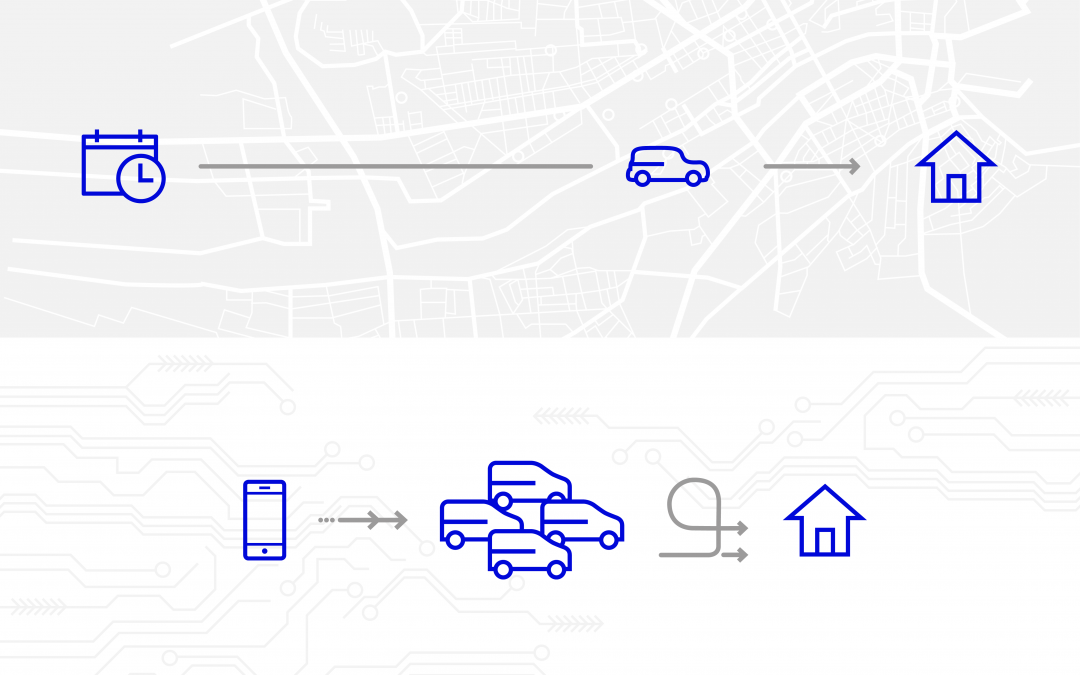
Rural areas are still lagging in terms of sustainable and needs-based mobility solutions. However, digitization is bringing existing concepts of flexible forms of operation such as call-gathering taxis and call-line buses back to life, as they can make a profitable contribution to the traffic turnaround.
22. Sep.. | ioki Whitepaper
F. Klingenhöfer, Dr. M. Barillère-Scholz
Noch immer steht der ländliche Raum in Fragen nachhaltiger und bedarfsgerechter Mobilitätslösungen hinten an. Doch mit der Digitalisierung erwachen bestehende Konzepte flexibler Bedienformen wie Anruf-Sammel-Taxis (AST) und Anruf-Linien-Taxis (ALT) erneut zum Leben, damit sie insgesamt einen gewinnbringenden Beitrag zur Verkehrswende leisten können.

4. Sep.. | Mobility Insights
Die öffentlichen Verkehrsmittel in Wien gehören zur internationalen Spitze. Das Netz ist dicht und der Takt ist eng. Es ist so gut ausgebaut, dass man den Fahrplan faktisch gar nicht kennen muss. Insgesamt werden hier am Tag 2,61 Millionen Menschen mit öffentlichen Verkehrsmitteln von A nach B befördert. Die Beliebtheit lässt sich auch im Modal-Split erkennen, denn: Die ÖPNV-Nutzer haben die Autofahrer überholt. Rund 38 Prozent der Strecken werden mit öffentlichen Verkehrsmitteln zurückgelegt, mit dem Auto „nur noch“ 27 Prozent.2 Doch was macht das imperiale Wien anders als andere Städte?
4. Sep.. | Mobility Insights
Vienna’s public transport system is among the best in the world. The network is dense and the frequency is tight. It is so well developed that you don’t even need to know the timetable. A total of 2.61 million people are transported from A to B by public transport here every day. The popularity can also be seen in the modal split, because: The public transport users have overtaken the car drivers. Around 38 percent of the distances are covered by public transport, while „only“ 27 percent are covered by car. But what makes vienna different from other cities?