15. Jan. | Mobility Insights
The abbreviation AST in German means “Anruf-Sammel-Taxi”, in English “call-collective-taxi” and ALT means “Anruf-Linien-Taxi” – call-line-taxi. Both are demand-oriented special forms of public transport in urban, local or even regional traffic. With a small number of passengers, a large bus in regular service is uneconomical. That’s why there are the AST and ALT services – they are only in operation there is need and demand – “on-demand” in a manner of speaking.

9. Jan. | Mobility Insights
In times of Netflix, Spotify and Co. almost everything is shared instead of owned. It’s not surprising that this trend is not only changing our consumer behaviour but can also influence our mobility habits. Current developments show that, despite the possibility of accompanied driving from the age of 17, young people get their driving license later: In 2012, 4.6 million car driving licences were still being issued, compared with over ten percent fewer in 2017.

4. Dec. | Mobility Insights
The internet has created a digital space of almost unlimited possibilities. Needless to say that this space and all its output should be accessible to everyone, right?
28. Nov. | Mobility Insights
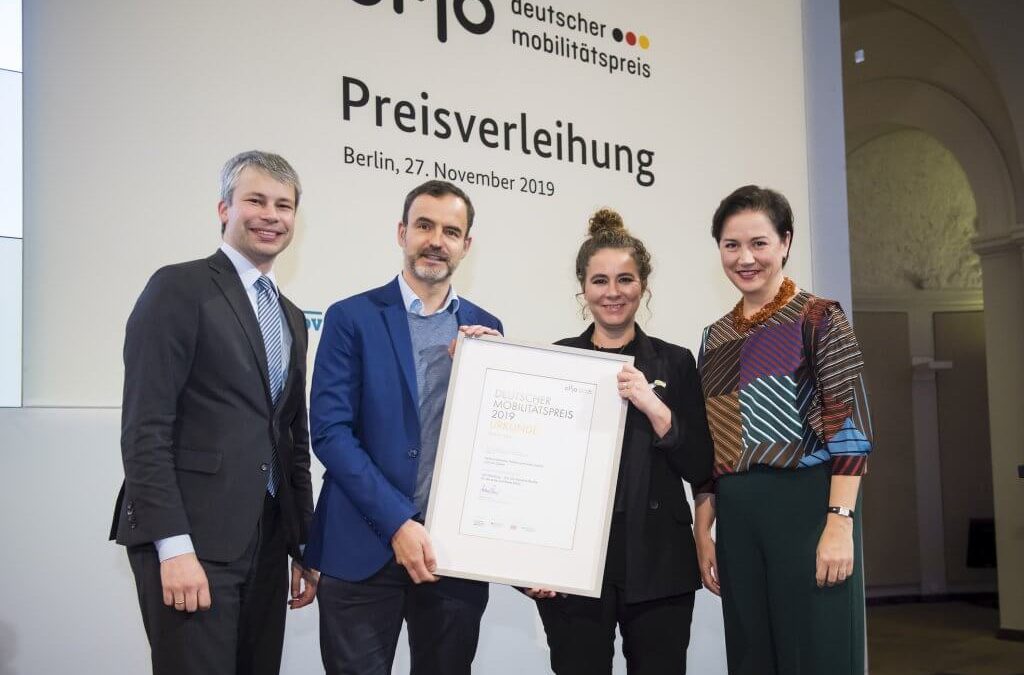
On the last metres 2019 spoils us once again with a very special sense of achievement! With ioki Hamburg, yesterday we officially won the German Mobility Award given by the Federal Initiative “Land der Ideen” and the Federal Ministry of Transport and Digital Infrastructure (BMVI).
27. Nov. | Mobility Insights
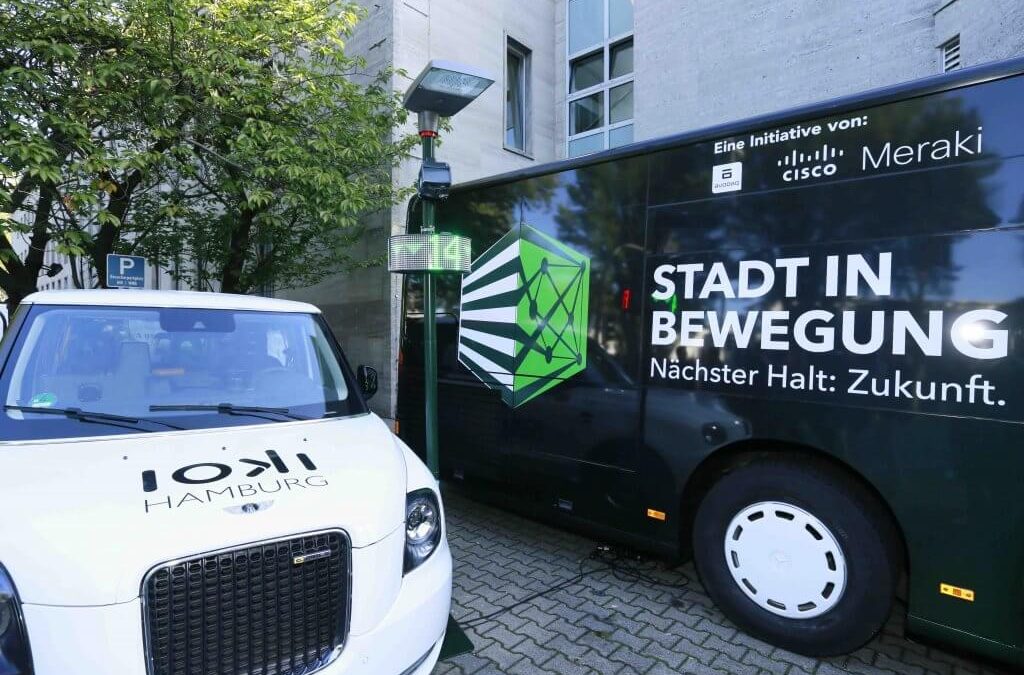
Next stop: Future. Under this premise, the “Stadt in Bewegung” initiative, which is broadly based with Signify, Cisco Meraki, DB Regio Bus, ioki, Cleverciti and avodaq, is working on tailor-made solutions for tomorrow’s cities and municipalities.
19. Nov. | ioki Stories
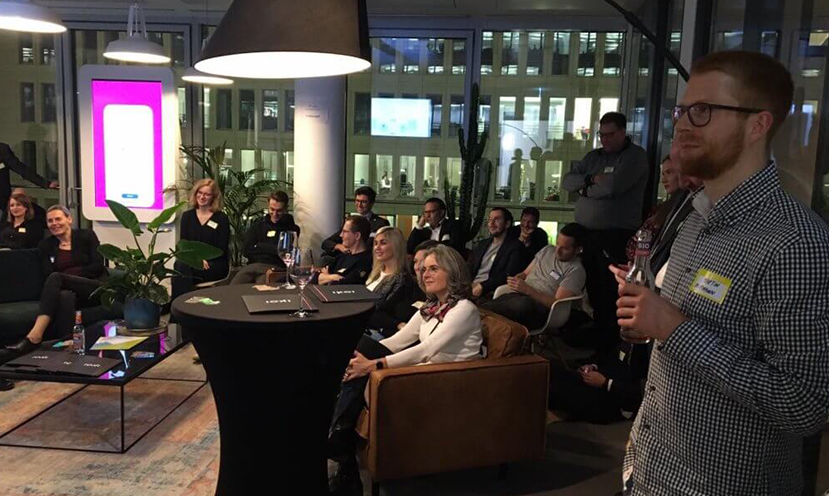
What will mobility look like in the future? What can demand responsive transport do for cities and rural areas? What insights can be derived from a data-based mobility analysis?
6. Nov. | Mobility Insights
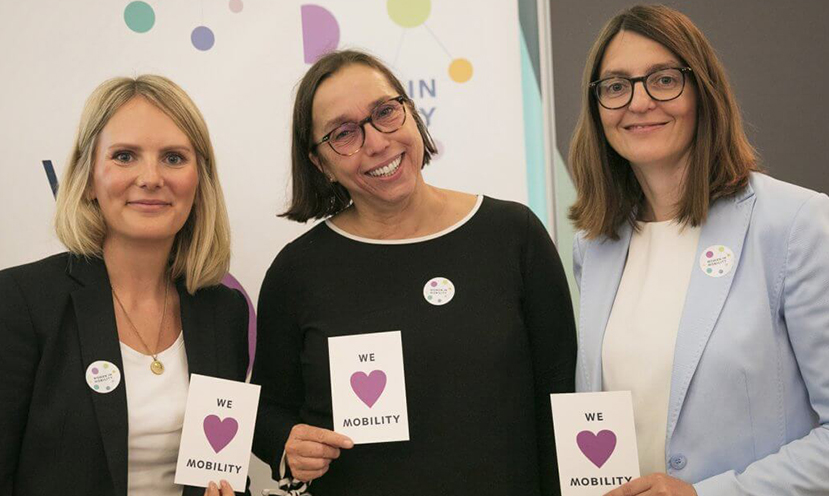
“Whether decision-maker or doctoral student, leader or founder, scientist, student or employee – Women in Mobility offer women from companies and start-ups, organisations and associations, from the media and politics a platform for networking, joint projects, cooperation and exchange.”

30. Oct. | Mobility Insights
Changes often fail because of a fundamental question: Where do I start? The turnaround in mobility is also currently facing precisely this challenge. The question “When does which solution make sense where?” marks inevitably the beginning of every change process, but unfortunately it is also a direct deterrent due to its complexity.
24. Oct. | Mobility Insights
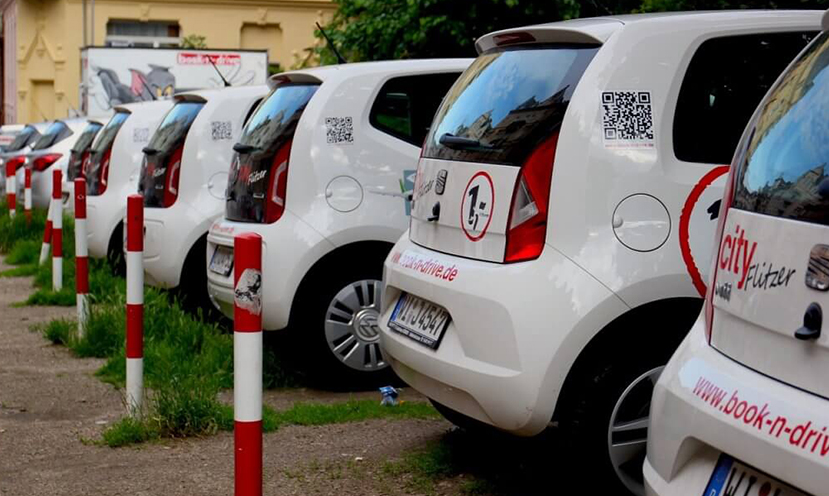
“To receive more by sharing than to give” – Not only with this motto the current campaign “Das ist grün” of Deutsche Bahn hits the nerve of the time. But what does this slogan actually mean? How can a general added value be created through individual renunciation? And is all this really a real deprivation or is it not the exact opposite?